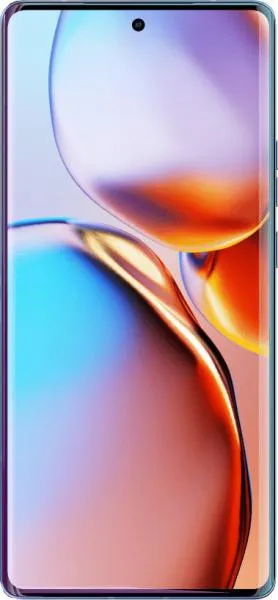
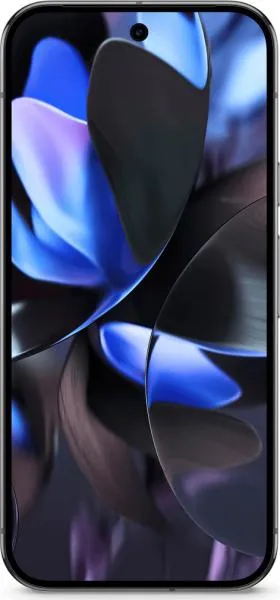
1. Specifications Comparison
| Feature | Motorola Edge 40 Pro | Google Pixel 9 Pro XL | Practical Impact |
|---|---|---|---|
| Design | |||
| Dimensions (mm) | 161.2 x 74 x 8.6 | 162.8 x 76.6 x 8.5 | Pixel 9 Pro XL is slightly larger and wider. |
| Weight (g) | 199 | 221 | Edge 40 Pro is noticeably lighter, more comfortable for extended use. |
| Display | |||
| Display Type | OLED | LTPO OLED | Pixel's LTPO allows for dynamic refresh rate adjustment, saving battery. |
| Size (inches) | 6.67 | 6.8 | Pixel has a slightly larger screen for more immersive content consumption. |
| Resolution | 1080 x 2400 | 1344 x 2992 | Pixel has a significantly sharper display (higher pixel density). |
| Refresh Rate (Hz) | 165 | 120 | Edge 40 Pro offers smoother scrolling and animations, though Pixel's LTPO can dynamically adjust for better battery life. |
| Peak Brightness (nits) | 1300 | 3000 | Pixel's display is much brighter, crucial for outdoor visibility. |
| Performance | |||
| Chipset | Snapdragon 8 Gen 2 | Google Tensor G4 | Both are high-end chipsets, but benchmarks would be needed to compare real-world performance differences. |
| CPU | Octa-core (1x3.2 GHz Cortex-X3...) | Octa-core (1x3.1 GHz Cortex-X4...) | Specific core configurations require in-depth benchmarking for accurate performance comparison. |
| GPU | Adreno 740 | Mali-G715 MC7 | Gaming and graphics-intensive tasks performance differences require further benchmarks. |
| RAM (GB) | 12 | 16 | Pixel has more RAM for better multitasking and app switching performance. |
| Camera | |||
| Main Camera (MP) | 50 (Omnivision OV50A) | 50 (Samsung GN1) | Different sensors; image quality comparison requires real-world sample analysis. Pixel's larger sensor size (1/1.31") suggests better low-light performance. |
| Ultrawide (MP) | 50 | 48 | Megapixel count is similar, but lens quality and field of view will impact practical usage. Pixel combines ultrawide with macro functionality. |
| Telephoto (MP) | 12 | 48 | Pixel offers a higher resolution telephoto and 5x optical zoom compared to 2x on the Edge 40 Pro. |
| DXOMARK Score | 130 | 158 | Pixel scores significantly higher, suggesting superior overall camera quality. |
| Battery | |||
| Capacity (mAh) | 4600 | 5060 | Pixel has a larger battery capacity, potentially leading to longer battery life. |
2. Key Differences Analysis
Motorola Edge 40 Pro Advantages:
- Lighter and more compact: Easier to handle and carry.
- Higher refresh rate display: Smoother animations and scrolling. Potentially better for gaming if GPU performance is comparable.
Google Pixel 9 Pro XL Advantages:
- Sharper and brighter display: More immersive media consumption and better outdoor visibility.
- Larger battery: Potentially longer battery life.
- More RAM: Improved multitasking and smoother performance with demanding apps.
- Significantly higher-rated camera system: Expected to produce better quality photos and videos, particularly in low light and with zoom.
- Longer software support: Android updates guaranteed until at least 2027.
Trade-offs:
- The Edge 40 Pro's higher refresh rate may consume more battery, offsetting the Pixel's larger battery capacity advantage in some use cases.
- The Pixel 9 Pro XL's larger size and weight might be less comfortable for one-handed use.
3. User Profiles & Recommendations
Motorola Edge 40 Pro: Users prioritizing a lightweight, compact phone with a smooth display, potentially mobile gamers sensitive to high refresh rates. Price sensitive users who value a flagship experience.
Google Pixel 9 Pro XL: Users prioritizing camera quality, long battery life, a large, sharp display, and the latest software updates. Users who heavily rely on their phone for photography, videography, or productivity tasks.
4. Decision Framework
Key Questions for Buyers:
- What is your budget? The Pixel 9 Pro XL is likely to be more expensive.
- What are your top priorities? (e.g., Camera, battery life, display quality, size/weight)
- How long do you plan to keep your phone? Pixel's longer software update commitment is a significant factor for long-term use.
My Choice: Google Pixel 9 Pro XL
While the Motorola Edge 40 Pro offers a compelling combination of features and potentially a lower price, the Google Pixel 9 Pro XL is the stronger overall device for my needs. The superior camera system, longer software support, brighter and sharper display, and larger battery are decisive factors. I prioritize image quality, future-proofing through software updates, and a premium viewing experience, making the Pixel 9 Pro XL the better choice despite its larger size and likely higher price. The significantly higher DXOMARK score, larger sensor size on the main camera, and 5x optical zoom solidify this decision for me.
