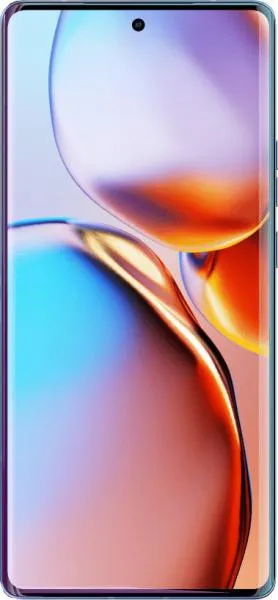
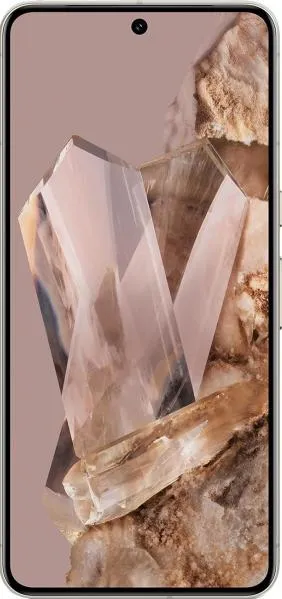
1. Specifications Comparison
| Feature | Motorola Edge 40 Pro | Google Pixel 8 Pro | Practical Impact |
|---|---|---|---|
| Design | |||
| Dimensions (mm) | 161.2 x 74 x 8.6 | 162.6 x 76.5 x 8.8 | Pixel 8 Pro is slightly larger and thicker. |
| Weight (g) | 199 | 213 | Edge 40 Pro is noticeably lighter. |
| Build | Not specified | Not specified | Cannot compare build materials and durability. |
| Display | |||
| Display Type | OLED | LTPO OLED | Pixel 8 Pro's LTPO allows for dynamic refresh rate adjustment, saving battery. |
| Display Size (inches) | 6.67 | 6.7 | Negligible size difference. |
| Resolution | 1080 x 2400 | 1344 x 2992 | Pixel 8 Pro has a significantly sharper display. |
| Refresh Rate (Hz) | 165 | 120 | Edge 40 Pro offers smoother scrolling and animations, though Pixel's LTPO mitigates the difference in some scenarios. |
| Peak Brightness (nits) | 1300 | 2400 | Pixel 8 Pro is much brighter outdoors. |
| Performance | |||
| Chipset | Snapdragon 8 Gen 2 | Google Tensor G3 | Both are high-end chipsets, but benchmarks would be needed for detailed comparison. Tensor G3 is expected to excel in AI tasks. |
| CPU | Octa-core (1x3.2 GHz Cortex-X3 & 2x2.8 GHz Cortex-A715 & 2x2.8 GHz Cortex-A710 & 3x2.0 GHz Cortex-A510) | Nona-core (1x3.0 GHz Cortex-X3 & 4x2.45 GHz Cortex-A715 & 4x2.15 GHz Cortex-A510) | Core configurations differ; real-world performance depends on optimization. |
| GPU | Adreno 740 | Immortalis-G715s MC10 | Gaming performance needs further benchmarking. |
| RAM (GB) | 12 | 12 | Both offer ample RAM for multitasking. |
| Camera | |||
| Main Camera (MP) | 50 | 50 | Resolution is similar; sensor size and processing will determine image quality. |
| Ultrawide (MP) | 50 | 48 | Similar resolution, but Pixel has Macro capability. |
| Telephoto (MP) | 12 | 48 | Pixel 8 Pro offers a higher resolution telephoto lens for better zoom. |
| DXOMARK Score | 130 | 153 | Pixel 8 Pro scores significantly higher, suggesting superior overall camera quality. |
| Battery | |||
| Capacity (mAh) | 4600 | 5050 | Pixel 8 Pro has a larger battery capacity, potentially offering longer battery life. |
2. Key Differences Analysis
Motorola Edge 40 Pro Advantages:
- Lighter and potentially more comfortable to hold.
- Higher refresh rate display for smoother animations (though not always active on Pixel due to LTPO).
Google Pixel 8 Pro Advantages:
- Sharper, brighter display with LTPO for better power efficiency.
- Significantly higher DXOMARK camera score, suggesting better image quality.
- Larger battery capacity for potentially longer battery life.
- Longer software support commitment from Google.
- Tensor G3 chip optimized for AI and machine learning tasks.
Trade-offs:
- Edge 40 Pro: Lower resolution display, smaller battery, potentially shorter software update cycle.
- Pixel 8 Pro: Heavier, potentially more expensive.
3. User Profiles & Recommendations
Motorola Edge 40 Pro: Users prioritizing a lightweight phone with a smooth display and who are sensitive to price. Suitable for general use, gaming, and content consumption.
Google Pixel 8 Pro: Users who value camera quality, long battery life, the latest Android features and updates, and AI-powered features. Suitable for photography enthusiasts, power users, and those who want the best overall Android experience.
4. Decision Framework
Key Questions for Buyers:
- What is your budget? The Pixel 8 Pro is generally more expensive.
- What are your priorities? Camera, battery life, display quality, software updates, or price?
- What is your typical usage? Heavy gaming, photography, general use, or something else?
My Choice: Google Pixel 8 Pro
While the Motorola Edge 40 Pro offers a lighter design and higher refresh rate screen, the Pixel 8 Pro's superior camera, larger battery, sharper display with LTPO, longer software support, and the advantages of the Tensor G3 chip make it a more compelling overall package for me. The higher DXOMARK score, specifically, suggests a significant difference in camera quality, which I prioritize. The LTPO display technology balances power efficiency with smoothness, addressing a key concern with high refresh rate panels. While price is a factor, the Pixel 8 Pro's advantages in key areas justify the potential price premium for my needs.
