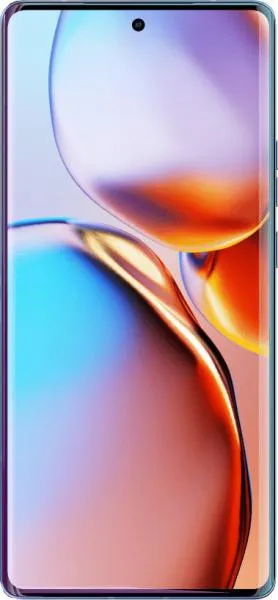
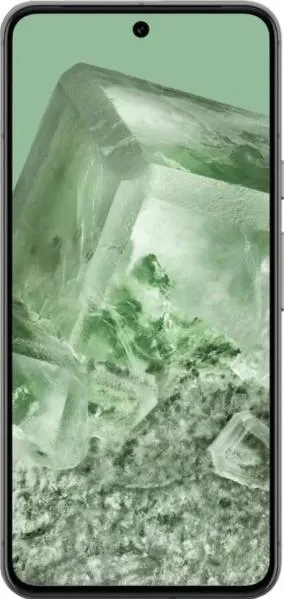
1. Specifications Comparison
| Feature | Motorola Edge 40 Pro | Google Pixel 8 | Practical Impact |
|---|---|---|---|
| Design | |||
| Dimensions (mm) | 161.2 x 74 x 8.6 | 150.5 x 70.8 x 8.9 | Pixel 8 is noticeably smaller and slightly thicker, making it potentially more pocketable. |
| Weight (g) | 199 | 187 | Pixel 8 is lighter, reducing hand fatigue during extended use. |
| Build Material | Missing | Missing | Cannot compare build quality and durability. |
| Display | |||
| Size (inches) | 6.67 | 6.2 | Edge 40 Pro offers a larger screen for more immersive media consumption. |
| Resolution | 1080 x 2400 | 1080 x 2400 | Same resolution, but Pixel 8 has higher pixel density due to smaller size, resulting in sharper text and images. |
| Refresh Rate (Hz) | 165 | 120 | Edge 40 Pro's higher refresh rate provides smoother scrolling and animations. |
| Peak Brightness (nits) | 1300 | 2000 | Pixel 8's significantly higher peak brightness ensures better visibility in direct sunlight. |
| Display Type | OLED | OLED | Both offer vibrant colors and deep blacks. |
| Performance | |||
| Chipset | Snapdragon 8 Gen 2 | Google Tensor G3 | Snapdragon 8 Gen 2 generally benchmarks higher in raw performance, but Tensor G3 excels in AI and machine learning tasks. |
| CPU | Octa-core (1x3.2 GHz Cortex-X3 & 2x2.8 GHz Cortex-A715 & 2x2.8 GHz Cortex-A710 & 3x2.0 GHz Cortex-A510) | Nona-core (1x3.0 GHz Cortex-X3 & 4x2.45 GHz Cortex-A715 & 4x2.15 GHz Cortex-A510) | Both offer high-end performance, but architectural differences might favor specific workloads. Real-world performance differences might be minimal for average users. |
| RAM (GB) | 12 | 8 | Edge 40 Pro's higher RAM allows for more efficient multitasking and smoother performance with demanding applications. |
| Camera | |||
| Main Camera (MP) | 50 | 50 | Similar resolution, but sensor size and processing will significantly impact image quality. Pixel's computational photography is renowned. |
| Ultrawide (MP) | 50 | 12 | Edge has a much higher resolution ultrawide, capturing more detail. |
| Telephoto (MP) | 12 | None | Edge 40 Pro offers optical zoom capabilities, missing on the Pixel 8. |
| DXOMARK Score | 130 | 148 | Pixel 8 scores significantly higher, suggesting superior overall camera performance according to DXOMARK's testing. |
| Battery | |||
| Capacity (mAh) | 4600 | 4575 | Negligible difference in battery capacity. Real-world battery life depends on usage and optimization. |
2. Key Differences Analysis
Motorola Edge 40 Pro Advantages:
- Larger, higher refresh rate display: More immersive for media consumption and gaming.
- Higher RAM: Better multitasking and performance with demanding apps.
- Dedicated telephoto lens: Optical zoom capability for versatile photography.
- Potentially higher peak performance: Due to Snapdragon 8 Gen 2.
Google Pixel 8 Advantages:
- Smaller and lighter: Enhanced portability and one-handed usability.
- Brighter display: Superior outdoor visibility.
- Higher DXOMARK camera score: Potentially better overall camera performance, especially due to Google's computational photography.
- Lower price: Offers excellent value for its features.
- Longer Software Support: Pixel phones typically receive longer OS and security updates.
Trade-offs:
- Edge 40 Pro: Larger size might not be ideal for everyone. Higher price.
- Pixel 8: Lacks a dedicated telephoto lens. Lower RAM might impact performance in the long run.
3. User Profiles & Recommendations
Motorola Edge 40 Pro: Users prioritizing a large, high refresh rate display, top-tier performance, versatile camera system with optical zoom, and don't mind the higher price. Ideal for:
- Mobile gamers: Smooth performance and large display.
- Power users: Demanding tasks and multitasking.
- Photography enthusiasts: Versatility offered by the triple camera system.
Google Pixel 8: Users prioritizing a compact and lightweight phone with excellent camera quality, clean Android experience, long software support, and value for their money. Ideal for:
- Everyday users: Reliable performance and great camera.
- One-handed phone users: Compact form factor.
- Software update enthusiasts: Guaranteed long-term support.
4. Decision Framework
Key Questions:
- What screen size do you prefer? Larger for media consumption or smaller for portability?
- How important is camera quality and zoom capability?
- What's your budget? Is the higher price of the Edge 40 Pro justified for your needs?
My Choice: Google Pixel 8
While the Motorola Edge 40 Pro boasts impressive specifications, the Google Pixel 8 offers a more compelling overall package for my needs. I prioritize a compact and lightweight phone with a great camera, clean software, and long-term updates. The Pixel 8 excels in these areas while also offering excellent performance for everyday tasks. The significantly brighter display is a major advantage for outdoor use. While the lack of a telephoto lens is a drawback, the overall camera quality and Google's computational photography make up for it in most scenarios. Finally, the lower price point makes the Pixel 8 an exceptional value proposition. The longer software support ensures the phone will remain secure and up-to-date for years to come, which is a crucial factor for me.
