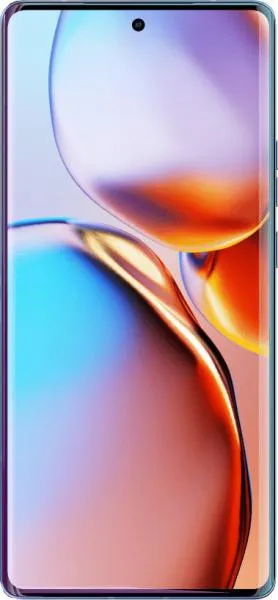
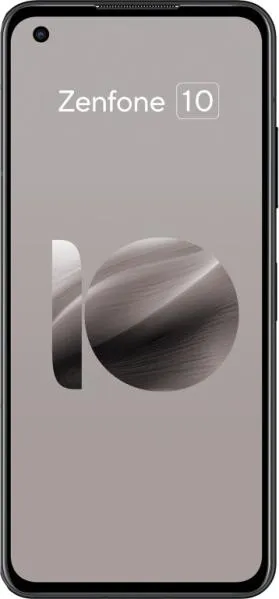
1. Specifications Comparison
| Feature | Motorola Edge 40 Pro | Asus Zenfone 10 | Practical Impact |
|---|---|---|---|
| Design | |||
| Dimensions (mm) | 161.2 x 74 x 8.6 | 146.5 x 68.1 x 9.4 | Zenfone 10 significantly smaller and more pocketable. Edge 40 Pro is taller and wider. |
| Weight (g) | 199 | 172 | Zenfone 10 noticeably lighter for one-handed use. |
| Fingerprint Sensor | Under Display | Side-mounted | Personal preference, both reliable. Side-mounted can be faster to access. |
| Display | |||
| Size (inches) | 6.67 | 5.92 | Edge 40 Pro provides more screen real estate for media consumption. Zenfone 10 better for one-handed use. |
| Resolution | 1080 x 2400 | 1080 x 2400 | Identical resolution, but Zenfone 10 has higher pixel density (sharper image) due to smaller screen size. |
| Refresh Rate (Hz) | 165 | 144 | Both offer smooth scrolling and gaming, but Edge 40 Pro slightly smoother. Difference may not be noticeable to all users. |
| Display Type | OLED | AMOLED | Both offer vibrant colors and deep blacks. |
| Peak Brightness (nits) | 1300 | 1100 | Edge 40 Pro potentially brighter in direct sunlight. |
| Performance | |||
| Chipset | Snapdragon 8 Gen 2 | Snapdragon 8 Gen 2 | Identical performance expected in most tasks. |
| CPU | Octa-core (1x3.2 GHz Cortex-X3 & 2x2.8 GHz Cortex-A715 & 2x2.8 GHz Cortex-A710 & 3x2.0 GHz Cortex-A510) | Octa-core (1x3.2 GHz Cortex-X3 & 2x2.8 GHz Cortex-A715 & 2x2.8 GHz Cortex-A710 & 3x2.0 GHz Cortex-A510) | Identical CPU configurations. |
| GPU | Adreno 740 | Adreno 740 | Identical GPU performance. |
| RAM (GB) | 12 | 8/16 | Edge 40 Pro's 12GB RAM allows for more apps to be kept in memory, improving multitasking. Zenfone 10 offers options with 8GB or 16GB RAM. |
| Camera | |||
| Main Camera (MP) | 50 (Omnivision OV50A) | 50 (Sony IMX766) | Both high-resolution sensors. IMX766 generally regarded as superior due to larger sensor size, potentially better low-light performance. |
| Ultrawide (MP) | 50 | 13 | Significant difference in resolution. Edge 40 Pro offers much higher resolution ultrawide photos. |
| Telephoto (MP) | 12 (Sony IMX663) | None | Edge 40 Pro offers optical zoom capability, absent in the Zenfone 10. |
| Video | 8K@30fps, 4K@60fps | 8K@24fps, 4K@60fps | Both can record high-resolution video. Edge 40 Pro offers slightly higher frame rate options for slow-motion. |
| Battery | |||
| Capacity (mAh) | 4600 | 4300 | Edge 40 Pro has a slightly larger battery, potentially offering longer battery life. Real-world usage varies greatly. |
| Charging Speed | Not specified | Not specified | Cannot compare charging speeds without specific data. |
2. Key Differences Analysis
Motorola Edge 40 Pro Advantages:
- Larger Display: More immersive for media consumption and multitasking.
- Higher Resolution Ultrawide Camera: Significantly better ultrawide photos.
- Telephoto Lens: Offers optical zoom for versatility.
- Slightly Larger Battery: Potentially longer battery life.
- Higher RAM: Better multitasking performance.
Asus Zenfone 10 Advantages:
- Smaller and Lighter: Significantly more compact and easier to handle.
- Higher Pixel Density: Sharper display.
- Potentially Better Main Camera Sensor: Sony IMX766 often performs better, particularly in low light.
- Lower Price: Offers flagship-level performance at a more affordable price.
3. User Profiles & Recommendations
Motorola Edge 40 Pro: Ideal for users who prioritize a large, immersive display, versatile camera system with optical zoom, and top-tier performance for demanding tasks and multitasking. Suitable for media consumption, gaming, and productivity.
Asus Zenfone 10: Ideal for users who value a compact and lightweight phone that is easy to use with one hand, without sacrificing flagship-level performance. Excellent for users who prioritize portability and a premium feel. Suitable for everyday use, photography enthusiasts who value main camera quality, and those seeking a more affordable flagship.
4. Decision Framework
Key Questions for Buyers:
- How important is phone size and one-handed usability?
- Do you prioritize a versatile camera system with a telephoto lens, or is a high-quality main camera sufficient?
- What is your budget and how important is the price-to-performance ratio?
Scenario-Based Recommendations:
- User who wants the best camera: Motorola Edge 40 Pro for its versatile camera system with a telephoto lens and high-resolution ultrawide.
- User who wants the most compact phone: Asus Zenfone 10 for its significantly smaller size and lighter weight.
- User on a budget: Asus Zenfone 10 provides flagship performance at a lower price.
My Choice: Asus Zenfone 10
While the Motorola Edge 40 Pro offers a compelling package, I would choose the Asus Zenfone 10. My primary reason is its compact size and lighter weight. I value one-handed usability and pocketability highly. The Zenfone 10 doesn't compromise much on performance, featuring the same powerful Snapdragon 8 Gen 2 chip. While the ultrawide camera is a downgrade, the main camera sensor on the Zenfone 10 is arguably superior, and I prioritize main camera quality over ultrawide resolution. The lower price further solidifies the Zenfone 10 as the better value proposition for my needs. The slightly smaller battery is a trade-off I'm willing to make for the significant improvement in ergonomics.
