1. Specifications Comparison
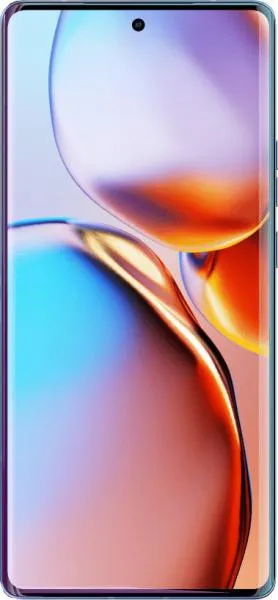
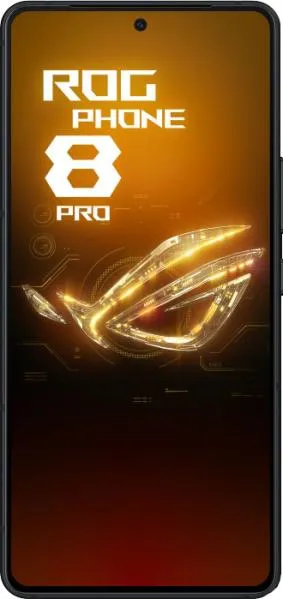
| Feature | Motorola Edge 40 Pro | Asus ROG Phone 8 Pro | Practical Impact |
|---|---|---|---|
| Design | |||
| Dimensions (mm) | 161.2 x 74 x 8.6 | 163.8 x 76.8 x 8.9 | ROG Phone 8 Pro is slightly larger and thicker. |
| Weight (g) | 199 | 225 | Edge 40 Pro is noticeably lighter, more comfortable for one-handed use. |
| Display | |||
| Size (inches) | 6.67 | 6.78 | Negligible difference in screen real estate. |
| Resolution | 1080 x 2400 | 1080 x 2400 | Identical resolution, sharpness comparable. |
| Panel Type | OLED | LTPO AMOLED | ROG Phone 8 Pro's LTPO panel allows for dynamic refresh rate, potentially saving battery. |
| Refresh Rate (Hz) | 165 | 165 | Both offer smooth scrolling and gaming experiences. |
| Peak Brightness (nits) | 1300 | 2500 | ROG Phone 8 Pro significantly brighter, crucial for outdoor visibility. |
| Performance | |||
| Chipset | Snapdragon 8 Gen 2 | Snapdragon 8 Gen 3 | ROG Phone 8 Pro has a newer, more powerful processor, leading to better performance in demanding tasks and gaming. |
| CPU | Octa-core (up to 3.2 GHz) | Octa-core (up to 3.3 GHz) | ROG Phone 8 Pro has a slight CPU clock speed advantage. |
| GPU | Adreno 740 | Adreno 750 | ROG Phone 8 Pro's GPU provides a performance boost for gaming and graphically intensive applications. |
| RAM (GB) | 12 | 16/24 | ROG Phone 8 Pro offers more RAM, enabling better multitasking and smoother performance with many apps open. |
| Storage (GB) | 256/512 | 512/1000 | ROG Phone 8 Pro offers significantly more storage in its higher-end configuration. |
| Camera | |||
| Main Camera (MP) | 50 | 50 | Comparable main camera resolution. Sensor model differences may impact image quality, but details are insufficient for in-depth analysis. |
| Ultrawide (MP) | 50 | 13 | Edge 40 Pro boasts a higher resolution ultrawide, potentially capturing more detail. ROG Phone 8 Pro combines ultrawide with macro functionality, offering versatility. |
| Telephoto (MP) | 12 | 32 | ROG Phone 8 Pro has a much higher resolution telephoto lens, enabling better zoom capabilities. |
| Video Recording | Up to 8K@30fps | Up to 8K@24fps | Both offer high-resolution video recording. Edge 40 Pro offers slightly higher frame rates at 8K. |
| Battery | |||
| Capacity (mAh) | 4600 | 6000 | ROG Phone 8 Pro has a significantly larger battery, likely translating to longer battery life. |
2. Key Differences Analysis
Motorola Edge 40 Pro Advantages:
- Lighter and More Compact: More comfortable for everyday use and one-handed operation.
- Higher Resolution Ultrawide Camera: Potentially better detail and wider field of view.
- Slightly Faster 8K Video Recording: 30fps vs 24fps on the ROG Phone 8 Pro.
- Dolby Vision Support: Enhanced HDR video playback experience.
Asus ROG Phone 8 Pro Advantages:
- More Powerful Performance: Newer generation chipset and GPU for smoother gaming and demanding tasks.
- Larger Battery: Significantly longer battery life.
- Higher Peak Brightness: Better outdoor visibility.
- Significantly More Storage: 1TB option available for power users.
- LTPO Display: Dynamic refresh rate for improved power efficiency.
- Higher Resolution Telephoto Lens: Superior zoom capabilities.
3. User Profiles & Recommendations
Motorola Edge 40 Pro: Users prioritizing a lightweight, compact phone with a good camera and display. Suitable for everyday use, social media, and light gaming.
Asus ROG Phone 8 Pro: Power users, gamers, and those who demand top-tier performance and long battery life. Ideal for heavy multitasking, demanding applications, and extended use without charging.
4. Decision Framework
Key Questions for Buyers:
- What is your budget? The ROG Phone 8 Pro is generally more expensive.
- What are your primary use cases? Gaming and heavy usage favor the ROG Phone 8 Pro, while everyday tasks and portability favor the Edge 40 Pro.
- How important is battery life? The ROG Phone 8 Pro offers significantly longer battery life.
My Choice: Asus ROG Phone 8 Pro
While the Motorola Edge 40 Pro offers a compelling combination of features in a lighter package, the Asus ROG Phone 8 Pro is the clear winner for me. The significantly improved performance, larger battery, brighter display, and vastly increased storage are major advantages. The higher resolution telephoto lens also addresses a key weakness in many smartphones. While it's heavier and more expensive, the overall user experience offered by the ROG Phone 8 Pro, especially for demanding tasks and extended use, justifies the trade-offs. The LTPO display is also a valuable addition for balancing performance and battery life. As someone who values performance, future-proofing, and long battery life, the ROG Phone 8 Pro aligns better with my needs.
