1. Specifications Comparison
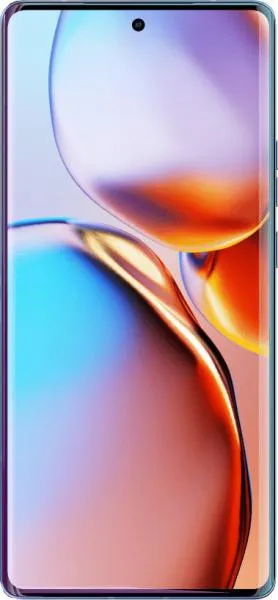
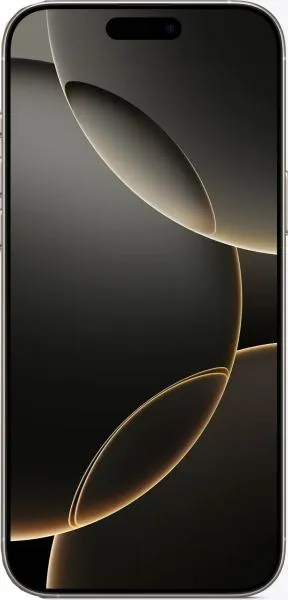
| Feature | Motorola Edge 40 Pro | Apple iPhone 16 Pro Max | Practical Impact |
|---|---|---|---|
| Design | |||
| Dimensions (mm) | 161.2 x 74 x 8.6 | 163 x 77.6 x 8.3 | iPhone 16 Pro Max is slightly larger and thicker. |
| Weight (g) | 199 | 227 | Edge 40 Pro is noticeably lighter, improving one-handed use. |
| Build | Not specified | Not specified | Build materials impact durability and premium feel; information lacking here. |
| Display | |||
| Size (inches) | 6.67 | 6.9 | iPhone has a larger screen for more immersive content consumption. |
| Resolution | 1080 x 2400 | 1320 x 2868 | iPhone has a sharper display with higher pixel density (460 vs 394 PPI), resulting in clearer text and images. |
| Type | OLED, 165Hz | LTPO OLED, 120Hz | Both are OLED with excellent color and contrast. iPhone's LTPO allows for variable refresh rate, saving battery. Motorola's higher refresh rate provides smoother scrolling and animations. |
| Peak Brightness | 1300 nits | 2000 nits | iPhone's significantly higher peak brightness ensures better visibility outdoors. |
| Performance | |||
| Chipset | Snapdragon 8 Gen 2 | Apple A18 Pro | Both are top-tier chipsets, promising excellent performance. Apple's A18 Pro, being newer and built on a smaller process node (3nm vs 4nm), is likely to offer better performance and efficiency. |
| CPU | Octa-core (1x3.2 GHz Cortex-X3 & 2x2.8 GHz Cortex-A715 & 2x2.8 GHz Cortex-A710 & 3x2.0 GHz Cortex-A510) | Hexa-core (2x4.05 GHz + 4x2.42 GHz) | Both CPUs are powerful, but architectural differences make direct comparison difficult without benchmarks. |
| GPU | Adreno 740 | Apple GPU (6-core) | Apple's GPUs are generally considered market-leading in performance; real-world gaming and graphics intensive task comparison needed. |
| RAM | 12GB | 8GB | Motorola has more RAM, potentially benefiting multitasking, although iOS's memory management is highly optimized. |
| Camera | |||
| Rear Camera | 50MP Main, 50MP Wide, 12MP Telephoto | 48MP Main, 48MP Wide, 12MP Telephoto, ToF 3D | Both have triple camera systems with similar resolutions. iPhone adds a ToF sensor for improved depth sensing in AR applications and portrait mode. Specific sensor models and lens quality will impact image quality, detailed comparison not possible with this data. |
| DxOMark Score | 130 | 157 | iPhone 16 Pro Max scores significantly higher in DxOMark, suggesting superior overall camera performance. However, real-world image comparison is crucial. |
| Video | 8K@30fps, 4K@60fps | 4K@120fps, Dolby Vision | Both offer high-resolution video recording. iPhone supports higher frame rates at 4K for smoother slow-motion. |
| Battery | |||
| Capacity (mAh) | 4600 | 4685 | Very similar battery capacities. Real-world battery life depends on optimization and usage patterns. |
2. Key Differences Analysis
Motorola Edge 40 Pro Advantages:
- Lighter Weight: Noticeably more comfortable for extended use and one-handed operation.
- Higher Refresh Rate Display: Smoother scrolling and animations.
- More RAM: Potentially benefits multitasking, though iOS optimization might mitigate this.
Apple iPhone 16 Pro Max Advantages:
- Sharper Display: Higher resolution and pixel density for crisper visuals.
- Brighter Display: Superior outdoor visibility.
- More Powerful Chipset: Likely to deliver superior performance and efficiency.
- Higher DxOMark Camera Score: Suggests better overall camera quality.
- Higher Frame Rate Video Recording: Smoother slow-motion capture at 4K.
- LTPO Display: Dynamic refresh rate for better battery optimization.
3. User Profiles & Recommendations
Motorola Edge 40 Pro: Users prioritizing a lighter phone, smooth display, and a more affordable price within the high-end range.
Apple iPhone 16 Pro Max: Users prioritizing performance, camera quality, display brightness, and a seamless integration within the Apple ecosystem. Suitable for demanding tasks like gaming, video editing, and professional photography.
4. Decision Framework
Key Questions for Buyers:
- Operating System Preference: iOS or Android?
- Prioritization of Features: Performance, camera, display, or battery life?
- Budget: Is the price premium for the iPhone 16 Pro Max justified for your needs?
Scenario-Based Recommendations:
- Gamer: iPhone 16 Pro Max for its superior performance.
- Photographer/Videographer: iPhone 16 Pro Max for its higher-rated camera and advanced video features.
- Casual User: Motorola Edge 40 Pro might offer sufficient performance at a potentially lower price.
My Choice: Apple iPhone 16 Pro Max
While the Motorola Edge 40 Pro offers a compelling package with its lighter weight and higher refresh rate display, the iPhone 16 Pro Max's superior performance (A18 Pro chip), brighter and sharper display, higher-rated camera system, and the advantages of the iOS ecosystem make it the better overall choice for me. The slightly heavier weight is a trade-off I'm willing to accept for the significant gains in other areas. The iPhone's LTPO display, although having a lower refresh rate, contributes to better battery life in the long run. Additionally, the more mature and consistent software updates in the Apple ecosystem are a significant factor in my decision.
