1. Specifications Comparison
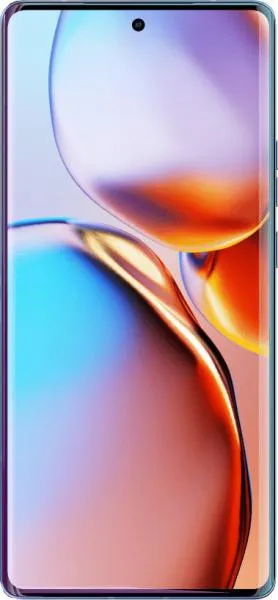
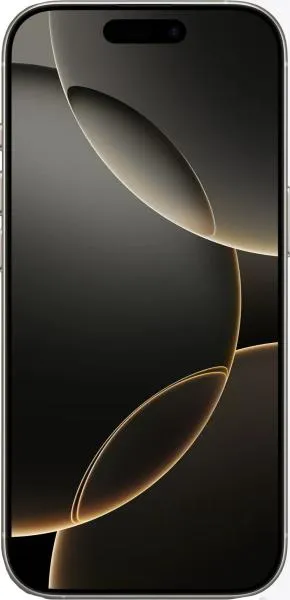
| Feature | Motorola Edge 40 Pro | Apple iPhone 16 Pro | Practical Impact |
|---|---|---|---|
| Design | |||
| Dimensions (mm) | 161.2 x 74 x 8.6 | 149.6 x 71.5 x 8.3 | iPhone 16 Pro is noticeably smaller and potentially easier to handle one-handed. |
| Weight (g) | 199 | 199 | Identical weight, despite size difference. |
| Build Material | Not specified | Not specified | Cannot compare build quality and durability without material information. |
| Display | |||
| Display Size (inches) | 6.67 | 6.3 | Larger display on the Motorola offers more immersive content consumption but might be less pocketable. |
| Resolution (px) | 1080 x 2400 | 1206 x 2622 | Higher resolution and pixel density on the iPhone result in sharper text and images. |
| Display Type | OLED, 165Hz | LTPO OLED, 120Hz | Both are OLED with high refresh rates. Motorola's 165Hz might offer slightly smoother scrolling, while iPhone's LTPO allows for dynamic refresh rate adjustment, potentially saving battery. |
| Peak Brightness (nits) | 1300 | 2000 | Significantly higher peak brightness on the iPhone ensures better visibility in direct sunlight. |
| Performance | |||
| Chipset | Snapdragon 8 Gen 2 | Apple A18 Pro | Both are flagship chipsets promising top-tier performance. Real-world differences likely minimal for average users but might favor A18 Pro for demanding tasks. Cross-platform benchmarks needed for objective comparison. |
| RAM (GB) | 12 | 8 | More RAM on Motorola could potentially allow for better multitasking, though iOS's memory management might offset this difference. |
| OS | Android 13 | iOS 18 | Different operating systems cater to different preferences and ecosystems. |
| Camera | |||
| Main Camera (MP) | 50 | 48 | Megapixel count doesn't tell the whole story. Image quality depends on sensor size, aperture, and processing. |
| Ultrawide (MP) | 50 | 48 | Similar specifications; practical differences would depend on real-world testing. |
| Telephoto (MP) | 12 | 12 | Similar specifications; iPhone specifies 5x optical zoom, while Motorola doesn't specify zoom level. Need more data for comparison. |
| Video Recording | Up to 8K@30fps | Up to 4K@120fps | Motorola offers higher resolution video recording, while iPhone offers higher frame rates at 4K. |
| Battery | |||
| Capacity (mAh) | 4600 | 3582 | Significantly larger battery in the Motorola suggests longer battery life. Real-world usage will vary. |
2. Key Differences Analysis
Motorola Edge 40 Pro Advantages:
- Larger Display: More immersive media consumption.
- Higher Refresh Rate: Potentially smoother scrolling and animations.
- Larger Battery: Potentially longer battery life.
- More RAM: Potentially better multitasking.
Apple iPhone 16 Pro Advantages:
- Smaller and More Compact: Easier one-handed use.
- Higher Resolution Display: Sharper visuals.
- Brighter Display: Better outdoor visibility.
- Potentially More Powerful Chipset (A18 Pro): Could be advantageous for demanding tasks, pending benchmarks.
- Higher Frame Rate Video Recording at 4K: Smoother slow-motion video.
3. User Profiles & Recommendations
Motorola Edge 40 Pro: Users prioritizing larger screen size, longer battery life, and a customizable Android experience. Suitable for media consumption, gaming, and multitasking.
Apple iPhone 16 Pro: Users prioritizing a compact design, premium display quality, a seamless iOS experience, and high-quality video recording. Suitable for users heavily invested in the Apple ecosystem and those who value portability and performance.
4. Decision Framework
Key Questions for Buyers:
- What screen size and form factor do you prefer? Larger for media consumption or smaller for one-handed use?
- Which operating system (OS) are you more comfortable with? Android or iOS?
- What is your budget and how important is battery life? Motorola offers potentially longer battery life at a potentially lower price.
My Choice: Apple iPhone 16 Pro
While the Motorola Edge 40 Pro boasts impressive specifications like a larger battery and higher refresh rate display, I would choose the Apple iPhone 16 Pro. My reasoning stems from a preference for the iOS ecosystem, the iPhone's compact form factor, and its superior display quality (higher resolution and brightness). The A18 Pro chip also promises top-tier performance, although real-world comparisons are needed. While battery life is a concern, advancements in Apple's chip efficiency and iOS optimization could mitigate the smaller battery capacity. Ultimately, the iPhone 16 Pro's combination of performance, portability, and a refined user experience aligns better with my personal priorities.
