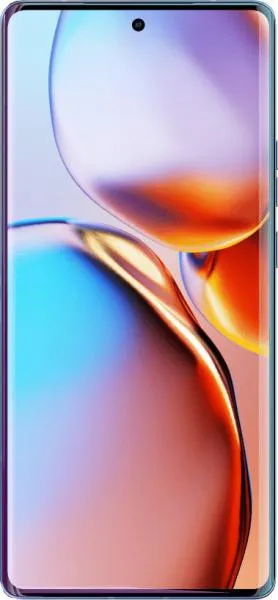
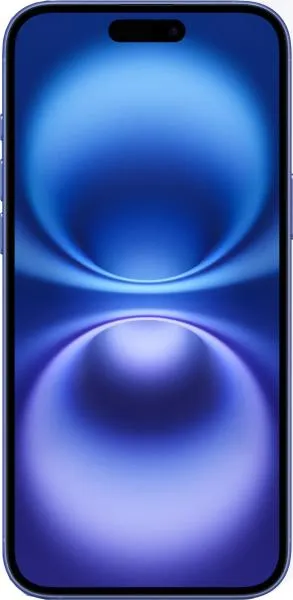
1. Specifications Comparison
| Feature | Motorola Edge 40 Pro | Apple iPhone 16 Plus | Practical Impact |
|---|---|---|---|
| Design | |||
| Dimensions (mm) | 161.2 x 74 x 8.6 | 160.9 x 77.8 x 7.8 | iPhone 16 Plus is slightly shorter and wider, but thinner. Negligible difference in hand feel. |
| Weight (g) | 199 | 227 | Virtually identical weight, minimal difference in usage. |
| Display | |||
| Display Type | OLED | OLED | Both offer excellent contrast and deep blacks. |
| Display Size (inches) | 6.67 | 6.7 | Negligible size difference. |
| Resolution | 1080 x 2400 | 1290 x 2796 | iPhone has a sharper display with higher pixel density (460 ppi vs 394 ppi), resulting in crisper text and images. |
| Refresh Rate | 165Hz | Not specified | Higher refresh rate on the Motorola provides smoother scrolling and animations. Lack of information for the iPhone prevents direct comparison. |
| Peak Brightness (nits) | 1300 | 2000 | iPhone 16 Plus can get significantly brighter, improving outdoor visibility. |
| Performance | |||
| Chipset | Snapdragon 8 Gen 2 | A18 Bionic | Both are flagship chipsets, expecting top-tier performance. Cross-platform comparisons are difficult without benchmarks. |
| CPU | Octa-core (1x3.2 GHz Cortex-X3 & 2x2.8 GHz Cortex-A715 & 2x2.8 GHz Cortex-A710 & 3x2.0 GHz Cortex-A510) | Hexa-core (2x4.04 GHz + 4x2.20 GHz) | Both CPUs are high-performance, but architectural differences make direct comparison challenging. Real-world performance depends on optimization. |
| GPU | Adreno 740 | Apple GPU (5-core) | Both are powerful GPUs; gaming performance likely excellent on both. Cross-platform comparison difficult without benchmarks. |
| RAM | 12GB | 8GB | Motorola has more RAM, potentially better for multitasking and keeping apps in memory. iOS memory management differs from Android, so direct comparison is limited. |
| Camera | |||
| Main Camera (MP) | 50 | 48 | Megapixel count doesn't tell the whole story; image quality depends on sensor size, processing, and other factors. |
| Ultrawide (MP) | 50 | 12 | Motorola has a significantly higher resolution ultrawide camera. |
| Telephoto (MP) | 12 | Unspecified | Motorola offers a dedicated telephoto lens; unclear if iPhone 16 Plus has one. |
| Video | 8K@30fps, 4K@60fps | 4K@60fps | Motorola offers 8K video recording, but 4K at 60fps is likely sufficient for most users. |
| Battery | |||
| Capacity (mAh) | 4600 | 4352 | Very similar battery capacities, expected similar battery life. Real-world usage will vary. |
2. Key Differences Analysis
Motorola Edge 40 Pro Advantages:
- Higher Refresh Rate Display: Smoother user experience for scrolling and gaming.
- More RAM: Potentially better multitasking.
- Higher Resolution Ultrawide Camera: More detailed ultrawide photos.
- 8K Video Recording: Future-proofing, although large file sizes may be a concern.
Apple iPhone 16 Plus Advantages:
- Sharper Display: Crisper text and images due to higher pixel density.
- Brighter Display: Improved outdoor visibility.
- Potentially better Performance: A18 Bionic chip is expected to be very powerful, though direct comparison is difficult. iOS optimization could result in superior real-world performance.
3. User Profiles & Recommendations
Motorola Edge 40 Pro: Users who prioritize a smooth display experience, heavy multitaskers, and those who want high-resolution ultrawide photos and 8K video recording. Gamers may also prefer the higher refresh rate.
Apple iPhone 16 Plus: Users who value a sharp, bright display, prefer the iOS ecosystem, and prioritize overall performance. Users seeking a larger screen size within the Apple ecosystem would find this appealing.
4. Decision Framework
Key Questions for Buyers:
- Which operating system do you prefer? Android or iOS?
- Is display smoothness or sharpness more important? 165Hz vs. higher resolution.
- What is your budget? Consider the price difference and features offered.
Scenario-Based Recommendations:
- Gamer: Motorola Edge 40 Pro (higher refresh rate).
- Photographer/Videographer: Motorola Edge 40 Pro (higher resolution ultrawide, 8K video).
- Power User: Difficult to determine without benchmarks, but both should be excellent.
- Casual User: Either phone would be a good choice, depending on OS preference.
My Choice: Apple iPhone 16 Plus
While the Motorola Edge 40 Pro boasts impressive specifications like a 165Hz display and more RAM, I would choose the Apple iPhone 16 Plus. My decision hinges on the following:
- Sharper and brighter display: The higher resolution and peak brightness of the iPhone 16 Plus are crucial for me, as I often use my phone outdoors and value crisp visuals.
- Expected Performance: While benchmarks are needed for definitive conclusions, Apple's A-series chips consistently deliver exceptional performance and efficiency, often surpassing Android counterparts in real-world usage. This, coupled with the tight integration of hardware and software in the Apple ecosystem, generally results in a smoother and more optimized user experience.
- iOS Ecosystem: My personal preference leans towards the simplicity and user-friendliness of iOS. The long-term software support and app quality within the Apple ecosystem are also compelling factors.
- Longevity: Apple's track record of providing extended software updates ensures the device will remain supported and secure for a longer period.
Although the Motorola offers certain advantages in specific areas like the ultrawide camera, the iPhone 16 Plus better aligns with my personal priorities of display quality, performance consistency, ecosystem preference, and long-term value.
