1. Specifications Comparison
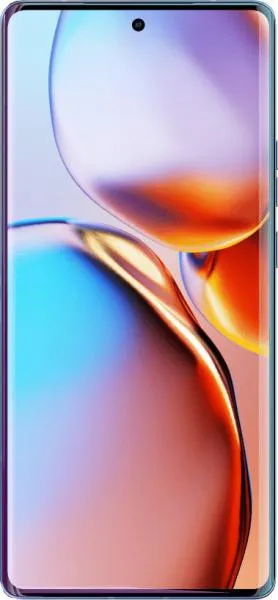
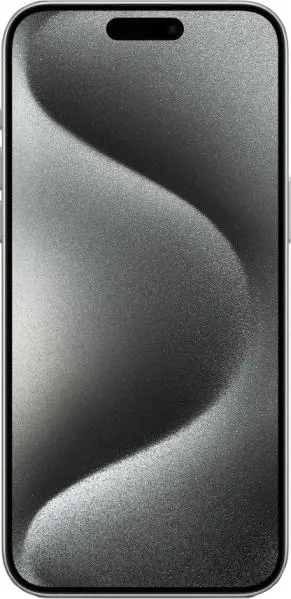
| Feature | Motorola Edge 40 Pro | Apple iPhone 15 Pro Max | Practical Impact |
|---|---|---|---|
| Design | |||
| Dimensions (mm) | 161.2 x 74 x 8.6 | 159.9 x 76.7 x 8.3 | iPhone 15 Pro Max is slightly shorter, wider, and thinner. Negligible difference in everyday use. |
| Weight (g) | 199 | 221 | Motorola is noticeably lighter, reducing hand fatigue during extended use. |
| Build Material | Not specified | Not specified | Cannot compare without information |
| Display | |||
| Display Type | OLED | LTPO OLED | Both offer excellent contrast and deep blacks. LTPO allows for dynamic refresh rate, potentially saving battery on the iPhone. |
| Display Size (inches) | 6.67 | 6.7 | Virtually identical screen sizes. |
| Resolution | 1080 x 2400 | 1290 x 2796 | iPhone has a sharper display with higher pixel density, resulting in crisper text and images. |
| Refresh Rate (Hz) | 165 | 120 | Motorola offers a higher refresh rate for smoother scrolling and animations, but iPhone's LTPO can dynamically adjust for better battery life. |
| Peak Brightness (nits) | 1300 | 2000 | iPhone boasts significantly higher peak brightness, improving outdoor visibility. |
| Performance | |||
| Chipset | Snapdragon 8 Gen 2 | A17 Pro | Both are top-tier chipsets, offering excellent performance. A17 Pro expected to have an edge in benchmarks due to newer 3nm process. |
| CPU | Octa-core (1x3.2 GHz Cortex-X3 & 2x2.8 GHz Cortex-A715 & 2x2.8 GHz Cortex-A710 & 3x2.0 GHz Cortex-A510) | Hexa-core (2x3.78 GHz + 4x2.11 GHz) | Both CPUs will handle demanding tasks with ease. Specific core configurations require in-depth benchmarking for accurate comparison. |
| GPU | Adreno 740 | Apple GPU (6-core) | Both GPUs provide top-tier gaming performance. Real-world gaming experience will depend on optimization for each platform. |
| RAM | 12GB | 8GB | Motorola has more RAM, potentially beneficial for multitasking and keeping apps in memory. However, iOS's memory management may mitigate this advantage. |
| Camera | |||
| Main Camera (MP) | 50 | 48 | Megapixel count isn't everything. Image quality depends on sensor size, processing, and other factors. |
| DxOMark Score | 130 | 154 | iPhone 15 Pro Max scores significantly higher in DxOMark tests, suggesting superior overall camera performance. |
| Video Capabilities | 8K@30fps, 4K@60fps | 4K@60fps | Both can record high-quality video. Motorola offers 8K recording, but file sizes will be significantly larger. |
| Battery | |||
| Capacity (mAh) | 4600 | 4441 | Motorola has a slightly larger battery capacity. Actual battery life depends on usage and optimization. |
2. Key Differences Analysis
Motorola Edge 40 Pro Advantages:
- Lighter Weight: More comfortable for extended use.
- Higher Refresh Rate Display: Smoother scrolling and animations.
- More RAM: Potential benefits for multitasking, though iOS optimization may minimize this.
- Slightly Larger Battery: Potentially longer battery life, although real-world usage will vary.
- 8K Video Recording: Offers higher resolution video, but with larger file sizes.
Apple iPhone 15 Pro Max Advantages:
- Sharper Display: Higher resolution and pixel density for crisper visuals.
- Brighter Display: Better outdoor visibility.
- More Powerful Chipset (Expected): A17 Pro's 3nm process suggests performance gains.
- Higher DxOMark Camera Score: Indicates superior camera quality based on standardized testing.
- LTPO Display: Dynamic refresh rate for potentially better battery life.
3. User Profiles & Recommendations
Motorola Edge 40 Pro: Users prioritizing a lighter phone, smoother scrolling, and potentially longer battery life. Good for gamers who value high refresh rates and those who record a lot of video (even if not always needing 8K).
Apple iPhone 15 Pro Max: Users who value a premium camera, bright and sharp display, and the iOS ecosystem. Ideal for photographers, videographers, and users who prioritize overall performance and a seamless user experience.
4. Decision Framework
Key Questions for Buyers:
- Which operating system do you prefer: Android or iOS?
- What is your budget? (The iPhone 15 Pro Max is generally more expensive).
- What are your top priorities: camera quality, display sharpness, battery life, performance, or overall value?
Scenario-Based Recommendations:
- Photography Enthusiast: iPhone 15 Pro Max
- Gamer on a Budget: Motorola Edge 40 Pro
- User Prioritizing Battery Life: Motorola Edge 40 Pro (but real-world testing needed for confirmation)
- User wanting the Sharpest Display: iPhone 15 Pro Max
My Choice: Apple iPhone 15 Pro Max
While the Motorola Edge 40 Pro offers a compelling package with a lighter weight, higher refresh rate, and potentially longer battery life, the iPhone 15 Pro Max's superior camera, sharper and brighter display, and the expected performance advantage of the A17 Pro chip make it the more compelling device for me. The tighter integration of hardware and software in the Apple ecosystem also contributes to a more seamless and polished user experience. While subjective, I value the overall user experience and camera quality over a slightly lighter phone or higher refresh rate. The significantly higher DxOMark score of the iPhone heavily influences my decision, as camera quality is a top priority for me.
