1. Specifications Comparison
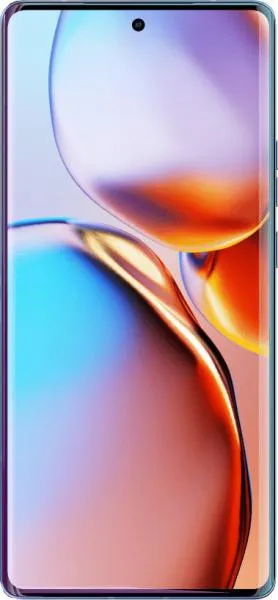
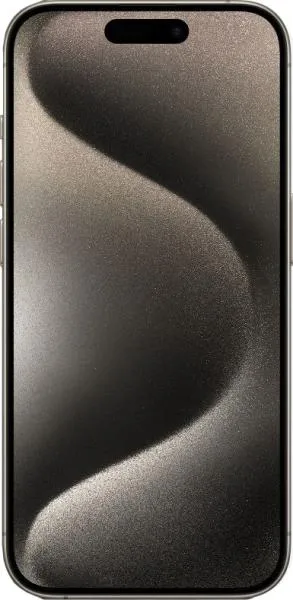
| Feature | Motorola Edge 40 Pro | Apple iPhone 15 Pro | Practical Impact |
|---|---|---|---|
| Design | |||
| Dimensions (mm) | 161.2 x 74 x 8.6 | 146.6 x 70.6 x 8.3 | iPhone 15 Pro is noticeably smaller and more pocketable. |
| Weight (g) | 199 | 187 | iPhone 15 Pro is slightly lighter, enhancing one-handed use. |
| Build Material | Not specified | Titanium frame | Titanium offers greater durability and scratch resistance compared to typical aluminum frames. Lack of info on the Edge limits comparison. |
| Display | |||
| Display Size (inches) | 6.67 | 6.1 | Edge 40 Pro offers a larger screen for more immersive media consumption; iPhone 15 Pro prioritizes one-handed usability. |
| Resolution | 1080 x 2400 | 1179 x 2556 | iPhone 15 Pro has a sharper display (higher PPI) resulting in crisper text and images. |
| Refresh Rate (Hz) | 165 | 120 | Edge 40 Pro's higher refresh rate provides smoother scrolling and animations, though the difference might not be perceptible to all users. |
| Peak Brightness (nits) | 1300 | 2000 | iPhone 15 Pro offers significantly higher peak brightness, improving outdoor visibility. |
| Panel Type | OLED | LTPO OLED | iPhone's LTPO panel allows for dynamic refresh rate adjustment, conserving battery. |
| Performance | |||
| Chipset | Snapdragon 8 Gen 2 | A17 Pro | Both are top-tier chipsets, offering excellent performance. A17 Pro is expected to lead in benchmarks due to its newer 3nm process. |
| CPU | Octa-core (1x3.2 GHz Cortex-X3 & 2x2.8 GHz Cortex-A715 & 2x2.8 GHz Cortex-A710 & 3x2.0 GHz Cortex-A510) | Hexa-core (2x3.78 GHz + 4x2.11 GHz) | Core configuration differences are less relevant for average users. Real-world performance depends on optimization. |
| GPU | Adreno 740 | Apple GPU (6-core) | Apple's GPUs are generally considered highly performant, especially for gaming and graphics-intensive tasks. |
| RAM | 12GB | 8GB | Edge 40 Pro has more RAM, potentially improving multitasking and app switching. However, iOS's memory management often mitigates the need for high RAM. |
| Camera | |||
| Main Camera (MP) | 50 | 48 | Megapixel count doesn't solely determine image quality. Both phones utilize advanced sensor technology. |
| Ultrawide (MP) | 50 | 12 | Edge has a significantly higher resolution ultrawide, potentially capturing more detail. |
| Telephoto (MP) | 12 | 12 | Similar resolution; practical difference lies in optical zoom capabilities (unspecified for both in this data). |
| DXOMARK Score | 130 | 154 | iPhone 15 Pro scores significantly higher in DXOMARK tests, suggesting superior overall camera performance. |
| Battery | |||
| Capacity (mAh) | 4600 | 3274 | Edge 40 Pro has a much larger battery capacity, likely translating to longer battery life. |
2. Key Differences Analysis
Motorola Edge 40 Pro Advantages:
- Larger Display: More immersive for media consumption.
- Higher Refresh Rate: Smoother scrolling and animations.
- Larger Battery: Potentially significantly longer battery life.
- More RAM: May provide better multitasking, though iOS optimization mitigates this advantage.
- Higher Resolution Ultrawide Camera: Potentially capturing more detailed wide-angle shots.
Apple iPhone 15 Pro Advantages:
- Smaller and Lighter: More comfortable for one-handed use and portability.
- Sharper Display: Crisper text and images due to higher PPI.
- Brighter Display: Better outdoor visibility.
- More Powerful Chipset (expected): Likely to outperform in benchmarks and demanding tasks.
- Higher DXOMARK Camera Score: Suggests better overall camera performance across various scenarios.
- More Durable Build (Titanium): Increased resistance to scratches and damage.
Trade-offs:
- Larger display vs. one-handed usability: Edge 40 Pro's larger screen sacrifices portability.
- Higher refresh rate vs. battery life: While visually appealing, a higher refresh rate consumes more power, potentially offsetting the Edge's larger battery advantage.
3. User Profiles & Recommendations
Motorola Edge 40 Pro: Suitable for users who prioritize:
- Media Consumption: Larger display and higher refresh rate enhance the experience.
- Battery Life: Larger battery capacity is crucial for heavy users.
- Multitasking: Ample RAM benefits users who frequently switch between apps.
- Value: Offers competitive specifications at a potentially lower price point than the iPhone.
Apple iPhone 15 Pro: Suitable for users who prioritize:
- Premium Ecosystem: Integration with other Apple devices and services.
- Camera Performance: Consistently excellent image quality across various conditions.
- Compact Form Factor: Prefer a smaller, easily pocketable phone.
- Performance: Demand the best possible processing power for demanding tasks and gaming.
- Durability: The titanium frame offers peace of mind against accidental damage.
4. Decision Framework
Key Questions for Buyers:
- What screen size do you prefer? Larger for immersive media or smaller for one-handed use?
- How important is battery life to you? Heavy users might prioritize the Edge 40 Pro's larger battery.
- Which ecosystem are you invested in? Existing Apple users might benefit from seamless integration with the iPhone.
My Choice: Apple iPhone 15 Pro
While the Motorola Edge 40 Pro boasts impressive specifications like a larger battery and higher refresh rate display, I would choose the Apple iPhone 15 Pro. The deciding factors for me are the superior camera performance indicated by the DXOMARK scores, the more powerful A17 Pro chip, and the premium build quality offered by the titanium frame. The more compact form factor also aligns with my personal preference. Although battery life might be a concern, iOS optimization and the LTPO display's dynamic refresh rate should mitigate this to some extent. Ultimately, the iPhone 15 Pro's overall package of performance, camera quality, and build feels more compelling, despite the higher price tag. The subjective preference for the Apple ecosystem also plays a minor role in this decision.
