1. Specifications Comparison
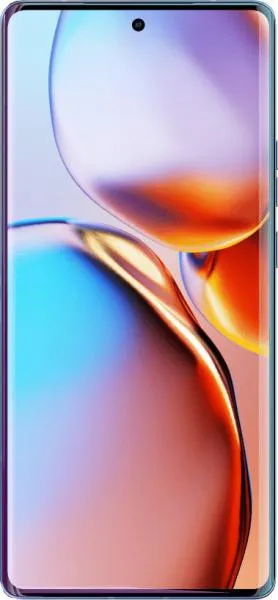
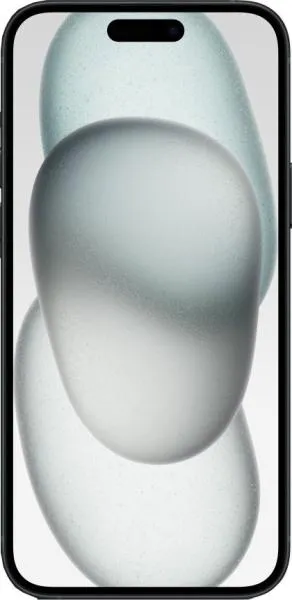
| Feature | Motorola Edge 40 Pro | Apple iPhone 15 Plus | Practical Impact |
|---|---|---|---|
| Design | |||
| Dimensions (mm) | 161.2 x 74 x 8.6 | 160.9 x 77.8 x 7.8 | iPhone 15 Plus is slightly shorter, wider, and thinner. Negligible difference in hand feel for most users. |
| Weight (g) | 199 | 201 | Virtually identical weight; negligible difference in real-world usage. |
| Build | Material specifications missing for both, preventing comparison of durability and premium feel. | ||
| Display | |||
| Display Type | OLED | OLED | Both offer vibrant colors and deep blacks. |
| Display Size (inches) | 6.67 | 6.7 | Negligible size difference. |
| Resolution (pixels) | 1080 x 2400 | 1290 x 2796 | iPhone 15 Plus has a noticeably sharper display due to higher resolution (460 ppi vs 394 ppi), resulting in crisper text and images. |
| Refresh Rate (Hz) | 165 | Unspecified | Higher refresh rate on the Edge 40 Pro results in smoother scrolling and animations, particularly noticeable in gaming and fast-paced content. Lack of iPhone refresh rate specification hinders direct comparison. |
| Peak Brightness (nits) | 1300 | 2000 | iPhone 15 Plus boasts significantly higher peak brightness, ensuring better visibility in direct sunlight. |
| Performance | |||
| Chipset | Snapdragon 8 Gen 2 | A16 Bionic | Both are flagship chipsets offering top-tier performance. Direct performance comparison requires benchmark data, which is not provided. |
| CPU | Octa-core (1x3.2 GHz Cortex-X3 & 2x2.8 GHz Cortex-A715 & 2x2.8 GHz Cortex-A710 & 3x2.0 GHz Cortex-A510) | Hexa-core (2x3.46 GHz Everest + 4x2.02 GHz Sawtooth) | Core configuration differences are less indicative of real-world performance than benchmark results, which are missing. |
| RAM (GB) | 12 | 6 | More RAM on the Edge 40 Pro potentially allows for more apps to run in the background without reloading. iOS's memory management might mitigate this advantage in real-world usage. |
| Camera | |||
| Main Camera (MP) | 50 | 48 | Megapixel count alone doesn't determine image quality. Missing sensor size and aperture details for iPhone's secondary rear camera hinder full comparison. |
| DxOMark Score | 130 | 145 | iPhone 15 Plus has a significantly higher DxOMark score, suggesting superior overall camera performance. However, DxOMark scores should be considered alongside individual user needs and preferences. |
| Video Capabilities | 8K@30fps, 4K@60fps | 4K@60fps | Both can record high-quality video. The Edge 40 Pro offers 8K recording, which provides more detail but requires significantly more storage. |
| Battery | |||
| Capacity (mAh) | 4600 | 4383 | Edge 40 Pro has a slightly larger battery capacity, potentially translating to longer battery life. Real-world battery life depends heavily on usage patterns. |
2. Key Differences Analysis
Motorola Edge 40 Pro Advantages:
- Higher Refresh Rate: Smoother user interface and gaming experience.
- Larger Battery: Potentially longer battery life.
- More RAM: Potentially better multitasking.
- 8K Video Recording: Higher resolution video capture.
Apple iPhone 15 Plus Advantages:
- Sharper Display: Higher resolution for crisper visuals.
- Higher Peak Brightness: Improved outdoor visibility.
- Higher DxOMark Score: Suggests superior camera performance.
- Potentially better performance per core: Apple's CPU architecture generally delivers high per-core performance.
Trade-offs:
- Edge 40 Pro: Lower resolution display, lower peak brightness.
- iPhone 15 Plus: Potentially shorter battery life, less RAM. Unspecifed refresh rate limits analysis.
3. User Profiles & Recommendations
Motorola Edge 40 Pro: Users prioritizing smooth performance, potentially longer battery life, and 8K video recording. Suitable for gamers, power users, and content creators.
Apple iPhone 15 Plus: Users who value a sharp display, excellent camera quality, and the iOS ecosystem. Ideal for general users, photographers, and videographers who prioritize ease of use and integration within the Apple ecosystem.
4. Decision Framework
Key Questions:
- What is your budget? The iPhone 15 Plus is listed as "medium price" while the Motorola is "high price."
- What operating system do you prefer? Android or iOS?
- What are your priorities? (e.g., Display quality, camera performance, battery life, gaming performance)
Scenario-Based Recommendations:
- Budget-conscious user: iPhone 15 Plus might offer better value.
- Gamer: Edge 40 Pro's high refresh rate display offers a clear advantage.
- Photographer: iPhone 15 Plus, based on the DxOMark score, suggests superior camera performance.
My Choice: Apple iPhone 15 Plus
While the Motorola Edge 40 Pro offers compelling features like a higher refresh rate and potentially longer battery life, the iPhone 15 Plus's superior display, higher DxOMark camera score, and the overall polish of the iOS ecosystem are more appealing to me. The sharper display and better outdoor visibility are significant factors in daily use. While the lack of refresh rate specification is a significant omission, I prioritize the consistently strong user experience that Apple typically delivers. Additionally, I value the robust app ecosystem and long-term software support associated with iPhones. Although benchmark data would provide a clearer picture of performance differences, based on the available information, the iPhone 15 Plus better aligns with my personal preferences and perceived needs.
