1. Specifications Comparison
| Feature | Motorola Edge 40 Neo | ZTE Blade V60 Design | Practical Impact |
|---|---|---|---|
| Design | |||
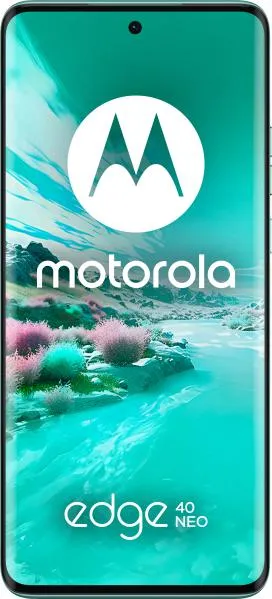
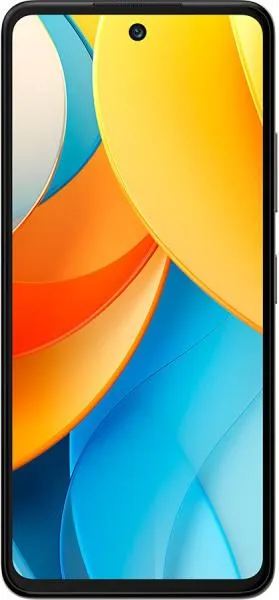
| Dimensions (mm) | 159.6 x 72 x 7.9 | 164.2 x 75.3 x 8.6 | The Motorola is noticeably smaller and thinner, making it more pocketable and comfortable for one-handed use. |
| Weight (g) | 170 | 198 | The ZTE is significantly heavier, potentially leading to fatigue during extended use. |
| Fingerprint Sensor | Under Display | Side-mounted | Under-display sensors are generally considered more modern and aesthetically pleasing. Side-mounted can be easier to reach depending on hand size and grip. |
| Display | |||
| Display Type | P-OLED | IPS LCD | OLED offers deeper blacks, richer colors, and better power efficiency. The Motorola's OLED with HDR10+ support will provide a superior viewing experience. |
| Size (inches) | 6.55 | 6.6 | Negligible difference in screen real estate. |
| Resolution | 1080 x 2400 | 720 x 1612 | The Motorola has a significantly sharper display (402 ppi vs 267 ppi), resulting in crisper text and images. The difference will be very noticeable. |
| Refresh Rate (Hz) | 144 | 90 | The Motorola's 144Hz refresh rate provides a much smoother and more responsive user experience, especially noticeable in gaming and scrolling. |
| Peak Brightness (nits) | 1300 | N/A | Higher peak brightness (Motorola) ensures better visibility in direct sunlight. Lack of data for the ZTE makes a direct comparison impossible. |
| Performance | |||
| Chipset | Dimensity 7030 (6nm) | Unisoc T606 (12nm) | The Dimensity 7030 is built on a smaller process node, indicating better power efficiency and potentially higher performance than the Unisoc T606. |
| CPU | Octa-core (2x2.5 GHz Cortex-A78 & 6x2.0 GHz Cortex-A55) | Octa-core (2x1.6 GHz Cortex-A75 & 6x1.6 GHz Cortex-A55) | The Motorola has faster and more powerful CPU cores, leading to smoother multitasking and faster app loading. |
| GPU | Mali-G610 MC3 | Mali-G57 MP1 | The Motorola's GPU is more powerful, offering better gaming performance and smoother graphics rendering. |
| RAM | 12GB | 6GB | Double the RAM on the Motorola allows for more apps to run in the background and smoother multitasking. This will be very noticeable in day-to-day use. |
| Storage | 256GB | 256GB | Both phones offer equal storage. |
| Camera | |||
| Video Capabilities | 4K@30fps, 1080p various | 1080p@30fps | The Motorola supports 4K video recording and various slow-motion options, providing more versatile video recording capabilities. |
| Battery | |||
| Capacity (mAh) | 5000 | 5000 | Equal battery capacity; however, real-world battery life will depend on software optimization and display efficiency. The Motorola's OLED screen might provide better longevity. |
2. Key Differences Analysis
Motorola Edge 40 Neo Advantages:
- Superior Display: Significantly sharper, smoother, and more vibrant display with HDR10+ support.
- Significantly Better Performance: More powerful processor, GPU, and double the RAM for smoother multitasking and gaming.
- More Versatile Camera: 4K video recording and slow-motion options.
- More Compact and Lighter Design: Easier to handle and carry.
ZTE Blade V60 Design Advantages:
- Potentially Lower Price: Belonging to a lower price range, it offers greater affordability.
Trade-offs:
- The ZTE Blade V60 Design sacrifices performance, display quality, and camera features for affordability.
3. User Profiles & Recommendations
Motorola Edge 40 Neo: Users who prioritize performance, a high-quality display, and a smooth user experience. Suitable for gamers, media consumers, and multitaskers.
ZTE Blade V60 Design: Budget-conscious users who primarily use their phones for basic tasks like calling, texting, and browsing. Suitable for users who prioritize affordability above all else.
4. Decision Framework
Key Questions for Buyers:
- What is your budget? The ZTE is likely significantly cheaper.
- What are your primary phone usage patterns? Basic tasks vs. demanding applications.
- How important is display quality and performance to you?
Scenario-Based Recommendations:
- Tight Budget: ZTE Blade V60 Design
- Balanced Needs: Motorola Edge 40 Neo
- Performance Focused: Motorola Edge 40 Neo
My Choice: Motorola Edge 40 Neo
While the ZTE Blade V60 Design might be more affordable, the Motorola Edge 40 Neo offers a significantly superior user experience across the board. The vastly improved display, performance, and more compact design make it a much more compelling device for my needs. I prioritize a smooth and responsive user experience, a vibrant display for media consumption, and enough power for demanding tasks and occasional gaming. The price difference is likely worth the investment for the long-term satisfaction and usability the Motorola Edge 40 Neo provides.
