1. Specifications Comparison
| Feature | Motorola Edge 40 Neo | ZTE Blade A75 4G | Practical Impact |
|---|---|---|---|
| Design | |||
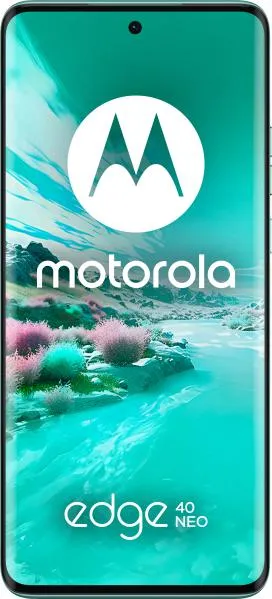
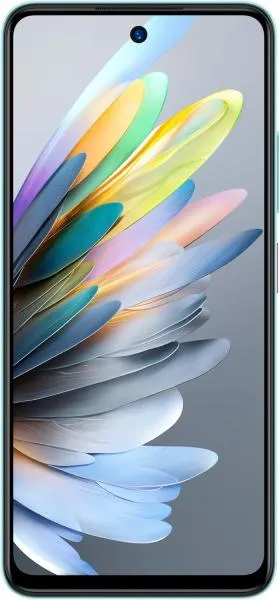
| Dimensions (mm) | 159.6 x 72 x 7.9 | 164.1 x 75.8 x 8.6 | The Motorola is noticeably smaller and thinner, making it more pocketable and comfortable for one-handed use. |
| Weight (g) | 170 | 189 | The Motorola is lighter, reducing hand fatigue during extended use. |
| Fingerprint Sensor | Under display | Side-mounted | Preference-based, but under-display is often perceived as more modern. |
| Display | |||
| Display Type | P-OLED | IPS LCD | The Motorola's OLED offers deeper blacks, more vibrant colors, and better power efficiency. |
| Resolution | 1080 x 2400 | 720 x 1612 | The Motorola's display is significantly sharper, resulting in clearer text and images. |
| Refresh Rate (Hz) | 144 | 90 | The Motorola's 144Hz display provides a smoother and more responsive user experience, especially noticeable in gaming and scrolling. |
| Peak Brightness (nits) | 1300 | Not specified | The Motorola's high peak brightness ensures better visibility in direct sunlight. The lack of data for the ZTE makes a direct comparison impossible. |
| Performance | |||
| Chipset | MediaTek Dimensity 7030 (6nm) | Unisoc T606 (12nm) | The Motorola's chip is built on a smaller process, suggesting better power efficiency and potentially higher performance. |
| CPU | Octa-core (2x2.5 GHz Cortex-A78 & 6x2.0 GHz Cortex-A55) | Octa-core (2x1.6 GHz Cortex-A75 & 6x1.6 GHz Cortex-A55) | The Motorola has faster and more powerful CPU cores, leading to better performance in demanding tasks and multitasking. |
| GPU | Mali-G610 MC3 | Mali-G57 MP1 | The Motorola's GPU is more powerful, offering smoother gaming and graphics performance. |
| RAM | 12GB | 4GB | The significantly higher RAM in the Motorola allows for more apps to run in the background and smoother multitasking. |
| Storage | 256GB | 256GB | Both offer the same storage capacity. |
| Camera | |||
| Video Capabilities | 4K@30fps, various 1080p options with EIS | 1080p@30fps | The Motorola offers superior video recording capabilities, including 4K resolution and Electronic Image Stabilization (EIS) at various frame rates for smoother footage. |
| Battery | |||
| Capacity (mAh) | 5000 | 5000 | Both have the same battery capacity, but actual battery life will depend on other factors like display and processor efficiency. |
2. Key Differences Analysis
Motorola Edge 40 Neo Advantages:
- Superior Display: Significantly sharper, smoother, and more vibrant due to OLED technology, higher resolution, and 144Hz refresh rate.
- Higher Performance: More powerful processor and significantly more RAM for smooth multitasking and demanding tasks.
- Better Video Recording: Offers 4K resolution and EIS for superior video quality.
- More Compact Design: Smaller and lighter for easier one-handed use.
ZTE Blade A75 4G Advantages:
- Potentially Lower Price: Belongs to a lower price range.
Trade-offs:
- The ZTE likely sacrifices performance, display quality, and features for a lower price point.
3. User Profiles & Recommendations
Motorola Edge 40 Neo: Users who value performance, a high-quality display, smooth gaming, and a compact design. Ideal for:
- Mobile gamers
- Power users
- Content consumers (video streaming, social media)
ZTE Blade A75 4G: Users on a tight budget who prioritize basic functionality and long battery life over performance and premium features. Ideal for:
- Basic communication (calls, texting)
- Light web browsing
- Less demanding users
4. Decision Framework
Key Questions:
- What is your budget? The ZTE is expected to be significantly cheaper.
- What are your primary use cases? (e.g., gaming, photography, basic communication)
- How important are display quality and performance?
Scenario-Based Recommendations:
- Tight Budget, Basic Use: ZTE Blade A75 4G
- Balanced Budget, All-Around Use: Motorola Edge 40 Neo
- Performance and Display Enthusiast: Motorola Edge 40 Neo
My Choice: Motorola Edge 40 Neo
The Motorola Edge 40 Neo offers a significantly better user experience due to its superior display, performance, and more compact design. While the ZTE Blade A75 4G might be cheaper, the compromises in key areas like performance and display would significantly impact daily usage. The Motorola's 12GB RAM, powerful processor, and 144Hz OLED display make it a clear winner for a smoother and more enjoyable smartphone experience. Even without knowing the exact price difference, the value proposition of the Edge 40 Neo seems much stronger for anything beyond very basic smartphone usage.
