1. Specifications Comparison
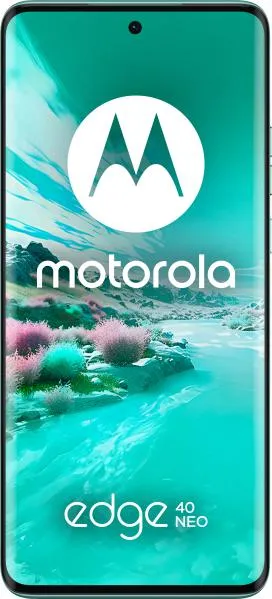
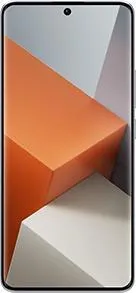
| Feature | Motorola Edge 40 Neo | Xiaomi Redmi Note 13 Pro+ | Practical Impact |
|---|---|---|---|
| Design | |||
| Dimensions | 159.6 x 72 x 7.9 mm | 161.4 x 74.2 x 8.9 mm | The Motorola is noticeably smaller and thinner, making it more pocketable and easier to handle one-handed. |
| Weight | 170g | 199g | The Motorola is significantly lighter, reducing hand fatigue during extended use. |
| Display | |||
| Display Type | P-OLED | AMOLED | Both offer vibrant colors and deep blacks. |
| Size | 6.55" | 6.67" | The Xiaomi offers a slightly larger screen for more immersive media consumption. |
| Resolution | 1080 x 2400 | 1220 x 2712 | The Xiaomi boasts a sharper display due to its higher resolution and pixel density. |
| Refresh Rate | 144Hz | 120Hz | The Motorola's higher refresh rate results in smoother animations and scrolling, especially noticeable in gaming and fast-paced UI interactions. |
| Peak Brightness | 1300 nits | 1800 nits | The Xiaomi's significantly higher peak brightness ensures better visibility in direct sunlight. |
| Performance | |||
| Chipset | MediaTek Dimensity 7030 (6nm) | MediaTek Dimensity 7200 Ultra (4nm) | The Xiaomi's 4nm process and newer Dimensity chip likely translate to improved performance and power efficiency, though real-world differences might vary. |
| CPU | Octa-core (2x2.5 GHz Cortex-A78 & 6x2.0 GHz Cortex-A55) | Octa-core (2x2.8 GHz Cortex-A715 & 6x2.0 GHz Cortex-A510) | The Xiaomi features newer CPU cores and higher clock speeds, indicating better multi-core performance for demanding tasks. |
| GPU | Mali-G610 MC3 | Mali-G610 MC4 | The Xiaomi's GPU has one additional core, potentially offering a slight advantage in graphics performance. |
| RAM/Storage | 12GB/256GB | 8/512GB, 12/256GB, 12/512GB | The Xiaomi offers more storage options, catering to users with larger storage needs. |
| Battery | |||
| Capacity | 5000 mAh | 5000 mAh | Both phones have the same battery capacity, but real-world battery life will depend on factors like software optimization and display usage. |
| Camera | |||
| Video Capabilities | Up to 4K@30fps, 1080p@240fps | Up to 4K@30fps, 1080p@120fps | While both offer 4K recording, the Motorola allows for higher frame rate slow-motion video at 1080p. Detailed camera sensor specifications are needed for a thorough comparison. |
2. Key Differences Analysis
Motorola Edge 40 Neo Advantages:
- More Compact and Lighter: Significantly easier to handle and carry.
- Higher Refresh Rate Display: Smoother user experience, especially for gaming.
Xiaomi Redmi Note 13 Pro+ Advantages:
- Sharper Display: More detailed visuals due to higher resolution and pixel density.
- Brighter Display: Superior outdoor visibility.
- More Powerful Processor: Potentially faster performance for demanding tasks and gaming.
- More Storage Options: Caters to users with larger storage needs.
3. User Profiles & Recommendations
Motorola Edge 40 Neo: Ideal for users who prioritize one-handed usability, portability, and a smooth display experience. Suitable for web browsing, social media, casual gaming, and everyday tasks.
Xiaomi Redmi Note 13 Pro+: Better suited for users who prioritize a large, sharp, and bright display, along with potentially higher performance for demanding tasks and gaming. Good choice for multimedia consumption, mobile photography (pending detailed camera specs), and power users.
4. Decision Framework
Key Questions for Buyers:
- How important is one-handed usability and portability?
- Do you prioritize display sharpness and brightness over a higher refresh rate?
- What level of performance do you need for your typical usage?
Scenario-Based Recommendations:
- Heavy gamer on a budget: Motorola Edge 40 Neo for its higher refresh rate.
- Outdoor enthusiast: Xiaomi Redmi Note 13 Pro+ for its brighter display.
- Power user needing ample storage: Xiaomi Redmi Note 13 Pro+ for its storage options and potentially powerful processor.
My Choice: Xiaomi Redmi Note 13 Pro+
While the Motorola Edge 40 Neo's compact size and higher refresh rate are appealing, the Xiaomi Redmi Note 13 Pro+'s superior display (sharper, brighter), potentially more powerful processor (4nm process, newer CPU cores), and greater storage options make it a more compelling overall package for my needs. I prioritize a sharp and bright screen for media consumption and a powerful processor for demanding tasks and future-proofing. The slightly larger size is a trade-off I'm willing to make for these benefits. However, a full camera comparison would be necessary to solidify this decision.
