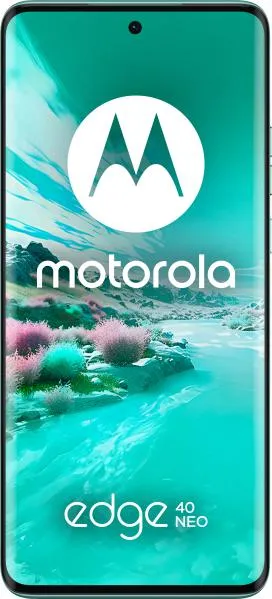
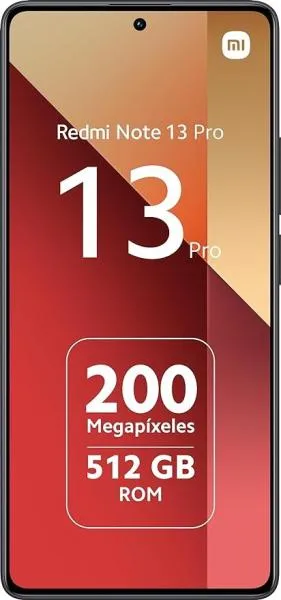
1. Specifications Comparison
| Feature | Motorola Edge 40 Neo | Xiaomi Redmi Note 13 Pro 4G | Practical Impact |
|---|---|---|---|
| Design | |||
| Dimensions | 159.6 x 72 x 7.9 mm | 161.1 x 75 x 8 mm | The Motorola is noticeably narrower and slightly thinner, making it more comfortable for one-handed use. |
| Weight | 170g | 188g | The Motorola is significantly lighter, reducing hand fatigue during extended use. |
| Display | |||
| Size | 6.55" | 6.67" | The Xiaomi offers a slightly larger screen for more immersive content consumption. |
| Type | P-OLED | AMOLED | Both offer vibrant colors and deep blacks. P-OLED generally consumes less power. |
| Refresh Rate | 144Hz | 120Hz | The Motorola's higher refresh rate provides smoother animations and scrolling, especially noticeable in games and fast-paced UI interactions. |
| Peak Brightness | 1300 nits | 1300 nits | Both offer excellent outdoor visibility. |
| Performance | |||
| Chipset | MediaTek Dimensity 7030 (6nm) | Mediatek Helio G99 Ultra | The Dimensity 7030 likely offers slightly better performance and efficiency due to superior architecture and manufacturing process (though "Ultra" designation on the G99 requires further investigation to confirm). |
| CPU | Octa-core (2x2.5 GHz Cortex-A78 & 6x2.0 GHz Cortex-A55) | Octa-core (2x2.2 GHz Cortex-A76 & 6x2.0 GHz Cortex-A55) | The Motorola has faster prime cores (Cortex-A78 vs A76), resulting in better performance in demanding tasks. |
| GPU | Mali-G610 MC3 | Mali-G57 MC2 | The Motorola's GPU is more powerful, offering smoother gaming and faster graphics rendering. |
| RAM | 12GB | 8GB/12GB | More RAM allows for smoother multitasking; the base model Xiaomi may experience performance limitations with heavy usage. |
| Storage | 256GB | 256GB/512GB | The Xiaomi offers a 512GB option for users needing more storage space. |
| Camera | |||
| Video Capabilities | 4K@30fps, various 1080p options up to 240fps | 1080p@30/60fps | The Motorola offers significantly more versatile video recording options, including 4K resolution and high frame rate slow-motion. Detailed camera sensor specifications are needed for comprehensive comparison. |
| Battery | |||
| Capacity | 5000 mAh | 5000 mAh | Similar battery capacities suggest comparable battery life, although real-world usage will vary depending on software optimization and user habits. |
| Software | |||
| OS | Android 13 | Android 13 | Both launch with Android 13. |
| Max OS Version | 15 | 16 | The Xiaomi offers longer software support, receiving updates for a longer period. |
| Other | |||
| Sensors | Accelerometer, gyro, proximity, compass, Fingerprint (under display) | Accelerometer, gyro, compass, Fingerprint (under display) | The Motorola includes a gyroscope sensor, potentially enhancing gaming and AR experiences. The Xiaomi lacks proximity sensor data, a critical omission impacting basic functionality like automatic screen-off during calls. |
2. Key Differences Analysis
Motorola Edge 40 Neo Advantages:
- Superior Performance: Faster CPU and GPU for smoother gaming and multitasking.
- Higher Refresh Rate Display: Smoother scrolling and animations.
- More Ergonomic Design: Lighter and narrower for comfortable one-handed use.
- More Versatile Video Recording: 4K resolution and high frame rate slow-motion.
Xiaomi Redmi Note 13 Pro 4G Advantages:
- Larger Display: More immersive content consumption.
- Longer Software Support: Guaranteed updates for a longer period.
- Larger Storage Option: 512GB option available for users with high storage demands.
Trade-offs:
- The Motorola prioritizes performance and ergonomics but offers shorter software support.
- The Xiaomi prioritizes content consumption and long-term software updates but compromises on performance and handling.
3. User Profiles & Recommendations
Motorola Edge 40 Neo: Ideal for users who prioritize performance, smooth display, comfortable one-handed use, and versatile video recording. Suitable for gamers, power users, and content creators who value on-the-go productivity.
Xiaomi Redmi Note 13 Pro 4G: Ideal for users who prioritize large screen size, long-term software updates, and ample storage. Suitable for media consumption, casual gaming, and users who value software updates over peak performance.
4. Decision Framework
Key Questions for Buyers:
- How important is performance and gaming to you?
- Do you prioritize one-handed usability and a lighter phone?
- How much value do you place on long-term software updates?
Scenario-Based Recommendations:
- Gamer: Motorola Edge 40 Neo due to superior performance and higher refresh rate display.
- Media Consumer: Xiaomi Redmi Note 13 Pro 4G for larger display and longer software support.
- Power User: Motorola Edge 40 Neo for better performance and multitasking capabilities.
My Choice: Motorola Edge 40 Neo
While the Xiaomi Redmi Note 13 Pro 4G offers a larger display and longer software updates, the Motorola Edge 40 Neo's superior performance, smoother display (144Hz), more comfortable ergonomics (lighter and narrower), and significantly more versatile video recording capabilities make it a more compelling overall package for me. The missing proximity sensor on the Xiaomi is a significant concern, potentially hindering basic calling functionality. I prioritize day-to-day performance, responsiveness, and in-hand feel, and the Motorola delivers better in these crucial areas. I'm also willing to compromise slightly on long-term software updates for a significantly improved user experience in the present. The difference in maximum Android version (15 vs 16) is relatively minor considering the typical update cycle for mid-range phones.
