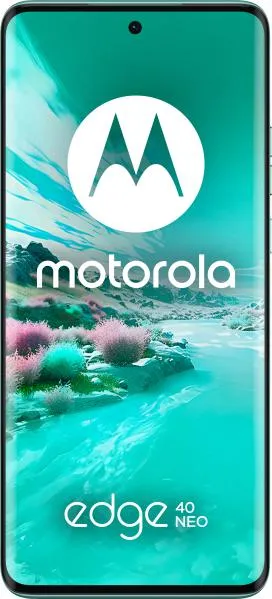
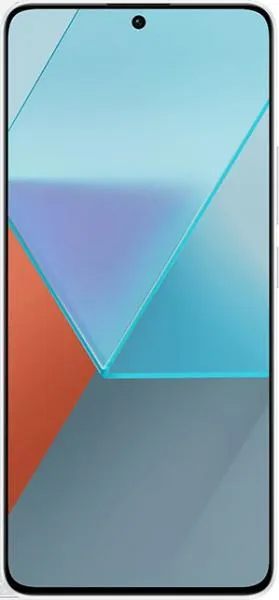
1. Specifications Comparison
| Feature | Motorola Edge 40 Neo | Xiaomi Redmi Note 13 Pro | Practical Impact |
|---|---|---|---|
| Design | |||
| Dimensions | 159.6 x 72 x 7.9 mm | 161.2 x 74.2 x 8 mm | Redmi is slightly larger and thicker. Neo likely feels more compact in hand. |
| Weight | 170g | 187g | Noticeable weight difference; Neo is significantly lighter for comfortable one-handed use. |
| Display | |||
| Display Type | P-OLED, 1B colors | AMOLED, 68B colors | Both offer vibrant colors; Redmi boasts a wider color gamut, potentially noticeable in professional photo/video editing. |
| Size | 6.55" | 6.67" | Redmi offers a slightly larger screen for media consumption. |
| Resolution | 1080 x 2400 | 1220 x 2712 | Redmi has a sharper display (higher pixel density) resulting in crisper text and images. |
| Refresh Rate | 144Hz | 120Hz | Neo's higher refresh rate delivers smoother scrolling and animations, especially noticeable in gaming. |
| Peak Brightness | 1300 nits | 1800 nits | Redmi's higher peak brightness ensures better visibility in direct sunlight. |
| Performance | |||
| Chipset | MediaTek Dimensity 7030 (6 nm) | Qualcomm Snapdragon 7s Gen 2 (4 nm) | Snapdragon 7s Gen 2 generally offers better performance and efficiency due to its more advanced architecture. |
| CPU | Octa-core (2x2.5 GHz Cortex-A78 & 6x2.0 GHz Cortex-A55) | Octa-core (4x2.40 GHz Cortex-A78 & 4x1.95 GHz Cortex-A55) | While core configurations differ, the Snapdragon chip likely provides a performance advantage in demanding tasks. |
| GPU | Mali-G610 MC3 | Adreno 710 | Adreno 710 generally offers superior graphics performance for gaming and demanding applications. |
| RAM/Storage | 12GB/256GB | 8GB/256GB, 12GB/256GB, 12GB/512GB | Redmi offers more storage options, catering to users with high storage needs. |
| Camera | Video capabilities are similar, offering 4K and various slow-motion options. Detailed camera sensor specifications are missing, limiting a thorough comparison. | ||
| Video | 4K@30fps, 1080p@ up to 240fps | 4K@30fps, 1080p@ up to 120fps | Neo offers higher frame rate slow-motion video (240fps vs 120fps). |
| Battery | |||
| Capacity | 5000 mAh | 5100 mAh | Negligible difference in battery capacity; real-world battery life depends on optimization and usage patterns. |
| Other | |||
| OS Updates | Up to Android 15 | Up to Android 16 | Redmi offers longer software support, important for security and feature updates. |
2. Key Differences Analysis
Motorola Edge 40 Neo Advantages:
- Lighter and More Compact: Noticeably lighter and smaller, making it more comfortable for one-handed use and pocket portability.
- Higher Refresh Rate Display: Smoother scrolling and more responsive gaming experience.
Xiaomi Redmi Note 13 Pro Advantages:
- Sharper Display: Higher resolution and pixel density lead to crisper visuals.
- More Powerful Chipset: Better overall performance for demanding tasks and potentially better battery efficiency.
- Brighter Display: Improved outdoor visibility.
- Longer Software Support: Receives updates for a longer period.
- More Storage Options: Caters to users with high storage demands.
3. User Profiles & Recommendations
Motorola Edge 40 Neo: Ideal for users prioritizing a lightweight, compact phone with a smooth display. Suitable for casual gaming, social media, and everyday tasks.
Xiaomi Redmi Note 13 Pro: Best for users who value performance, a sharp and bright display, and longer software updates. Well-suited for demanding tasks, mobile gaming, and media consumption.
4. Decision Framework
Key Questions for Buyers:
- Do you prioritize one-handed usability and portability? If yes, the Neo's lighter and more compact design is advantageous.
- Is a high refresh rate display crucial for gaming or general smoothness? The Neo's 144Hz display excels in this area.
- Do you need the best possible performance and a longer software update cycle? The Redmi Note 13 Pro offers a more powerful chipset and longer-term software support.
My Choice: Xiaomi Redmi Note 13 Pro
While the Motorola Edge 40 Neo offers a compelling lightweight design and high refresh rate display, the Xiaomi Redmi Note 13 Pro is the stronger overall package for my needs. The superior performance of the Snapdragon 7s Gen 2, sharper and brighter display, longer software support, and greater storage options outweigh the Neo's advantages for me. The slightly larger size and weight are acceptable trade-offs for the significant gains in performance, longevity, and visual quality. I value future-proofing and a smooth, powerful user experience, which the Redmi Note 13 Pro better delivers.
