1. Specifications Comparison
| Feature | Motorola Edge 40 Neo | Xiaomi Redmi Note 13 4G | Practical Impact |
|---|---|---|---|
| Design | |||
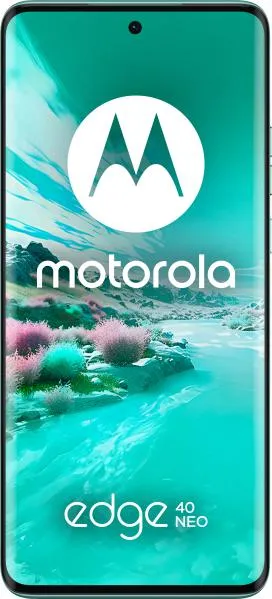
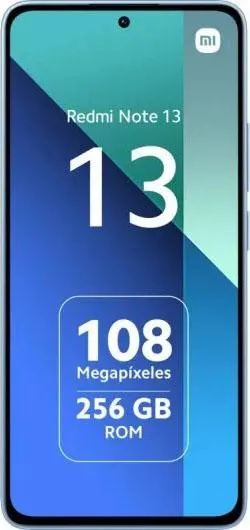
| Dimensions | 159.6 x 72 x 7.9 mm | 162.3 x 75.6 x 8 mm | The Motorola is noticeably smaller and thinner, making it more pocketable and easier to handle. |
| Weight | 170g | 188.5g | The Motorola is significantly lighter, reducing hand fatigue during extended use. |
| Display | |||
| Display Type | P-OLED | AMOLED | Both offer vibrant colors and deep blacks. P-OLED generally consumes less power. |
| Size | 6.55" | 6.67" | The Redmi offers a slightly larger screen for more immersive content consumption. |
| Resolution | 1080 x 2400 | 1080 x 2400 | Identical resolution, resulting in similar sharpness on both devices. |
| Refresh Rate | 144Hz | 120Hz | The Motorola's higher refresh rate provides smoother animations and scrolling, especially noticeable in gaming and fast-paced UI interactions. |
| Peak Brightness | 1300 nits | 1800 nits | The Redmi's significantly higher peak brightness ensures better visibility in direct sunlight. |
| Performance | |||
| Chipset | MediaTek Dimensity 7030 | Qualcomm Snapdragon 685 | The Dimensity 7030 generally offers better performance, especially in graphically demanding tasks. The Snapdragon 685 prioritizes power efficiency. |
| CPU | Octa-core (2x2.5 GHz Cortex-A78 & 6x2.0 GHz Cortex-A55) | Octa-core (4x2.8 GHz Cortex-A73 & 4x1.9 GHz Cortex-A53) | While the Snapdragon has higher clock speeds on performance cores, the Dimensity's newer architecture likely results in better overall performance and efficiency. |
| GPU | Mali-G610 MC3 | Adreno 610 | The Mali-G610 MC3 generally provides a smoother gaming experience compared to the Adreno 610. |
| RAM/Storage | 12GB/256GB | 8GB/128GB or 8GB/256GB | The Motorola offers more RAM, benefiting multitasking and overall system responsiveness. |
| Camera | |||
| Video Capabilities | Up to 4K@30fps, 1080p@240fps | 1080p@30fps | The Motorola offers significantly more versatile video recording options, including 4K resolution and high frame rate slow-motion. We lack detailed camera sensor specifications for a comprehensive comparison. |
| Battery | |||
| Capacity | 5000 mAh | 5000 mAh | Identical battery capacity suggests similar battery life, though real-world usage will vary based on software optimization and user habits. |
| Software | |||
| OS | Android 13 | Android 13 | Both phones launch with the same OS version. |
| Max OS Version | 15 | 16 | The Redmi is promised a longer software update cycle, meaning it will receive newer Android versions and security patches for a longer period. |
2. Key Differences Analysis
Motorola Edge 40 Neo Advantages:
- Superior Performance: The Dimensity 7030 and higher RAM configuration offer a noticeable performance advantage, particularly in gaming and demanding applications.
- Smoother Display: The 144Hz refresh rate provides a more fluid user experience.
- More Compact and Lighter: Easier to handle and carry.
- Versatile Video Recording: Offers 4K recording and various slow-motion options.
Xiaomi Redmi Note 13 4G Advantages:
- Brighter Display: The 1800 nits peak brightness ensures excellent outdoor visibility.
- Longer Software Support: Expected to receive updates for a longer period.
- Potentially Lower Price: Depending on the storage configuration, the Redmi might be more affordable.
3. User Profiles & Recommendations
Motorola Edge 40 Neo: Suited for users who prioritize performance, a smooth display, and a compact form factor. Ideal for gamers, power users, and those who value a premium feel.
Xiaomi Redmi Note 13 4G: Best for users who prioritize battery life, outdoor visibility, and long-term software updates. A good choice for budget-conscious buyers who primarily use their phones for everyday tasks like browsing, social media, and communication.
4. Decision Framework
Key Questions for Buyers:
- Is performance a top priority? If yes, the Motorola Edge 40 Neo is the clear winner.
- How important is outdoor visibility? If using the phone frequently in direct sunlight is crucial, the Redmi Note 13 4G's brighter display is a significant advantage.
- What is your budget? Compare prices for specific storage configurations to determine the best value.
My Choice: Motorola Edge 40 Neo
While the Redmi Note 13 4G offers a brighter display and longer software support, the Motorola Edge 40 Neo is the better overall package for my needs. I prioritize performance and a smooth user experience, and the combination of the Dimensity 7030 chipset, 12GB RAM, and 144Hz display makes the Motorola a clear winner in these areas. The more compact and lightweight design is also a plus. While the Redmi's brighter screen is appealing, I find that 1300 nits is sufficient for most outdoor situations. The superior video recording capabilities of the Motorola further solidify my choice. The trade-off of potentially shorter software support is acceptable considering the significant performance and usability advantages offered by the Motorola.
