1. Specifications Comparison
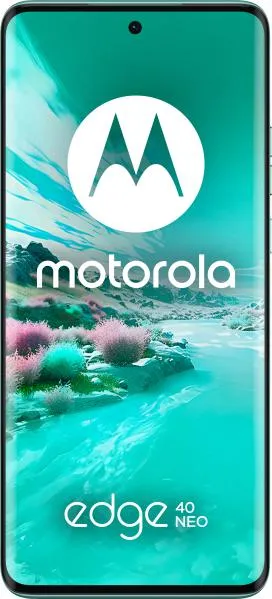
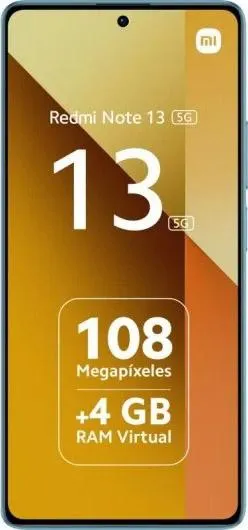
| Feature | Motorola Edge 40 Neo | Xiaomi Redmi Note 13 | Practical Impact |
|---|---|---|---|
| Design | |||
| Dimensions | 159.6 x 72 x 7.9 mm | 161.1 x 75 x 7.6 mm | The Motorola is slightly smaller and thinner, potentially offering a better one-handed grip. |
| Weight | 170g | 174.5g | The weight difference is negligible in day-to-day use. |
| Fingerprint Sensor | Under Display | Side-mounted | Preference-based; under-display is often perceived as more modern, side-mounted can be more reliable. |
| Display | |||
| Display Type | P-OLED | AMOLED | Both offer vibrant colors and deep blacks. P-OLED might offer slightly better power efficiency. |
| Size | 6.55" | 6.67" | The Redmi Note 13 has a slightly larger display, better for media consumption but potentially less pocketable. |
| Resolution | 1080 x 2400 | 1080 x 2400 | Identical resolution; sharpness will be similar on both devices given the slight size difference. |
| Refresh Rate | 144Hz | 120Hz | The Motorola's higher refresh rate provides smoother scrolling and animations, especially noticeable in gaming. |
| Peak Brightness | 1300 nits | 1000 nits | The Motorola will be significantly more visible in direct sunlight. |
| Performance | |||
| Chipset | MediaTek Dimensity 7030 | MediaTek Dimensity 6080 | The Dimensity 7030 in the Motorola is generally more powerful, resulting in faster app loading, smoother multitasking, and better gaming performance. |
| CPU | Octa-core (2x2.5 GHz Cortex-A78 & 6x2.0 GHz Cortex-A55) | Octa-core (2x2.4 GHz Cortex-A76 & 6x2.0 GHz Cortex-A55) | The Motorola's CPU configuration, with slightly faster cores, provides a performance advantage. |
| GPU | Mali-G610 MC3 | Mali-G57 MC2 | The Motorola's GPU is more capable, leading to better gaming and graphics performance. |
| RAM | 12GB | 8GB/12GB | The base Redmi Note 13 having only 8GB RAM could lead to performance limitations with heavy multitasking compared to the 12GB in the Motorola. |
| Storage | 256GB | 256GB | Equivalent storage on both devices. |
| Camera | |||
| Video Capabilities | Up to 4K@30fps, 1080p@240fps | 1080p@30fps | The Motorola offers significantly more versatile video recording options, including 4K resolution and slow-motion capabilities. No detailed camera sensor specifications are provided for comparison. |
| Battery | |||
| Capacity | 5000 mAh | 5000 mAh | Similar battery capacity suggests comparable battery life, though real-world usage will depend on software optimization and user habits. |
2. Key Differences Analysis
Motorola Edge 40 Neo Advantages:
- Superior Display: Brighter and smoother due to higher peak brightness and refresh rate.
- Better Performance: More powerful chipset and GPU for smoother operation and gaming.
- More Versatile Camera: Significantly better video recording capabilities.
Xiaomi Redmi Note 13 Advantages:
- Lower Price: Positioned in a lower price bracket.
- Slightly Larger Display: May be preferred by users who prioritize screen real estate.
- Potentially Longer Software Support: Offers one additional major Android OS update (up to Android 16).
Trade-offs:
- Performance vs. Price: The Redmi Note 13 sacrifices performance for affordability.
- Display Quality vs. Size: The Motorola prioritizes brightness and smoothness over sheer size.
3. User Profiles & Recommendations
Motorola Edge 40 Neo: Suitable for users who prioritize a smooth and responsive experience, enjoy mobile gaming, need a bright display for outdoor use, and value superior video recording capabilities.
Xiaomi Redmi Note 13: Best for budget-conscious users who prioritize a large display for media consumption and are less demanding in terms of performance and camera features.
4. Decision Framework
Key Questions for Buyers:
- What is your budget? The Redmi Note 13 is the more affordable option.
- What are your performance expectations? For demanding tasks and gaming, the Motorola is superior.
- How important is display quality and brightness? The Motorola excels in outdoor visibility and smooth scrolling.
My Choice: Motorola Edge 40 Neo
While the Redmi Note 13 offers a compelling price, the Motorola Edge 40 Neo provides a significantly better user experience due to its superior display, performance, and video recording capabilities. The smoother 144Hz display, brighter screen for outdoor use, and noticeably faster performance powered by the Dimensity 7030 make it a more well-rounded device. The price difference is justified by the tangible benefits in daily use. The lack of specific camera sensor details limits a full camera comparison, but the vastly superior video capabilities of the Motorola make it the clear winner for video recording. Even though the Redmi Note 13 might offer longer software updates, the performance and display advantages of the Motorola would outweigh that benefit for me.
