1. Specifications Comparison
| Feature | Motorola Edge 40 Neo | Xiaomi Redmi 14C | Practical Impact |
|---|---|---|---|
| Design | |||
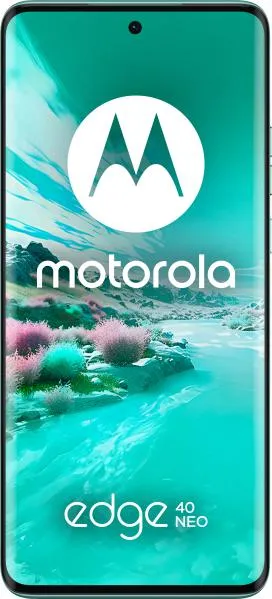
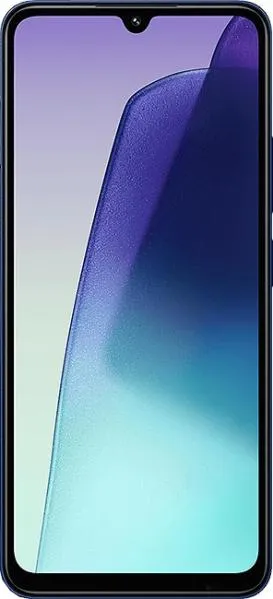
| Dimensions (mm) | 159.6 x 72 x 7.9 | 171.9 x 77.8 x 8.2 | Redmi 14C significantly larger and heavier; Edge 40 Neo more pocketable and comfortable for one-handed use. |
| Weight (g) | 170 | 211 | Redmi 14C noticeably heavier, potentially causing fatigue during extended use. |
| Fingerprint Sensor | Under Display | Side-mounted | Preference-based, but under-display generally perceived as more modern. |
| Display | |||
| Display Type | P-OLED | IPS LCD | Edge 40 Neo offers deeper blacks, more vibrant colors, and better power efficiency due to P-OLED technology. |
| Display Size (inches) | 6.55 | 6.88 | Redmi 14C provides a larger viewing area for media consumption; Edge 40 Neo is more compact. |
| Resolution | 1080 x 2400 | 720 x 1640 | Edge 40 Neo has significantly sharper visuals due to higher resolution and pixel density (402 vs 260 ppi). |
| Refresh Rate (Hz) | 144 | 120 | Edge 40 Neo offers smoother scrolling and animations; though both offer high refresh rates, the difference might not be perceptible to all users. |
| Peak Brightness (nits) | 1300 | 600 (HBM) | Edge 40 Neo drastically brighter, ensuring better visibility in direct sunlight. Missing typical brightness for Redmi makes comparison incomplete. |
| Performance | |||
| Chipset | MediaTek Dimensity 7030 (6nm) | Mediatek Helio G81 Ultra | Dimensity 7030 generally offers better performance and efficiency due to superior architecture and manufacturing process. "Ultra" moniker on Helio G81 doesn't guarantee superior performance and needs further investigation. |
| CPU | Octa-core (2x2.5 GHz Cortex-A78 & 6x2.0 GHz Cortex-A55) | Octa-core (2x2.0 GHz Cortex-A75 & 6x1.8 GHz Cortex-A55) | Edge 40 Neo likely to have better multi-core performance due to faster prime cores (Cortex-A78 vs A75). |
| GPU | Mali-G610 MC3 | Mali-G52 MC2 | Edge 40 Neo's GPU likely offers better gaming performance. |
| RAM/Storage | 12GB/256GB | 6GB/128GB, 8GB/128GB | Edge 40 Neo offers more RAM and storage in the presented configuration. More RAM enables smoother multitasking, while greater storage allows for more apps and files. |
| Camera | |||
| Video Capabilities | Up to 4K@30fps, 1080p@240fps | 1080p@30fps | Edge 40 Neo offers significantly better video recording capabilities, including 4K resolution and higher frame rates for slow-motion. Detailed camera sensor specifications are missing for both phones, limiting a comprehensive comparison. |
| Battery | |||
| Capacity (mAh) | 5000 | 5160 | Redmi 14C has slightly larger battery capacity, but real-world battery life depends on various factors including display, chipset efficiency, and software optimization. |
2. Key Differences Analysis
Motorola Edge 40 Neo Advantages:
- Superior Display: P-OLED with higher resolution, refresh rate, and peak brightness results in a significantly better viewing experience.
- Better Performance: More powerful chipset and GPU translates to smoother overall performance and better gaming capabilities.
- More RAM and Storage: Enhanced multitasking and ample space for apps and files.
- Superior Video Recording: 4K recording and high frame rate slow-motion options.
- More Compact Design: Easier to handle and carry.
Xiaomi Redmi 14C Advantages:
- Slightly Larger Battery: Potentially longer battery life, but real-world usage will vary.
- Potentially Lower Price: Depending on specific RAM/storage configurations, the Redmi 14C may be more affordable.
3. User Profiles & Recommendations
Motorola Edge 40 Neo: Users who prioritize display quality, performance, and a compact form factor. Suitable for gaming, media consumption, and general use.
Xiaomi Redmi 14C: Users on a tight budget who prioritize battery life and a large screen. Suitable for basic tasks, media consumption (considering lower resolution), and less demanding gaming.
4. Decision Framework
Key Questions for Buyers:
- What is your budget? The Redmi 14C might be a better option for budget-conscious buyers.
- What are your priorities? Prioritize display quality and performance? Choose the Edge 40 Neo. Prioritize battery life and large screen size on a budget? Choose Redmi 14C.
- What are your typical use cases? Gaming and media consumption benefit from the Edge 40 Neo's superior hardware. Basic tasks and casual media viewing can be sufficiently handled by the Redmi 14C.
My Choice: Motorola Edge 40 Neo
While the Redmi 14C might offer a slightly larger battery, the Motorola Edge 40 Neo provides a significantly better overall experience due to its superior display, performance, more compact design, and greater RAM/storage. The difference in display quality alone is a major factor, as P-OLED with higher resolution and brightness significantly impacts daily usage. The Edge 40 Neo's performance advantage ensures smoother multitasking and better gaming, making it a more future-proof choice. Although specific pricing isn't provided, the overall value proposition of the Edge 40 Neo seems stronger based on the available specifications. The Redmi 14C's larger battery is unlikely to offset the significant compromises in other areas.
