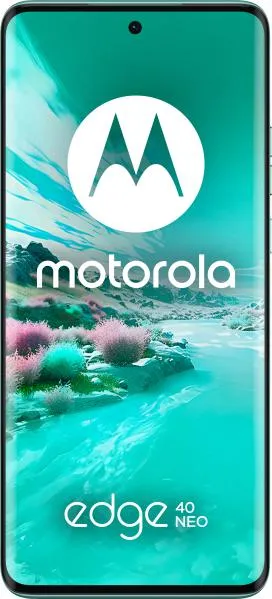
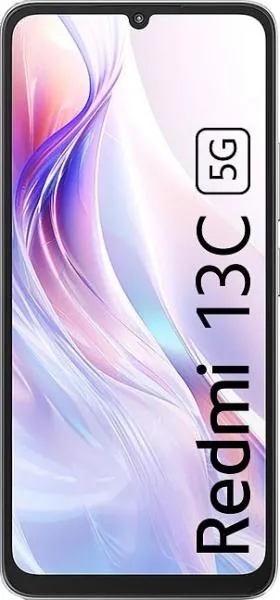
1. Specifications Comparison
| Feature | Motorola Edge 40 Neo | Xiaomi Redmi 13C 5G | Practical Impact |
|---|---|---|---|
| Design | |||
| Dimensions | 159.6 x 72 x 7.9 mm | 168 x 78 x 8.1 mm | The Motorola is significantly more compact and easier to handle one-handed. |
| Weight | 170g | 192g | The Motorola feels noticeably lighter in hand. |
| Build Materials | Not specified | Not specified | Cannot compare build quality and durability without more information. |
| Display | |||
| Display Type | P-OLED, 1B colors | IPS LCD | The Motorola's OLED offers richer blacks, more vibrant colors, and better power efficiency. |
| Display Size | 6.55" | 6.74" | The Xiaomi offers a slightly larger screen for media consumption, but may be less comfortable for one-handed use. |
| Resolution | 1080 x 2400 (FHD+) | 720 x 1600 (HD+) | The Motorola's higher resolution provides sharper text and images. |
| Refresh Rate | 144Hz | 90Hz | The Motorola's higher refresh rate results in smoother animations and scrolling. |
| Peak Brightness | 1300 nits | 600 nits (HBM) | The Motorola will be significantly more visible in direct sunlight. |
| Performance | |||
| Chipset | MediaTek Dimensity 7030 (6nm) | MediaTek Dimensity 6100+ (6nm) | While both use a 6nm process, benchmarks would be needed to compare real-world performance differences. |
| CPU | Octa-core (2x2.5 GHz A78 & 6x2.0 GHz A55) | Octa-core (2x2.2 GHz A76 & 6x2.0 GHz A55) | The architectural differences in CPU cores (A78 vs A76) suggest the Motorola might have a slight performance edge, but real-world usage could vary. |
| GPU | Mali-G610 MC3 | Mali-G57 MC2 | The Motorola likely has a more powerful GPU, leading to better gaming performance. |
| RAM/Storage | 12GB/256GB | 6GB/128GB | The Motorola offers significantly more RAM and storage for multitasking and storing files. |
| Camera | |||
| Video Capabilities | 4K@30fps, various 1080p options with EIS | 1080p@30fps | The Motorola offers superior video recording capabilities with 4K resolution and various frame rates including slow-motion options with Electronic Image Stabilization (EIS). |
| Specific sensor details | Missing for both | Missing for both | Cannot compare camera quality without detailed sensor information (e.g., megapixels, aperture). |
| Battery | |||
| Capacity | 5000 mAh | 5000 mAh | Similar battery capacities suggest comparable battery life, but real-world usage depends on other factors. |
2. Key Differences Analysis
Motorola Edge 40 Neo Advantages:
- Superior Display: Higher resolution, refresh rate, peak brightness, and OLED technology offer a dramatically better visual experience.
- More Powerful: Likely faster CPU and significantly better GPU for smoother performance and gaming.
- More RAM and Storage: Provides smoother multitasking and ample space for apps and files.
- Better Video Recording: 4K resolution and various slow-motion options.
- More Compact Design: Easier to handle and carry.
Xiaomi Redmi 13C 5G Advantages:
- Potentially Lower Price: While both are mid-range, the Redmi series is often priced very competitively.
- Slightly Larger Display: Might be preferred by users who prioritize screen real estate for media consumption.
3. User Profiles & Recommendations
Motorola Edge 40 Neo: Suitable for users who prioritize display quality, performance, a compact form factor, and a smooth user experience. Ideal for gaming, media consumption, and demanding tasks.
Xiaomi Redmi 13C 5G: Best suited for budget-conscious users who prioritize basic functionality and a large screen. Ideal for casual use, web browsing, and less demanding tasks.
4. Decision Framework
Key Questions:
- What is your budget? The Redmi is likely more affordable.
- What is your primary use case? Gaming and media consumption favor the Motorola.
- Do you prioritize display quality and performance or affordability and a large screen?
Scenario-Based Recommendations:
- Gamer: Motorola Edge 40 Neo
- Heavy media consumer: Motorola Edge 40 Neo
- Budget-conscious user: Xiaomi Redmi 13C 5G
- User who prioritizes one-handed usability: Motorola Edge 40 Neo
My Choice: Motorola Edge 40 Neo
The Motorola Edge 40 Neo offers a significantly better overall package. The superior display, likely faster performance, more RAM and storage, better video recording capabilities, and more compact design make it a clear winner for me. While the Xiaomi Redmi 13C 5G might be cheaper, the compromises in display quality, performance, and features are too significant to ignore. I value a smooth, responsive user experience and a high-quality display, making the Motorola the preferred choice despite the potential price difference. The lack of detailed camera specifications makes a complete comparison difficult, but the Motorola's clear advantages in other areas outweigh this limitation.
