1. Specifications Comparison
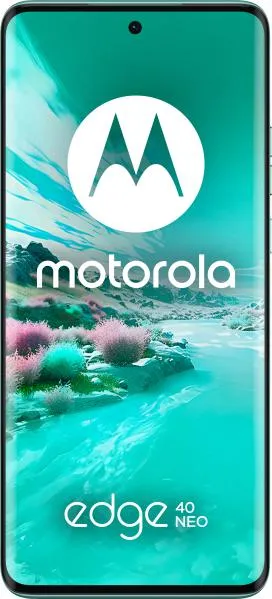
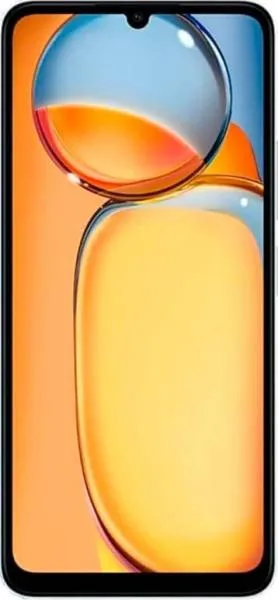
| Feature | Motorola Edge 40 Neo | Xiaomi Redmi 13C | Practical Impact |
|---|---|---|---|
| Design | |||
| Dimensions | 159.6 x 72 x 7.9 mm | 168 x 78 x 8.1 mm | The Edge 40 Neo is noticeably smaller and thinner, making it more pocketable and comfortable for one-handed use. |
| Weight | 170g | 192g | The Edge 40 Neo is lighter, reducing hand fatigue during extended use. |
| Fingerprint Sensor | Under-display | Side-mounted | Preference-based, but under-display is often considered more modern. |
| Display | |||
| Display Type | P-OLED, 1B colors | IPS LCD | The Edge 40 Neo's OLED offers deeper blacks, more vibrant colors, and better power efficiency. |
| Resolution | 1080 x 2400 | 720 x 1600 | The Edge 40 Neo has a significantly sharper display, resulting in clearer text and images. |
| Refresh Rate | 144Hz | 90Hz | The Edge 40 Neo's higher refresh rate provides smoother scrolling and animations, particularly noticeable in games and fast-paced content. |
| Peak Brightness | 1300 nits | 600 nits (HBM) | The Edge 40 Neo will be much more readable in direct sunlight. |
| Performance | |||
| Chipset | MediaTek Dimensity 7030 (6nm) | Mediatek Helio G85 (12nm) | The Dimensity 7030 is built on a more advanced process, leading to better performance and power efficiency. |
| CPU | Octa-core (2x2.5 GHz Cortex-A78 & 6x2.0 GHz Cortex-A55) | Octa-core (2x2.0 GHz Cortex-A75 & 6x1.8 GHz Cortex-A55) | The Edge 40 Neo has faster and more modern CPU cores, translating to quicker app loading and multitasking. |
| GPU | Mali-G610 MC3 | Mali-G52 MC2 | The Edge 40 Neo offers a more powerful GPU, resulting in smoother gaming performance. |
| RAM/Storage | 256GB/12GB | 128GB/6GB RAM, 256GB/8GB RAM | The Edge 40 Neo provides a more generous RAM configuration for better multitasking. |
| Camera | |||
| Video Capabilities | Up to 4K@30fps, 1080p@240fps | 1080p@30fps | The Edge 40 Neo offers significantly better video recording capabilities, including 4K resolution and slow-motion recording. Missing detailed camera specs limit a full comparison. |
| Battery | |||
| Capacity | 5000 mAh | 5000 mAh | Similar battery capacities suggest comparable battery life, but real-world usage will depend on other factors like display and chipset efficiency. |
2. Key Differences Analysis
Motorola Edge 40 Neo Advantages:
- Superior Display: Significantly sharper, smoother, brighter, and more vibrant due to the OLED technology and higher resolution and refresh rate.
- Better Performance: Faster processor and GPU for smoother gaming and multitasking.
- More Premium Design: Slimmer, lighter, and features an under-display fingerprint sensor.
- Enhanced Video Recording: Supports 4K resolution and high frame rate slow-motion.
Xiaomi Redmi 13C Advantages:
- Lower Price: Positioned in the low price range, offering a more budget-friendly option.
- Storage Options: Provides variants with different RAM and storage configurations, allowing for more flexibility in choosing the right fit.
3. User Profiles & Recommendations
Motorola Edge 40 Neo: Ideal for users who prioritize display quality, performance, and a premium feel. Suitable for gaming, media consumption, and demanding tasks.
Xiaomi Redmi 13C: Best suited for budget-conscious users who prioritize basic functionality and affordability over high-end features. Suitable for everyday tasks like calling, texting, browsing, and social media.
4. Decision Framework
Key Questions for Buyers:
- What is your budget? The Redmi 13C is significantly cheaper.
- What are your performance expectations? The Edge 40 Neo offers a considerable performance advantage.
- How important is display quality? The Edge 40 Neo's OLED display is far superior.
Scenario-Based Recommendations:
- Tight Budget: Redmi 13C
- Gaming Enthusiast: Edge 40 Neo
- Media Consumption Focus: Edge 40 Neo
My Choice: Motorola Edge 40 Neo
While the Redmi 13C offers excellent value for its price, the Motorola Edge 40 Neo is the clear winner for me. The significantly better display, superior performance, and more refined design outweigh the price difference. The smoother 144Hz refresh rate, brighter OLED screen, and faster processor would provide a much more enjoyable user experience for my daily use, which includes gaming, media consumption, and productivity tasks. The slightly higher price is a worthwhile investment for the long-term satisfaction offered by the Edge 40 Neo's superior features.
