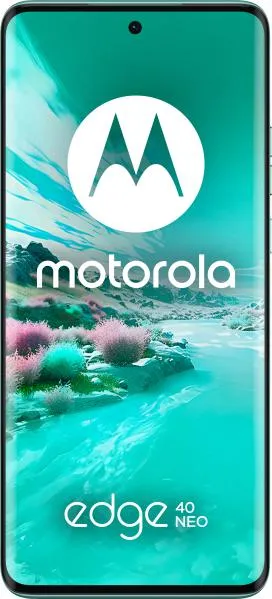
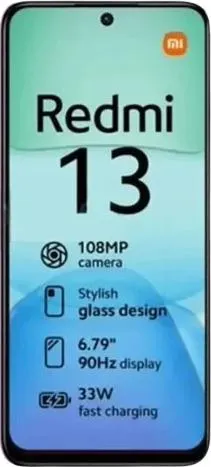
1. Specifications Comparison
| Feature | Motorola Edge 40 Neo | Xiaomi Redmi 13 | Practical Impact |
|---|---|---|---|
| Design | |||
| Dimensions | 159.6 x 72 x 7.9 mm | 168.6 x 76.3 x 8.3 mm | Redmi 13 is noticeably larger and thicker. Neo is more pocketable and easier to handle one-handed. |
| Weight | 170g | 205g | Redmi 13 is significantly heavier, potentially causing fatigue during extended use. |
| Fingerprint Sensor | Under-display | Side-mounted | Preference-based, but under-display is often perceived as more modern. |
| Display | |||
| Display Type | P-OLED, 1B colors, HDR10+ | IPS LCD | Neo offers significantly better contrast, deeper blacks, and more vibrant colors due to OLED technology. |
| Display Size | 6.55" | 6.79" | Redmi 13 offers a larger screen for media consumption, but may be less comfortable for one-handed use. |
| Refresh Rate | 144Hz | 90Hz | Neo provides a smoother and more responsive user experience, especially noticeable in gaming and scrolling. |
| Peak Brightness | 1300 nits | 550 nits (HBM) | Neo will be significantly more readable in direct sunlight. |
| Performance | |||
| Chipset | MediaTek Dimensity 7030 (6nm) | Mediatek Helio G91 Ultra (12nm) | Dimensity 7030 is likely more power-efficient due to the smaller manufacturing process. Performance differences require further benchmarking. |
| CPU | Octa-core (2x2.5 GHz Cortex-A78 & 6x2.0 GHz Cortex-A55) | Octa-core (2x2.0 GHz Cortex-A75 & 6x1.8 GHz Cortex-A55) | Neo likely offers a performance advantage with faster prime cores (Cortex-A78 vs A75), benefitting demanding tasks. |
| GPU | Mali-G610 MC3 | Mali-G52 MC2 | G610 offers better gaming performance compared to G52. |
| RAM | 12GB | 8GB | Neo provides more RAM for multitasking and smoother performance with multiple apps open. |
| Camera | |||
| Video Capabilities | Up to 4K@30fps, 1080p@240fps | 1080p@30fps | Neo offers significantly more versatile video recording options, including 4K resolution and high frame rate slow-motion. Missing details about Redmi 13's photo capabilities prevent full comparison. |
| Battery | |||
| Capacity | 5000 mAh | 5030 mAh | Negligible difference in battery capacity. Real-world battery life will depend on software optimization and usage patterns. |
2. Key Differences Analysis
Motorola Edge 40 Neo Advantages:
- Superior Display: OLED with higher resolution, refresh rate, and peak brightness. Results in a significantly better visual experience.
- Smoother Performance: Higher refresh rate display and potentially faster processor/GPU combo. Offers more responsive user experience.
- More Versatile Camera: Supports 4K recording and high frame rate slow-motion. Provides more flexibility for content creation.
- More Compact Design: Lighter and smaller, easier for one-handed use and portability.
Xiaomi Redmi 13 Advantages:
- Lower Price: Positioned in the low price range, offering potentially better value for budget-conscious users.
- Slightly Larger Battery: Marginally larger battery capacity, but real-world difference may be insignificant.
- Newer Android Version: Ships with Android 14, offering potentially newer features and longer software support. However, Motorola promises an update to Android 15.
3. User Profiles & Recommendations
Motorola Edge 40 Neo: Users who prioritize display quality, smooth performance, a compact design, and versatile camera features. Ideal for mobile gaming, media consumption, and content creation.
Xiaomi Redmi 13: Budget-conscious users who prioritize affordability over premium features. Suitable for basic tasks like calling, texting, browsing, and social media.
4. Decision Framework
Key Questions for Buyers:
- What is your budget? The Redmi 13 is significantly cheaper.
- What are your priorities? Display, performance, camera, or battery life?
- What is your typical usage? Gaming, media consumption, basic tasks?
My Choice: Motorola Edge 40 Neo
While the Redmi 13 offers a lower price point, the Motorola Edge 40 Neo provides significantly more value for the likely price difference. The superior display (OLED, 144Hz, HDR10+), smoother performance (faster processor and more RAM), more versatile camera, and more compact design make it a much more compelling device for a wider range of users. The benefits in daily usage from the superior display and performance alone would outweigh the price difference for me. The Redmi 13 might be a suitable option for extremely budget-conscious buyers who prioritize basic functionality above all else, but the Neo offers a significantly better overall user experience.
