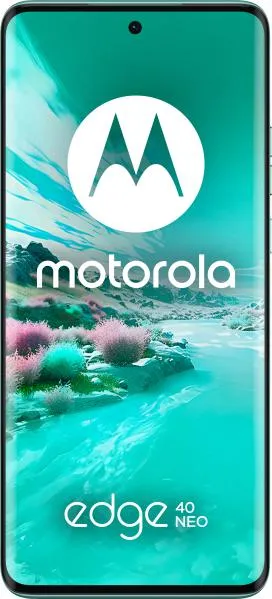
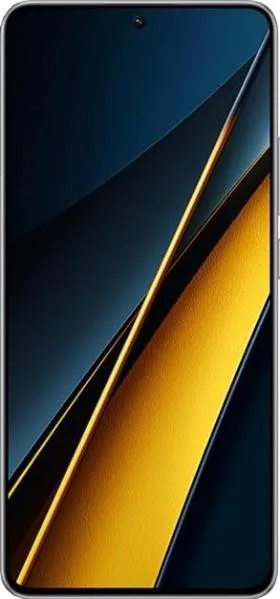
1. Specifications Comparison
| Feature | Motorola Edge 40 Neo | Xiaomi Poco X6 Pro | Practical Impact |
|---|---|---|---|
| Design | |||
| Dimensions | 159.6 x 72 x 7.9 mm | 160.5 x 74.3 x 8.3 mm | Poco X6 Pro is slightly larger and thicker. |
| Weight | 170g | 186g | Edge 40 Neo is noticeably lighter, improving one-handed use. |
| Display | |||
| Size | 6.55" | 6.67" | Poco X6 Pro offers a slightly larger screen for more immersive content. |
| Type | P-OLED, 1B colors, 144Hz, HDR10+ | AMOLED, 68B colors, 120Hz, HDR10+, Dolby Vision | Both offer excellent displays. Poco X6 Pro boasts more colors and Dolby Vision, potentially offering richer visuals; Edge 40 Neo has a higher refresh rate for smoother animations, especially in gaming. |
| Peak Brightness | 1300 nits | 1800 nits | Poco X6 Pro should be significantly brighter in direct sunlight. |
| Resolution | 1080 x 2400 | 1220 x 2712 | Poco X6 Pro has a sharper display due to higher resolution and pixel density. |
| Performance | |||
| Chipset | MediaTek Dimensity 7030 (6 nm) | Mediatek Dimensity 8300 Ultra (4 nm) | Poco X6 Pro's more advanced and efficient chipset should deliver significantly better performance in demanding tasks and gaming. |
| CPU | Octa-core (2x2.5 GHz Cortex-A78 & 6x2.0 GHz Cortex-A55) | Octa-core (1x3.35 GHz Cortex-A715 & 3x3.20 GHz Cortex-A715 & 4x2.20 GHz Cortex-A510) | Poco X6 Pro's CPU architecture is more powerful and modern, resulting in faster processing speeds. |
| GPU | Mali-G610 MC3 | Mali G615-MC6 | Poco X6 Pro's GPU should offer better gaming performance. |
| RAM | 12GB | 12GB | Both phones offer ample RAM for multitasking. |
| Storage | 256GB | 256GB/512GB | Poco X6 Pro offers a 512GB storage option for users needing more space. |
| Battery | |||
| Capacity | 5000 mAh | 5000 mAh | Similar battery capacities suggest comparable battery life, although real-world usage will vary based on chipset efficiency and software optimization. |
| Camera | |||
| Video Capabilities | Up to 4K@30fps, 1080p@240fps | Up to 4K@30fps | Both can record 4K video; Edge 40 Neo offers higher frame rates at 1080p for slow-motion recording. Missing details on photo capabilities prevent a complete comparison. |
| Software | |||
| OS | Android 13 | Android 14 | Poco X6 Pro ships with a newer Android version, offering potential features and security updates. |
2. Key Differences Analysis
Motorola Edge 40 Neo Advantages:
- Lighter and more compact: Easier for one-handed use and portability.
- Higher refresh rate display: Smoother scrolling and animations, beneficial for gaming.
Xiaomi Poco X6 Pro Advantages:
- More powerful processor and GPU: Significantly better performance for demanding tasks and gaming.
- Sharper and brighter display: More immersive media consumption experience.
- More storage options: Caters to users with high storage demands.
- Newer Android version: Access to the latest features and longer software support.
3. User Profiles & Recommendations
Motorola Edge 40 Neo: Suitable for users prioritizing a lightweight and compact phone with a smooth display. Good for casual gaming and everyday tasks, but not ideal for demanding applications or heavy multitasking.
Xiaomi Poco X6 Pro: Best for users who value performance, a vibrant display, and ample storage. Ideal for mobile gamers, content creators, and power users.
4. Decision Framework
Key Questions for Buyers:
- What is your budget? Both are mid-range, but price differences might exist.
- What are your primary use cases? (e.g., gaming, photography, social media)
- Do you prioritize portability and one-handed use or raw performance and a larger screen?
Scenario-Based Recommendations:
- Gamer: Poco X6 Pro for its superior performance.
- Casual User: Edge 40 Neo for its lighter weight and smooth display if the price is significantly lower.
- Power User: Poco X6 Pro for its performance, storage, and newer OS.
My Choice: Xiaomi Poco X6 Pro
While the Motorola Edge 40 Neo offers a compelling combination of lightness and a smooth display, the Xiaomi Poco X6 Pro is the superior device overall. Its significantly more powerful processor, sharper and brighter display, and newer Android version make it a future-proof choice. The extra weight is a minor trade-off for the substantial performance gains. The availability of a 512GB storage option also caters to users with large storage needs. Although lacking complete camera specifications, the core advantages of the Poco X6 Pro make it a clear winner for most users. I value performance and longevity in a device, making the Poco X6 Pro the better option for me.
