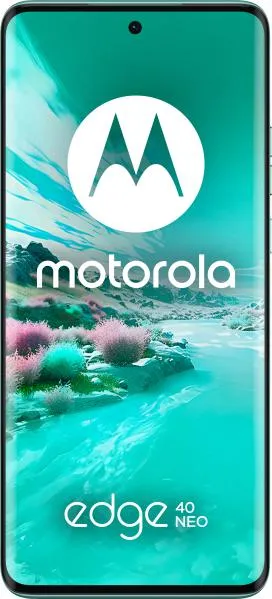
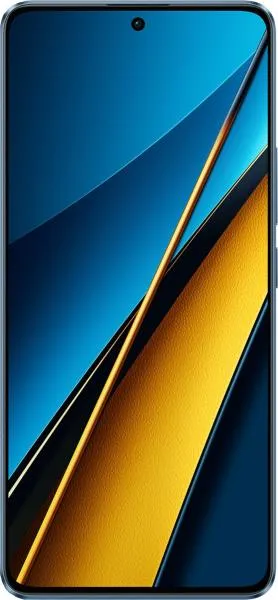
1. Specifications Comparison
| Feature | Motorola Edge 40 Neo | Xiaomi Poco X6 | Practical Impact |
|---|---|---|---|
| Design | |||
| Dimensions | 159.6 x 72 x 7.9 mm | 161.2 x 74.3 x 8 mm | Poco X6 is slightly larger and heavier. Neo feels more compact in hand. |
| Weight | 170g | 181g | Noticeable weight difference; Neo is more comfortable for extended use. |
| Build | Not specified | Not specified | Build quality and materials unknown; impacts durability and premium feel. |
| Display | |||
| Size | 6.55" | 6.67" | Poco X6 offers a larger screen for media consumption. |
| Type | P-OLED | AMOLED | Both offer vibrant colors and deep blacks. Practical difference negligible for most users. |
| Resolution | 1080 x 2400 | 1220 x 2712 | Poco X6 has a sharper display due to higher resolution and pixel density. |
| Refresh Rate | 144Hz | 120Hz | Neo's higher refresh rate results in smoother scrolling and animations, especially noticeable in gaming. |
| Peak Brightness | 1300 nits | 1800 nits | Poco X6 is significantly brighter outdoors. |
| Performance | |||
| Chipset | MediaTek Dimensity 7030 (6nm) | Qualcomm Snapdragon 7s Gen 2 (4nm) | Snapdragon 7s Gen 2 generally offers better performance and efficiency due to newer node. |
| CPU | Octa-core (2x2.5 GHz A78 & 6x2.0 GHz A55) | Octa-core (4x2.4 GHz A78 & 4x1.95 GHz A55) | Snapdragon 7s Gen 2's CPU configuration suggests better multi-core performance. |
| GPU | Mali-G610 MC3 | Adreno 710 | Adreno 710 generally provides superior gaming performance. |
| RAM | 12GB | 12GB | Both offer ample RAM for multitasking. |
| Storage | 256GB | 256GB/512GB | Poco X6 offers a 512GB storage option for users needing more space. |
| Camera | |||
| Rear Camera | Not specified | Not specified | Camera quality and features cannot be compared without detailed sensor and lens information. |
| Video | Up to 4K@30fps, 1080p@240fps | Up to 4K@30fps, 1080p@60fps | Neo offers higher slow-motion video recording capabilities. |
| Battery | |||
| Capacity | 5000 mAh | 5100 mAh | Negligible difference in battery capacity. Real-world battery life depends on optimization and usage. |
2. Key Differences Analysis
Motorola Edge 40 Neo Advantages:
- Higher Refresh Rate Display: Smoother user experience, especially for gaming.
- More Compact and Lighter: More comfortable for one-handed use and extended periods.
- Higher Slow-Motion Video Recording: Captures smoother slow-motion footage.
Xiaomi Poco X6 Advantages:
- Sharper and Brighter Display: More immersive media consumption and better outdoor visibility.
- More Powerful Chipset: Better overall performance for demanding tasks and gaming.
- Larger Storage Option: Accommodates more apps, photos, and videos.
3. User Profiles & Recommendations
Motorola Edge 40 Neo: Users prioritizing a smooth display, compact form factor, and affordability. Ideal for web browsing, social media, casual gaming, and everyday tasks.
Xiaomi Poco X6: Users who value a large, sharp display, powerful performance, and ample storage. Suitable for demanding gaming, media consumption, multitasking, and content creation.
4. Decision Framework
Key Questions for Buyers:
- Display Priority: Do you prioritize smoothness (higher refresh rate) or sharpness and brightness?
- Performance Needs: Do you require high performance for demanding tasks and gaming?
- Size and Weight Preference: Do you prefer a compact and lightweight phone or a larger screen?
Scenario-Based Recommendations:
- Gamer on a Budget: Motorola Edge 40 Neo for its 144Hz display.
- Power User: Xiaomi Poco X6 for its powerful chipset and sharp display.
My Choice: Xiaomi Poco X6
While the Motorola Edge 40 Neo offers a compelling combination of smoothness and compactness, the Xiaomi Poco X6's superior performance, sharper display, and brighter screen are more important to me. The Snapdragon 7s Gen 2 provides a noticeable performance boost for demanding tasks and gaming. The brighter display is crucial for outdoor use, and the sharper resolution enhances media consumption. Although slightly larger and heavier, the Poco X6's overall package offers greater value for my needs. The potential for longer software updates (Android 16 vs 15) is also a significant factor. Lack of detailed camera specs makes a complete judgement difficult, but based on available information, the Poco X6 is the more compelling device.
