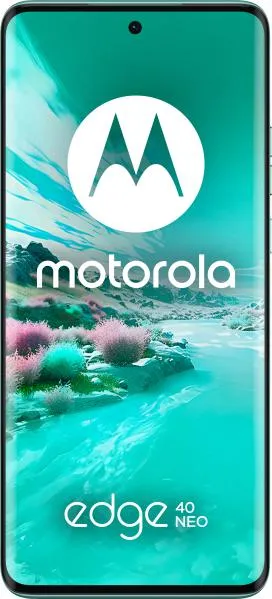
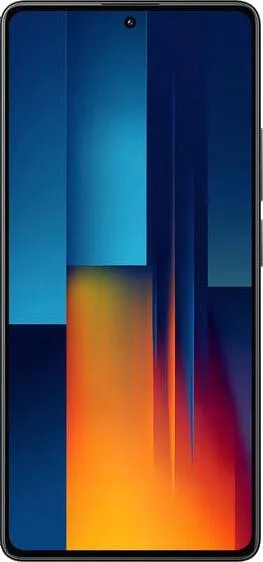
1. Specifications Comparison
| Feature | Motorola Edge 40 Neo | Xiaomi Poco M6 Pro | Practical Impact |
|---|---|---|---|
| Design | |||
| Dimensions | 159.6 x 72 x 7.9 mm | 161.1 x 75 x 8 mm | The Motorola is noticeably smaller and thinner, making it more pocketable and easier to handle. |
| Weight | 170g | 179g | While the weight difference is minimal, the Motorola feels lighter in hand. |
| Display | |||
| Display Type | P-OLED | AMOLED | Both offer vibrant colors and deep blacks. P-OLED potentially allows for more power efficiency. |
| Size | 6.55" | 6.67" | The Poco M6 Pro offers a slightly larger screen for media consumption. |
| Resolution | 1080 x 2400 | 1080 x 2400 | Identical resolution results in similar sharpness on both devices. |
| Refresh Rate | 144Hz | 120Hz | The Motorola's higher refresh rate provides smoother scrolling and animations, especially noticeable in gaming and fast-paced UI interactions. |
| Peak Brightness | 1300 nits | 1300 nits | Both offer excellent outdoor visibility. |
| Performance | |||
| Chipset | MediaTek Dimensity 7030 (6nm) | Mediatek Helio G99 Ultra | The Dimensity 7030 generally offers better performance and efficiency compared to the Helio G99. |
| CPU | Octa-core (2x2.5 GHz Cortex-A78 & 6x2.0 GHz Cortex-A55) | Octa-core (2x2.2 GHz Cortex-A76 & 6x2.0 GHz Cortex-A55) | The Motorola's CPU cores are clocked slightly higher potentially resulting in quicker app launches and multitasking. |
| GPU | Mali-G610 MC3 | Mali-G57 MC2 | The Mali-G610 offers significantly better graphics performance for demanding games. |
| RAM | 12GB | 12GB | Both have ample RAM for smooth multitasking. |
| Storage | 256GB | 512GB | The Poco M6 Pro offers double the storage, beneficial for users who store large files or many apps. |
| Camera | |||
| Video Capabilities | 4K@30fps, various slow-motion options | 1080p@30/60fps | The Motorola offers superior video recording capabilities with 4K resolution and diverse slow-motion options. Information regarding specific camera sensors and image quality is missing. |
| Battery | |||
| Capacity | 5000 mAh | 5000 mAh | Identical battery capacity suggests similar battery life, although real-world usage will vary depending on other factors. |
2. Key Differences Analysis
Motorola Edge 40 Neo Advantages:
- Superior Display: Smoother 144Hz refresh rate.
- Better Performance: More powerful chipset and GPU for smoother gaming and faster app loading.
- More Compact Design: Easier to handle and carry.
- Advanced Video Recording: 4K recording and various slow-motion options.
Xiaomi Poco M6 Pro Advantages:
- Larger Storage: Double the storage capacity for more files and apps.
- Potentially Lower Price: Although both are mid-range, the Poco M6 Pro might be priced lower given its older processor.
Trade-offs:
- The Motorola sacrifices storage capacity for performance and a more compact design.
- The Poco M6 Pro prioritizes storage and potentially price over performance and display smoothness.
3. User Profiles & Recommendations
Motorola Edge 40 Neo: Suited for users who prioritize performance, a smooth display, a compact design, and good video recording capabilities. Ideal for gamers, content creators, and those who value a premium feel.
Xiaomi Poco M6 Pro: Best for users who need ample storage for media and apps and are on a tighter budget. Suitable for general use, media consumption, and less demanding tasks.
4. Decision Framework
Key Questions:
- Is performance and a smooth display a priority? If yes, the Motorola is the better choice.
- How important is storage capacity? If needing a lot of storage, the Poco M6 Pro is preferred.
- What is your budget? While both are mid-range, the Poco M6 Pro might offer better value if priced significantly lower.
Scenario-Based Recommendations:
- Gamer: Motorola Edge 40 Neo for its superior performance and 144Hz display.
- Casual User: Poco M6 Pro if storage is a primary concern and budget is limited.
- Content Creator: Motorola Edge 40 Neo for its 4K video recording.
My Choice: Motorola Edge 40 Neo
While the Poco M6 Pro offers double the storage, the Motorola Edge 40 Neo's superior performance, smoother 144Hz display, more compact design, and advanced video recording capabilities are more appealing to me. I prioritize a fluid user experience and a comfortable in-hand feel. The performance difference between the Dimensity 7030 and the Helio G99 is significant enough to justify the choice, even with less storage. I can always utilize cloud storage or external storage options if needed. The smaller form factor is also a big plus for daily usability.
