1. Specifications Comparison
| Feature | Motorola Edge 40 Neo | Xiaomi Poco M6 4G | Practical Impact |
|---|---|---|---|
| Design | |||
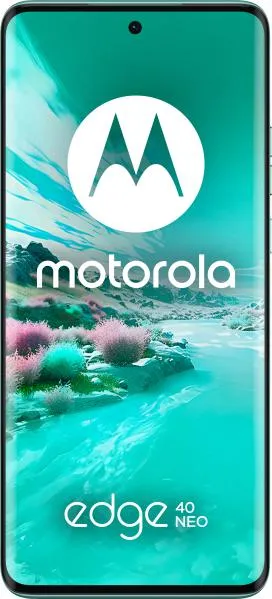
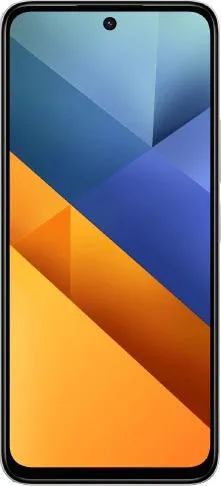
| Dimensions | 159.6 x 72 x 7.9 mm | 168.6 x 76.3 x 8.3 mm | The Motorola is significantly smaller and thinner, making it more pocketable and easier to handle one-handed. |
| Weight | 170g | 205g | The Motorola is noticeably lighter, reducing hand fatigue during extended use. |
| Build Materials | Not specified | Not specified | Cannot compare build quality and durability without material information. |
| Display | |||
| Display Type | P-OLED, 1B colors, 144Hz, HDR10+ | IPS LCD, 90Hz | The Motorola's P-OLED offers deeper blacks, more vibrant colors, and HDR support for superior visual quality. The 144Hz refresh rate provides a smoother, more responsive experience compared to the Poco's 90Hz. |
| Size | 6.55" | 6.79" | The Poco offers a slightly larger screen for more immersive content consumption, but may be less comfortable for one-handed use. |
| Resolution | 1080 x 2400 | 1080 x 2460 | Both offer similar sharpness; the difference is negligible. |
| Peak Brightness | 1300 nits | 550 nits (HBM) | The Motorola's significantly higher peak brightness ensures excellent outdoor visibility, even in direct sunlight. |
| Performance | |||
| Chipset | MediaTek Dimensity 7030 (6 nm) | Mediatek Helio G91 Ultra (12 nm) | Dimensity 7030 is likely more power efficient due to smaller node size. Performance differences need further benchmarking analysis, though the newer architecture of Dimensity 7030 could provide some advantages. |
| CPU | Octa-core (2x2.5 GHz Cortex-A78 & 6x2.0 GHz Cortex-A55) | Octa-core (2x2.0 GHz Cortex-A75 & 6x1.8 GHz Cortex-A55) | The Motorola likely has a slight performance edge due to faster prime cores (Cortex-A78 vs A75). |
| GPU | Mali-G610 MC3 | Mali-G52 MC2 | The Motorola's GPU is newer and likely offers better gaming performance. |
| RAM | 12GB | 8GB | The Motorola's larger RAM allows for smoother multitasking and less frequent app reloading. |
| Storage | 256GB | 256GB | Both offer the same storage capacity. |
| Camera | |||
| Video Capabilities | 4K@30fps (EIS), 1080p@ various fps (EIS) | 1080p@30fps | The Motorola offers significantly more versatile video recording options, including 4K resolution and various frame rates with Electronic Image Stabilization (EIS). Detailed camera sensor specifications are needed for a comprehensive comparison. |
| Battery | |||
| Capacity | 5000 mAh | 5030 mAh | Negligible difference in battery capacity. Real-world battery life will depend on factors like display, chipset efficiency, and software optimization. |
2. Key Differences Analysis
Motorola Edge 40 Neo Advantages:
- Superior Display: Brighter, smoother, and with better color reproduction due to P-OLED technology and 144Hz refresh rate.
- More Compact and Lightweight: Easier to handle and carry.
- More Powerful and Efficient: Likely offers better performance and battery life due to the Dimensity 7030 chipset.
- Versatile Video Recording: Supports 4K and various frame rates with EIS.
- More RAM: Enables smoother multitasking.
Xiaomi Poco M6 4G Advantages:
- Slightly Larger Display: More immersive for media consumption.
- Lower Price: Offers a more budget-friendly option.
- Newer Android version out of the box: Comes with Android 14 preinstalled
3. User Profiles & Recommendations
Motorola Edge 40 Neo: Suited for users who prioritize a premium display, smooth performance, compact design, and versatile camera features. Ideal for gaming, media consumption on the go, and those who value one-handed usability.
Xiaomi Poco M6 4G: Best for budget-conscious users who prioritize a large screen for media consumption and basic smartphone functionality. Suitable for casual users who are not demanding in terms of performance or camera quality.
4. Decision Framework
Key Questions for Buyers:
- What is your budget? The Poco M6 4G is significantly more affordable.
- What screen size and quality do you prefer? Larger screen vs. superior quality and smoothness.
- What are your performance and camera needs? Casual use vs. demanding tasks and content creation.
Scenario-Based Recommendations:
- Tight Budget, Casual User: Poco M6 4G.
- Prioritize Performance and Display: Motorola Edge 40 Neo.
- Gamer or Power User: Motorola Edge 40 Neo.
My Choice: Motorola Edge 40 Neo
While the Poco M6 4G offers a larger display and a lower price, the Motorola Edge 40 Neo provides a significantly better overall user experience due to its superior display quality (P-OLED, 144Hz, higher brightness), more powerful and efficient chipset, more versatile camera, smoother multitasking capabilities (12GB RAM), and more compact design. The advantages in daily usability and long-term performance outweigh the price difference for me. The significantly brighter display is crucial for outdoor use, and the smoother refresh rate greatly enhances the user experience. The more compact form factor is also a major plus for convenience.
