1. Specifications Comparison
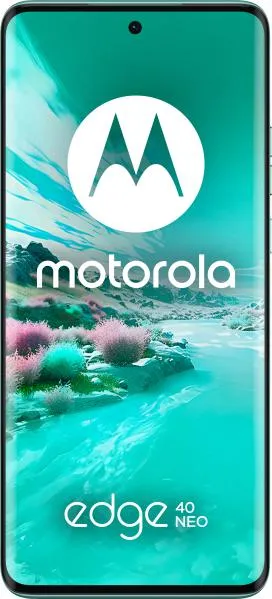
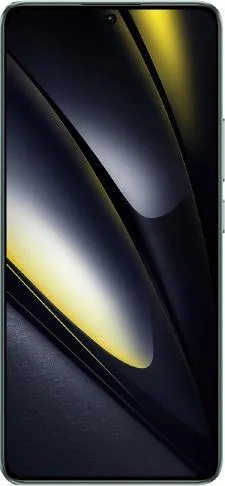
| Feature | Motorola Edge 40 Neo | Xiaomi Poco F6 | Practical Impact |
|---|---|---|---|
| Design | |||
| Dimensions | 159.6 x 72 x 7.9 mm | 160.5 x 74.5 x 8 mm | Poco F6 slightly larger and thicker. Negligible difference in everyday use. |
| Weight | 170g | 179g | Poco F6 slightly heavier, but the difference is minimal. |
| Display | |||
| Size | 6.55" | 6.67" | Poco F6 offers a slightly larger screen for more immersive content consumption. |
| Type | P-OLED, 1B colors, 144Hz | AMOLED, 68B colors, 120Hz | Both offer vibrant displays with high refresh rates for smooth visuals. Poco F6 boasts more color depth (68B vs 1B), potentially resulting in smoother color gradients, though discernible only to trained eyes in specific content. |
| Resolution | 1080 x 2400 | 1220 x 2712 | Poco F6 has a sharper display due to higher resolution and pixel density (446 ppi vs 402 ppi). Noticeable in fine details and text clarity. |
| Peak Brightness | 1300 nits | 2400 nits | Poco F6 significantly brighter, ensuring better visibility outdoors and in bright sunlight. |
| Performance | |||
| Chipset | MediaTek Dimensity 7030 (6 nm) | Qualcomm Snapdragon 8+ Gen 1 (4 nm) | Poco F6 boasts a significantly more powerful processor, translating to much faster performance in demanding tasks, gaming, and multitasking. |
| CPU | Octa-core (2x2.5 GHz Cortex-A78 & 6x2.0 GHz Cortex-A55) | Octa-core (1x3.0 GHz Cortex-X4 & 4x2.8 GHz Cortex-A720 & 3x2.0 GHz Cortex-A520) | Poco F6's CPU architecture is superior, resulting in noticeable performance gains. |
| GPU | Mali-G610 MC3 | Adreno 735 | Poco F6 offers a considerably more powerful GPU, enabling smoother gaming and faster graphics rendering. |
| RAM | 12GB | 12GB | Both phones offer ample RAM for multitasking. |
| Storage | 256GB | 512GB | Poco F6 offers double the storage capacity, beneficial for users who store large files like photos and videos. |
| Battery | |||
| Capacity | 5000 mAh | 5000 mAh | Both have the same battery capacity. Real-world battery life will depend on usage and software optimization. |
| Camera | |||
| Video Capabilities | Up to 4K@30fps | Up to 4K@60fps | Poco F6 supports 4K video recording at 60fps, resulting in smoother and more detailed videos compared to the Edge 40 Neo's 30fps limit at 4K. Both offer extensive slow-motion options. |
| Software | |||
| OS | Android 13 | Android 14 | Poco F6 ships with a newer Android version, potentially offering newer features and longer software support. |
2. Key Differences Analysis
Motorola Edge 40 Neo Advantages:
- 144Hz Refresh Rate: Smoother scrolling and animations compared to 120Hz, although the difference might not be noticeable to all users.
- Potentially Lighter and More Compact: Slight advantage in portability, though the difference is minimal.
- Lower Price: Likely more affordable given the less powerful specifications (price not explicitly stated).
Xiaomi Poco F6 Advantages:
- Significantly More Powerful: Superior CPU and GPU for demanding tasks and gaming.
- Sharper and Brighter Display: Higher resolution, pixel density, and peak brightness for a better viewing experience.
- Double the Storage: More space for apps, photos, and videos.
- Higher Resolution Video Recording: 4K at 60fps for smoother and more detailed videos.
- Newer Android Version: Potentially longer software updates and newer features.
3. User Profiles & Recommendations
Motorola Edge 40 Neo:
- Ideal User: Budget-conscious users who prioritize a smooth display and general everyday performance. Suitable for social media, web browsing, and light gaming.
- Use Cases: Casual gaming, social media browsing, web browsing, media consumption.
Xiaomi Poco F6:
- Ideal User: Power users, gamers, and content creators who demand top-tier performance, a great display, and ample storage.
- Use Cases: Demanding mobile gaming, video editing, multitasking, photography, media consumption.
4. Decision Framework
Key Questions for Buyers:
- What is your budget? The Poco F6 will likely be more expensive.
- What are your primary smartphone usage patterns? For casual use, the Edge 40 Neo might suffice. For demanding tasks, the Poco F6 is superior.
- How important is display quality and brightness? The Poco F6 offers a significant advantage in this area.
My Choice: Xiaomi Poco F6
While the Motorola Edge 40 Neo offers a smooth 144Hz display and a potentially lower price point, the Xiaomi Poco F6 is the clear winner for me. The significantly more powerful processor, sharper and brighter display, double the storage, and capability to record 4K video at 60fps outweigh the minor advantages of the Edge 40 Neo. I prioritize performance, a great display, and future-proofing through a newer Android version, all of which the Poco F6 delivers. The slight increase in size and weight is a negligible trade-off for the substantial performance gains. In the mid-range price bracket, the Poco F6 offers exceptional value for its powerful specifications.
