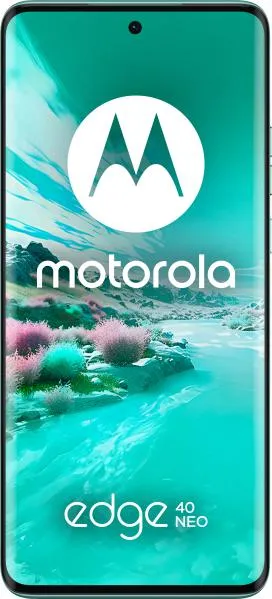
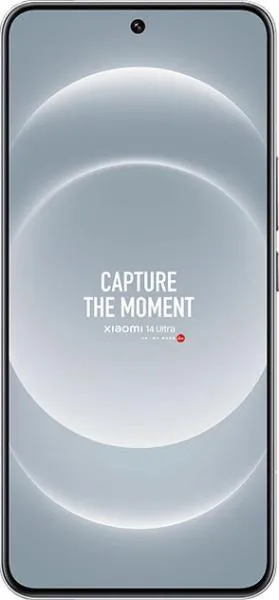
1. Specifications Comparison
| Feature | Motorola Edge 40 Neo | Xiaomi 14 Ultra | Practical Impact |
|---|---|---|---|
| Design | |||
| Dimensions | 159.6 x 72 x 7.9 mm | 161.4 x 75.3 x 9.2 mm | Xiaomi 14 Ultra is larger and thicker. Neo is more pocketable and easier to handle one-handed. |
| Weight | 170g | 229.5g | Significant weight difference. Neo is noticeably lighter for comfortable extended use. Ultra's weight might be fatiguing. |
| Display | |||
| Size | 6.55" | 6.73" | Ultra offers slightly more screen real estate for media consumption. |
| Type | P-OLED, 1B colors | LTPO AMOLED, 68B colors | Both offer excellent color accuracy and deep blacks. Ultra's 68B color support offers a wider color gamut, potentially noticeable to professionals but less so in everyday use. LTPO allows for dynamic refresh rate adjustment, saving battery. |
| Refresh Rate | 144Hz | 120Hz | Neo's higher refresh rate results in smoother scrolling and animations, especially noticeable in gaming. Ultra's LTPO dynamically adjusts the refresh rate, balancing smoothness and battery life. |
| Peak Brightness | 1300 nits | 3000 nits | Ultra significantly brighter, ensuring excellent outdoor visibility even in direct sunlight. Neo's brightness may be insufficient in very bright conditions. |
| Performance | |||
| Chipset | MediaTek Dimensity 7030 (6 nm) | Qualcomm Snapdragon 8 Gen 3 (4 nm) | Ultra has a significantly more powerful processor, resulting in faster app loading, smoother multitasking, and better gaming performance. Neo's chipset is sufficient for everyday tasks but may struggle with demanding applications. |
| RAM | 12GB | 16GB | Ultra has more RAM enabling better multitasking and handling more demanding applications without slowdowns. |
| Storage | 256GB | 512GB | Ultra offers double the storage, beneficial for users who store large files like photos and videos. |
| Camera | |||
| Video | 4K@30fps | Up to 8K@30fps, 4K@120fps, slow-mo up to 1920fps | Ultra offers vastly superior video recording capabilities with higher resolution, frame rates, and slow-motion options. Significant advantage for video enthusiasts. |
| Battery | |||
| Capacity | 5000 mAh | 5000 mAh | Same capacity. Actual battery life depends on usage and optimization; however, the Ultra's more power-efficient chip may offer longer usage. |
2. Key Differences Analysis
Motorola Edge 40 Neo Advantages:
- Lighter and more compact: Significantly easier to handle and carry.
- Higher refresh rate: Smoother scrolling and animations.
- Lower price: Offers excellent value for its specifications (assuming based on "medium price" designation, though specific pricing is lacking).
Xiaomi 14 Ultra Advantages:
- Significantly more powerful processor: Much faster performance for demanding tasks and gaming.
- Brighter display: Superior outdoor visibility.
- More RAM and Storage: Better multitasking and more space for files.
- Superior camera capabilities: Especially for video recording.
- More advanced display technology: LTPO for better power efficiency.
3. User Profiles & Recommendations
Motorola Edge 40 Neo:
- Ideal User: Budget-conscious users who prioritize a lightweight and compact phone with a smooth display for everyday tasks and casual gaming.
- Use Cases: Social media, web browsing, light gaming, casual photography.
Xiaomi 14 Ultra:
- Ideal User: Power users, mobile gamers, photography and videography enthusiasts who demand top-tier performance and features.
- Use Cases: Demanding gaming, professional photography and videography, heavy multitasking, content creation.
4. Decision Framework
Key Questions for Buyers:
- What is your budget? While both are "medium price," the Ultra is likely significantly more expensive.
- What are your primary use cases? (Gaming, photography, everyday tasks)
- Do you prioritize portability and comfort or raw performance and features?
Scenario-Based Recommendations:
- Limited Budget, Everyday Use: Motorola Edge 40 Neo
- Demanding Tasks, Gaming, Content Creation: Xiaomi 14 Ultra
My Choice: Xiaomi 14 Ultra
While the Motorola Edge 40 Neo offers excellent value, the Xiaomi 14 Ultra's superior performance, significantly better camera, brighter display, and larger storage make it the clear winner for me. I prioritize a smooth and powerful user experience, and the Snapdragon 8 Gen 3 chip, coupled with 16GB RAM, ensures exactly that. The advanced camera capabilities are also a significant draw, as I frequently capture photos and videos. The weight difference is notable, but I'm willing to compromise on portability for the significant performance and feature upgrades. While pricing information is absent, even with a likely higher price, the 14 Ultra offers a compelling package for my needs.
