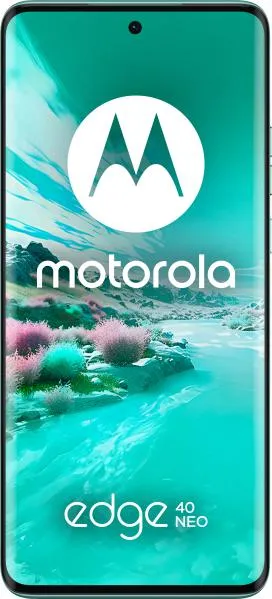
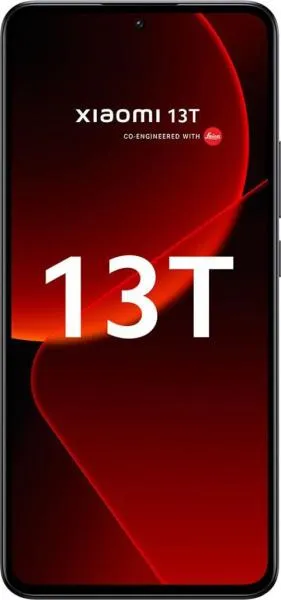
1. Specifications Comparison
| Feature | Motorola Edge 40 Neo | Xiaomi 13T | Practical Impact |
|---|---|---|---|
| Design | |||
| Dimensions | 159.6 x 72 x 7.9 mm | 162.2 x 75.7 x 8.5 mm | The Motorola is noticeably smaller and thinner, making it more pocketable and easier to handle one-handed. The Xiaomi is larger and heavier. |
| Weight | 170g | 219g | Significant weight difference; the Motorola will feel much lighter in hand and less fatiguing to use over extended periods. |
| Display | |||
| Size | 6.55" | 6.67" | Modest size difference, Xiaomi offers slightly larger screen real estate for media consumption. |
| Type | P-OLED | AMOLED | Both offer vibrant colors and deep blacks. Practical differences between P-OLED and AMOLED are generally minimal for average users. |
| Resolution | 1080 x 2400 | 1220 x 2712 | The Xiaomi has a sharper display with higher pixel density (446 ppi vs 402 ppi), resulting in crisper text and images. |
| Refresh Rate | 144Hz | 144Hz | Both offer smooth scrolling and animations. |
| Peak Brightness | 1300 nits | 2600 nits | The Xiaomi offers significantly higher peak brightness, making it much more readable in direct sunlight. |
| Performance | |||
| Chipset | MediaTek Dimensity 7030 (6 nm) | Mediatek Dimensity 8200 Ultra (4 nm) | The Xiaomi features a more powerful and efficient chipset built on a smaller process node. This translates to smoother performance in demanding tasks and potentially better battery life. |
| CPU | Octa-core (2x2.5 GHz Cortex-A78 & 6x2.0 GHz Cortex-A55) | Octa-core (1x3.1 GHz Cortex-A78 & 3x3.0 GHz Cortex-A78 & 4x2.0 GHz Cortex-A55) | The Xiaomi's CPU configuration suggests superior performance, especially in multi-core workloads. |
| GPU | Mali-G610 MC3 | Mali-G610 MC6 | The Xiaomi's GPU boasts more cores, indicating better gaming and graphics performance. |
| RAM | 12GB | 12GB | Both offer ample RAM for multitasking. |
| Storage | 256GB | 256GB | Equivalent storage capacity on both devices. |
| Battery | |||
| Capacity | 5000 mAh | 5000 mAh | Identical battery capacity. However, real-world battery life will depend on factors like software optimization and chipset efficiency. |
2. Key Differences Analysis
Motorola Edge 40 Neo Advantages:
- Significantly lighter and more compact: More comfortable for one-handed use and extended periods.
- Potentially lower price: While not specified, Motorola devices often offer competitive pricing.
Xiaomi 13T Advantages:
- More powerful processor and GPU: Better performance for demanding tasks and gaming.
- Sharper and brighter display: Improved outdoor visibility and media consumption experience.
3. User Profiles & Recommendations
Motorola Edge 40 Neo: Users prioritizing comfort and portability, light users who primarily use their phones for communication, social media, and web browsing. Good for those seeking a more affordable option.
Xiaomi 13T: Users prioritizing performance, gaming enthusiasts, those consuming lots of media, users who need excellent outdoor screen visibility.
4. Decision Framework
Key Questions for Buyers:
- What is your budget?
- What are your primary smartphone usage patterns (gaming, media consumption, basic communication)?
- Do you prioritize portability and comfort or performance and screen quality?
Scenario-Based Recommendations:
- Tight Budget, Light User: Motorola Edge 40 Neo
- Gamer or Power User: Xiaomi 13T
- Outdoor Enthusiast: Xiaomi 13T (due to superior screen brightness)
My Choice: Xiaomi 13T
While the Motorola Edge 40 Neo offers a compelling combination of portability and affordability, the Xiaomi 13T's superior performance, brighter and sharper display, and more powerful chipset make it the better overall choice for me. I value a smooth user experience and frequently use my phone for demanding tasks and media consumption. The extra weight is a minor trade-off for the significant performance gains. The brighter screen is also crucial for outdoor use. While price is a factor, assuming a reasonable price difference, the Xiaomi 13T offers better long-term value due to its superior hardware.
