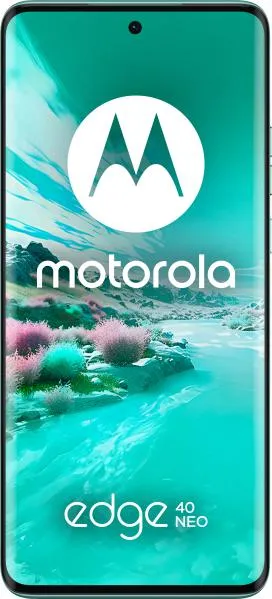

1. Specifications Comparison
| Feature | Motorola Edge 40 Neo | vivo X100 Pro | Practical Impact |
|---|---|---|---|
| Design | |||
| Dimensions | 159.6 x 72 x 7.9 mm | 164.1 x 75.3 x 8.9 mm | The vivo is noticeably larger and thicker. The Motorola will be easier to handle and pocket. |
| Weight | 170g | 221g | Significant weight difference; the Motorola will feel much lighter in hand and more comfortable for extended use. |
| Display | |||
| Size | 6.55" | 6.78" | The vivo offers a larger screen for more immersive media consumption. |
| Type | P-OLED | LTPO AMOLED | Both offer excellent color and contrast. LTPO on the Vivo allows for more granular refresh rate control, potentially saving battery. |
| Refresh Rate | 144Hz | 120Hz | While both are high refresh rate, the Motorola's 144Hz might offer slightly smoother scrolling and animations, though the difference may be imperceptible to some. |
| Peak Brightness | 1300 nits | 3000 nits | The vivo will be significantly more readable in direct sunlight. |
| Resolution | 1080 x 2400 | 1260 x 2800 | The vivo has a sharper display due to higher resolution and pixel density (452 vs 402 ppi). |
| Performance | |||
| Chipset | MediaTek Dimensity 7030 (6nm) | Mediatek Dimensity 9300 (4nm) | The vivo features a significantly more powerful and efficient processor, leading to better performance in demanding tasks and potentially longer battery life. The 4nm process is more advanced than 6nm. |
| CPU | Octa-core (2x2.5 GHz Cortex-A78 & 6x2.0 GHz Cortex-A55) | Octa-core (1x3.25 GHz Cortex-X4 & 3x2.85 GHz Cortex-X4 & 4x2.0 GHz Cortex-A720) | The vivo's CPU boasts much higher clock speeds and a more modern architecture, resulting in significantly faster processing. |
| GPU | Mali-G610 MC3 | Immortalis-G720 MC12 | The vivo offers a considerably more powerful GPU, leading to a much better gaming experience and smoother performance in graphically intensive applications. |
| RAM | 12GB | 16GB | The vivo offers more RAM for better multitasking and app switching performance. |
| Battery | |||
| Capacity | 5000 mAh | 5400 mAh | The vivo has a slightly larger battery capacity, potentially offering longer usage time. However, real-world battery life depends on many factors. |
| Camera | Missing detailed specs | Missing detailed specs | Insufficient information to compare camera quality. We can only compare video capabilities. |
| Video | 4K@30fps, 1080p up to 240fps | 8K@30fps, 4K@60fps | The vivo supports higher resolution video recording (8K) and higher frame rates at 4K. |
2. Key Differences Analysis
Motorola Edge 40 Neo Advantages:
- More Compact and Lighter: Significantly easier to handle and carry.
- Higher Refresh Rate Display (144Hz): Potentially smoother scrolling and animations (though the difference might be negligible for some).
- Potentially Lower Price: Given its positioning, it's likely more affordable.
vivo X100 Pro Advantages:
- Significantly More Powerful: The Dimensity 9300 offers a considerable performance advantage for demanding tasks and gaming.
- Brighter and Sharper Display: Much better outdoor visibility and a more detailed viewing experience.
- Larger Battery: Potential for longer battery life.
- Superior Video Recording Capabilities: Supports 8K recording and higher frame rates at 4K.
- More RAM: Better multitasking performance.
Trade-offs:
- vivo X100 Pro: Larger and heavier, potentially less comfortable for one-handed use. Likely more expensive.
- Motorola Edge 40 Neo: Less powerful, less capable for demanding tasks and gaming. Dimmer display.
3. User Profiles & Recommendations
Motorola Edge 40 Neo: Suitable for users who prioritize a compact and lightweight phone for everyday tasks like browsing, social media, and light gaming. Budget-conscious users will also find it appealing.
vivo X100 Pro: Ideal for users who demand top-tier performance for gaming, demanding applications, and multimedia consumption. Those who prioritize a bright, sharp display and excellent camera capabilities will also prefer this phone.
4. Decision Framework
Key Questions for Buyers:
- What is your budget? The vivo X100 Pro will likely be more expensive.
- What are your primary use cases? (e.g., gaming, photography, social media)
- Do you prioritize portability and one-handed use, or a larger screen and top-tier performance?
My Choice: vivo X100 Pro
While the Motorola Edge 40 Neo offers a compelling combination of compactness and affordability, the vivo X100 Pro's significant performance advantage, brighter and sharper display, and superior video capabilities make it the better choice for me. I prioritize a smooth and powerful user experience, and the Dimensity 9300 chipset coupled with the 120Hz LTPO AMOLED display promises just that. The extra RAM and larger battery are also welcome additions. While the larger size and weight are trade-offs, I find the performance benefits outweigh the slight decrease in portability.
