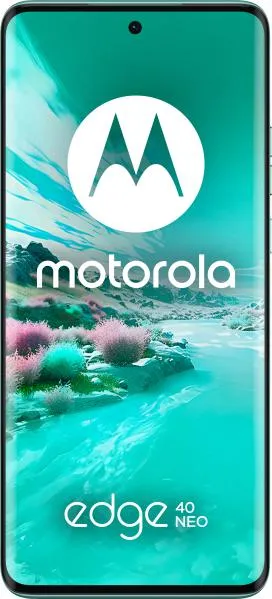

1. Specifications Comparison
| Feature | Motorola Edge 40 Neo | vivo V30 | Practical Impact |
|---|---|---|---|
| Design | |||
| Dimensions | 159.6 x 72 x 7.9 mm | 164.4 x 75.1 x 7.5 mm | The Vivo V30 is noticeably larger and slightly wider. The Motorola is thinner. The Vivo might be less comfortable for one-handed use. |
| Weight | 170g | 186g | The Motorola is lighter, making it more comfortable for extended use. |
| Build Materials | Not specified | Not specified | Cannot compare build quality and durability without material information. |
| Display | |||
| Size | 6.55" | 6.78" | The Vivo V30 offers a larger screen for more immersive media consumption. |
| Type | P-OLED | AMOLED | Both offer vibrant colors and deep blacks. Practical differences between P-OLED and AMOLED are often negligible for average users. |
| Resolution | 1080 x 2400 | 1260 x 2800 | The Vivo V30 has a sharper display due to its higher resolution and pixel density. |
| Refresh Rate | 144Hz | 120Hz | The Motorola offers a smoother scrolling and gaming experience due to its higher refresh rate. However, the difference between 120Hz and 144Hz is less noticeable than the difference between 60Hz and 120Hz. |
| Peak Brightness | 1300 nits | 2800 nits | The Vivo V30 will be significantly more readable in direct sunlight. |
| Performance | |||
| Chipset | MediaTek Dimensity 7030 (6nm) | Qualcomm Snapdragon 7 Gen 3 (4nm) | The Snapdragon 7 Gen 3 in the Vivo V30 is generally considered a more powerful and efficient chip, leading to better performance and potentially longer battery life. |
| CPU | Octa-core (2x2.5 GHz Cortex-A78 & 6x2.0 GHz Cortex-A55) | Octa-core (1x2.63 GHz Cortex-A715 & 3x2.4 GHz Cortex-A715 & 4x1.8 GHz Cortex-A510) | The Snapdragon 7 Gen 3's newer architecture should deliver superior performance in demanding tasks and multitasking. |
| GPU | Mali-G610 MC3 | Adreno 720 | The Adreno 720 in the Vivo V30 generally offers better gaming performance. |
| RAM | 12GB | 8GB | The Motorola offers more RAM, which can improve multitasking and reduce app loading times. However, 8GB is still sufficient for most users. |
| Storage | 256GB | 256GB | Both phones offer the same storage capacity. |
| Battery | |||
| Capacity | 5000mAh | 5000mAh | Both phones have the same battery capacity. Actual battery life will depend on usage and software optimization. |
| Charging Speed | Not specified | Not specified | Cannot compare charging speeds without specific data. |
| Camera | |||
| Video Capabilities | 4K@30fps, 1080p up to 240fps | 4K@30fps, 1080p@30fps | The Motorola offers more versatile video recording options with higher frame rates for slow-motion capture. Specific camera sensor details are missing, limiting a thorough comparison. |
2. Key Differences Analysis
Motorola Edge 40 Neo Advantages:
- Higher Refresh Rate Display: Smoother scrolling and gaming.
- More RAM: Better multitasking.
- More Versatile Slow-Motion Video: More creative video recording options.
- Lighter and Thinner: Enhanced portability and comfort.
vivo V30 Advantages:
- More Powerful Chipset: Better overall performance and efficiency.
- Sharper Display: More detailed visuals.
- Significantly Brighter Display: Excellent outdoor visibility.
- More Recent OS: Potentially longer software support and newer features.
Trade-offs:
- The Motorola prioritizes a smooth display and more RAM but compromises on processing power.
- The Vivo prioritizes performance and display quality but is heavier and larger.
3. User Profiles & Recommendations
Motorola Edge 40 Neo: Ideal for users who prioritize a smooth display experience, gaming on a budget, and value a lightweight phone.
vivo V30: Suitable for users who demand high performance, a vibrant and sharp display for media consumption, and prioritize having the latest software.
4. Decision Framework
Key Questions for Buyers:
- What is your budget? Both are mid-range, but minor price differences might exist.
- What are your primary use cases? Gaming, media consumption, productivity?
- Do you prioritize portability and comfort or performance and display quality?
Scenario-Based Recommendations:
- Gamer on a Budget: Motorola Edge 40 Neo
- Power User: vivo V30
- Outdoor Enthusiast: vivo V30
My Choice: vivo V30
While the Motorola Edge 40 Neo offers a smoother display and more RAM, the vivo V30's superior processor (Snapdragon 7 Gen 3), brighter and sharper display, and more recent operating system make it a more compelling overall package for my needs. The performance difference would be noticeable in day-to-day tasks and future-proofs the device better. The brighter display is crucial for outdoor usage. While I appreciate the lighter weight of the Motorola, the Vivo's larger screen size is preferable for media consumption, which is a priority for me. The slightly heavier weight is a trade-off I'm willing to make for the overall performance and feature set.
