
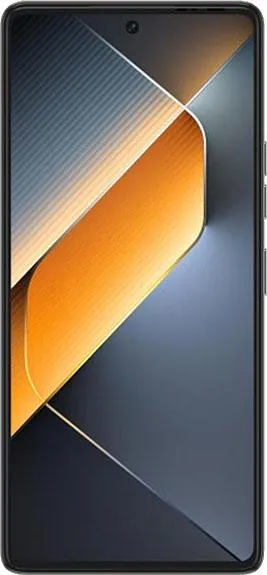
1. Specifications Comparison
| Feature | Motorola Edge 40 Neo | Tecno Pova 6 Pro | Practical Impact |
|---|---|---|---|
| Design | |||
| Dimensions | 159.6 x 72 x 7.9 mm | 165.5 x 76.1 x 7.9 mm | Pova 6 Pro is noticeably larger and wider. Neo is more pocketable and easier to handle with one hand. |
| Weight | 170g | 198g | Neo is significantly lighter, reducing hand fatigue during extended use. |
| Display | |||
| Size | 6.55" | 6.78" | Pova 6 Pro offers a larger screen for more immersive media consumption. Neo is more compact. |
| Type | P-OLED, 1B colors, 144Hz, HDR10+ | AMOLED, 120Hz, | Both offer vibrant displays with high brightness. Neo's 144Hz refresh rate provides smoother animations and scrolling compared to Pova's 120Hz. Neo's HDR10+ support might offer slightly better video quality. |
| Resolution | 1080 x 2400 | 1080 x 2436 | Virtually identical pixel density; sharpness will be indistinguishable in real-world use. |
| Peak Brightness | 1300 nits | 1300 nits | Both offer excellent outdoor visibility. |
| Performance | |||
| Chipset | MediaTek Dimensity 7030 (6nm) | Mediatek Dimensity 6080 (6nm) | Dimensity 7030 generally offers slightly better performance in benchmarks, potentially translating to faster app loading and smoother multitasking. Differences might be minor in everyday use. |
| CPU | Octa-core (2x2.5 GHz Cortex-A78 & 6x2.0 GHz Cortex-A55) | Octa-core (2x2.4 GHz Cortex-A76 & 6x2.0 GHz Cortex-A55) | While both CPUs have similar core configurations, the 7030's higher clock speed on performance cores could provide a slight edge in demanding tasks. |
| GPU | Mali-G610 MC3 | Mali-G57 MC2 | G610 offers noticeably better graphics performance than the G57, resulting in smoother gaming and potentially better performance in graphically intensive applications. |
| RAM | 12GB | 12GB | Equal RAM capacity ensures smooth multitasking on both devices. |
| Storage | 256GB | 256GB | Equal storage capacity. |
| Camera | |||
| Video Capabilities | 4K@30fps, up to 1080p@240fps | 1440p@30fps, 1080p@60fps | Neo offers more versatile video recording options, including 4K and higher frame rates for slow-motion. Lack of detailed camera specs limits a comprehensive comparison. |
| Battery | |||
| Capacity | 5000 mAh | 6000 mAh | Pova 6 Pro's larger battery likely translates to significantly longer battery life. |
2. Key Differences Analysis
Motorola Edge 40 Neo Advantages:
- More compact and lighter: Easier to handle and carry.
- Smoother Display: 144Hz refresh rate provides a more fluid user experience.
- Slightly better performance: Dimensity 7030 and Mali-G610 offer a performance edge in demanding tasks and gaming.
- More versatile video recording: Supports 4K and higher frame rates for slow-motion.
Tecno Pova 6 Pro Advantages:
- Larger Display: More immersive for media consumption.
- Significantly longer battery life: 6000 mAh battery provides extended usage time.
- More recent OS: Ships with Android 14.
3. User Profiles & Recommendations
Motorola Edge 40 Neo: Users who prioritize a compact and lightweight phone with a smooth display and good performance, particularly for gaming. Ideal for one-handed use and portability.
Tecno Pova 6 Pro: Users who prioritize long battery life and a large display for media consumption. Suitable for users who don't heavily game and prefer a larger screen.
4. Decision Framework
Key Questions for Buyers:
- How important is portability and one-handed use?
- How much do you value battery life?
- Is a high refresh rate display a priority?
Scenario-Based Recommendations:
- Heavy gamer with limited budget: Motorola Edge 40 Neo.
- Power user who needs all-day battery: Tecno Pova 6 Pro.
- Casual user who prioritizes a smooth and responsive experience: Motorola Edge 40 Neo.
My Choice: Motorola Edge 40 Neo
While the Tecno Pova 6 Pro offers a larger battery and screen, the Motorola Edge 40 Neo's superior performance, smoother display, more compact form factor, and lighter weight are more appealing to me. I value a responsive and comfortable user experience, and the Neo's advantages in these areas outweigh the Pova's longer battery life. The Neo's more versatile video recording capabilities are also a significant plus. While battery life is important, I can manage with the Neo's 5000 mAh battery, especially considering its more efficient chipset. The slightly older Android version is less concerning given Motorola's track record of updates (though this can vary). Ultimately, the Neo provides a better balance of features for my personal preferences and usage patterns.
