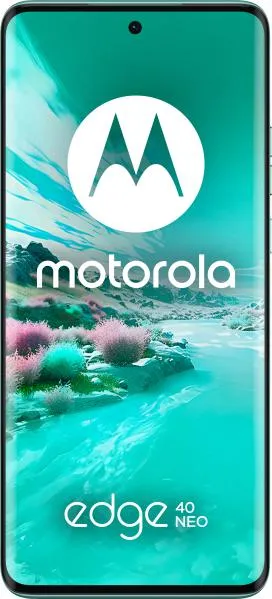
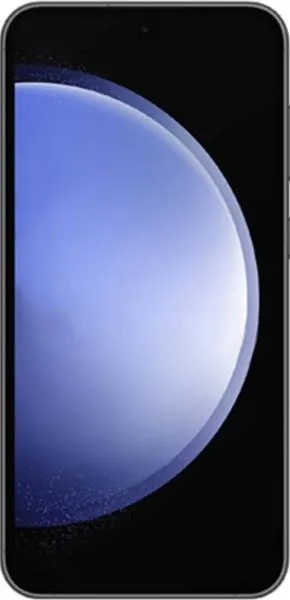
1. Specifications Comparison
| Feature | Motorola Edge 40 Neo | Samsung Galaxy S23 FE | Practical Impact |
|---|---|---|---|
| Design | |||
| Dimensions | 159.6 x 72 x 7.9 mm | 158 x 76.5 x 8.2 mm | The Motorola is slightly taller and thinner, while the Samsung is wider and a bit thicker. The Motorola might feel more comfortable for one-handed use due to its narrower width. |
| Weight | 170g | 209g | The Motorola is significantly lighter, making it more comfortable for extended use and reducing hand fatigue. |
| Build | Not specified | Not specified | Build materials impact durability and premium feel. Lack of information limits comparison. |
| Display | |||
| Display Type | P-OLED | Dynamic AMOLED 2X | Both offer vibrant colors and deep blacks. Samsung's Dynamic AMOLED 2X is known for potentially higher brightness and contrast. |
| Size | 6.55" | 6.4" | Negligible difference in screen real estate. |
| Resolution | 1080 x 2400 | 1080 x 2340 | Virtually identical pixel density, resulting in similar sharpness. |
| Refresh Rate | 144Hz | 120Hz | Motorola offers a smoother scrolling and gaming experience due to the higher refresh rate. |
| Peak Brightness | 1300 nits | 1450 nits | The Samsung should offer better visibility in direct sunlight. |
| Performance | |||
| Chipset | MediaTek Dimensity 7030 (6nm) | Exynos 2200 (4nm) - International | The Exynos 2200, despite being on a smaller node, has a more powerful CPU architecture, potentially leading to better performance in demanding tasks. The real-world performance difference needs further benchmarking analysis as the Exynos 2200 had thermal issues in the past. |
| CPU | Octa-core (2x2.5 GHz Cortex-A78 & 6x2.0 GHz Cortex-A55) | Octa-core (1x2.8 GHz Cortex-X2 & 3x2.50 GHz Cortex-A710 & 4x1.8 GHz Cortex-A510) - International | The Samsung features a more powerful CPU configuration with a faster prime core for demanding tasks. |
| GPU | Mali-G610 MC3 | Xclipse 920 - International | Xclipse 920 has more potential for gaming but real-world performance can vary. Historically, the Xclipse 920 struggled with sustained performance. |
| RAM | 12GB | 8GB | Motorola offers more RAM, enabling better multitasking and smoother performance with multiple apps open. |
| Storage | 256GB | 256GB | Both phones offer the same storage capacity. |
| Camera | |||
| Rear Camera | Not specified | Not specified | Insufficient data to compare camera quality. Megapixel count alone is insufficient for comparison. |
| Video | 4K@30fps, up to 1080p@240fps | 8K@24fps, up to 720p@960fps | The Samsung boasts 8K recording, but practical usage is limited by file size and processing power. Both offer high slow-motion capabilities. |
| Battery | |||
| Capacity | 5000 mAh | 4500 mAh | The Motorola offers a larger battery capacity, potentially translating to longer battery life. Real-world usage will depend on software optimization. |
| Charging | Not specified | Not specified | Charging speed is a crucial factor. Missing information hinders comparison. |
2. Key Differences Analysis
Motorola Edge 40 Neo Advantages:
- Higher Refresh Rate Display: Smoother scrolling and more responsive gaming.
- Larger Battery: Potentially longer battery life.
- More RAM: Better multitasking capabilities.
- Lighter and Narrower: More comfortable for one-handed use.
Samsung Galaxy S23 FE Advantages:
- Brighter Display: Better visibility outdoors.
- More Powerful CPU: Potentially better performance for demanding tasks (needs real-world testing).
- 8K Video Recording: Higher resolution video but with practical limitations.
- Longer Software Support: Samsung typically offers longer OS updates.
3. User Profiles & Recommendations
Motorola Edge 40 Neo: Ideal for users prioritizing smooth display, long battery life, comfortable handling, and value for money. Best for everyday tasks, social media, web browsing, and casual gaming.
Samsung Galaxy S23 FE: Suited for users who value a bright display, potentially higher performance for demanding applications and gaming (pending reviews), and the prestige of a Samsung flagship. Best for power users, mobile photographers (pending camera review), and those who desire longer software updates.
4. Decision Framework
Key Questions for Buyers:
- What is your budget? Both are mid-range but actual pricing might differ.
- What is your primary use case? (Gaming, photography, general use, etc.)
- How important is software update longevity?
Scenario-Based Recommendations:
- Budget-conscious gamer: Motorola Edge 40 Neo (higher refresh rate, larger battery)
- Power user needing future-proofing: Samsung Galaxy S23 FE (potentially stronger performance, longer updates)
- Everyday user prioritizing comfort and battery life: Motorola Edge 40 Neo (lighter, larger battery)
My Choice: Motorola Edge 40 Neo
While the Samsung Galaxy S23 FE boasts a potentially more powerful CPU and a brighter display, the Motorola Edge 40 Neo offers a compelling combination of features at a likely lower price point. The 144Hz refresh rate, larger battery, lighter weight, and more RAM provide tangible benefits in daily use. The narrower width also enhances one-handed usability. The Exynos 2200's history of performance issues gives me pause, and the lack of concrete camera specifications for both phones makes a definitive judgment difficult. For my needs – prioritizing a smooth, responsive experience, long battery life, and comfortable handling – the Motorola Edge 40 Neo seems like the better overall package. However, I would wait for comprehensive reviews and real-world performance comparisons before making a final decision.
