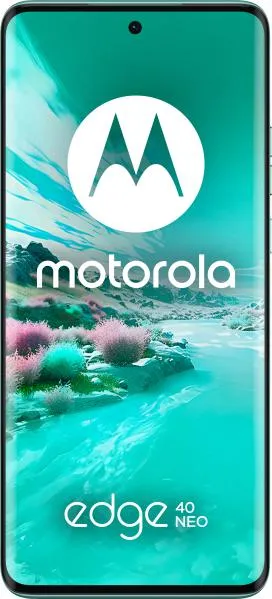

1. Specifications Comparison
| Feature | Motorola Edge 40 Neo | Samsung Galaxy M15 | Practical Impact |
|---|---|---|---|
| Design | |||
| Dimensions (mm) | 159.6 x 72 x 7.9 | 160.1 x 76.8 x 9.3 | The Motorola is noticeably thinner and slightly narrower, making it more pocketable and comfortable for one-handed use. The Samsung is thicker and wider. |
| Weight (g) | 170 | 217 | The Motorola is significantly lighter, reducing hand fatigue during extended use. |
| Fingerprint Sensor | Under Display | Side-mounted | Preference-based, but under-display sensors are generally considered more modern and aesthetically pleasing. |
| Display | |||
| Display Type | P-OLED | Super AMOLED | Both offer vibrant colors and deep blacks. P-OLED might offer slightly better power efficiency. |
| Size (inches) | 6.55 | 6.5 | Negligible size difference in real-world usage. |
| Resolution | 1080 x 2400 | 1080 x 2340 | Virtually identical resolutions, resulting in similar sharpness. |
| Refresh Rate (Hz) | 144 | 90 | The Motorola's 144Hz display provides a significantly smoother and more responsive user experience, especially noticeable in gaming and scrolling. |
| Peak Brightness (nits) | 1300 | Not specified | The Motorola's higher peak brightness ensures better visibility in direct sunlight. The impact of the Samsung's unspecified brightness is unknown. |
| Performance | |||
| Chipset | MediaTek Dimensity 7030 | Mediatek Dimensity 6100+ | Both are mid-range chipsets. The Dimensity 7030 is slightly more powerful overall, potentially offering better performance in demanding tasks and gaming. Benchmark comparisons would provide more clarity. |
| CPU | Octa-core (2x2.5 GHz Cortex-A78 & 6x2.0 GHz Cortex-A55) | Octa-core (2x2.2 GHz Cortex-A76 & 6x2.0 GHz Cortex-A55) | While core configurations differ, the practical performance difference might be minimal. Real-world testing is needed to determine any significant advantages. |
| GPU | Mali-G610 MC3 | Mali-G57 MC2 | The Mali-G610 MC3 in the Motorola is expected to offer better graphics performance for gaming. |
| RAM/Storage | 12GB/256GB | 6GB/128GB | The Motorola offers significantly more RAM and storage. 12GB RAM allows for smoother multitasking and better performance with demanding apps. 256GB storage provides ample space for media and files. |
| Battery | |||
| Capacity (mAh) | 5000 | 6000 | The Samsung offers a larger battery capacity, potentially resulting in longer battery life. However, real-world usage depends on various factors including display brightness, refresh rate, and usage patterns. |
| Camera | |||
| Video Capabilities | Up to 4K@30fps, 1080p@240fps | 1080p@30fps | The Motorola offers significantly better video recording capabilities, including 4K resolution and slow-motion recording up to 240fps. No detailed camera specifications are provided for image quality comparison. |
2. Key Differences Analysis
Motorola Edge 40 Neo Advantages:
- Smoother Display: The 144Hz refresh rate provides a superior user experience.
- Higher Brightness: Better outdoor visibility.
- Slightly Better Performance: More powerful chipset and GPU.
- More RAM and Storage: Improved multitasking and ample space for files.
- Superior Video Recording: 4K resolution and slow-motion capabilities.
- Lighter and Slimmer Design: Enhanced portability and one-handed use.
Samsung Galaxy M15 Advantages:
- Larger Battery: Potentially longer battery life.
- Newer Android Version: Launched with Android 14.
3. User Profiles & Recommendations
Motorola Edge 40 Neo: Ideal for users who prioritize a smooth and responsive display, performance for gaming or demanding apps, ample storage, and better video recording capabilities. Suitable for gamers, content creators, and users who value a premium feel.
Samsung Galaxy M15: Suitable for users who prioritize battery life above all else and prefer a newer Android version out-of-the-box. Good for users with basic needs who primarily use their phone for communication, social media, and light browsing.
4. Decision Framework
Key Questions for Buyers:
- How important is display smoothness and responsiveness?
- What is your primary phone usage (gaming, media consumption, basic communication)?
- How much do you value battery life versus performance and features?
Scenario-Based Recommendations:
- Gamer: Motorola Edge 40 Neo for its higher refresh rate and better performance.
- Power User: Motorola Edge 40 Neo for its RAM, storage, and overall performance.
- Casual User: Either phone could be suitable, but the Samsung Galaxy M15 might be preferred if battery life is the top priority.
My Choice: Motorola Edge 40 Neo
While the Samsung Galaxy M15 boasts a larger battery and newer Android version, the Motorola Edge 40 Neo offers a significantly more compelling package overall. The 144Hz display, superior performance, greater RAM and storage, better video recording, and slimmer design make it a clear winner for me. The smoother display alone dramatically improves daily usage, and I prioritize that over a potentially slightly longer battery life. The significantly larger storage capacity of the Motorola is also crucial for my usage. While battery life is important, I am willing to sacrifice a bit of potential battery life for the superior user experience provided by the Motorola. The lack of specific brightness information for the Samsung also raises concerns.
