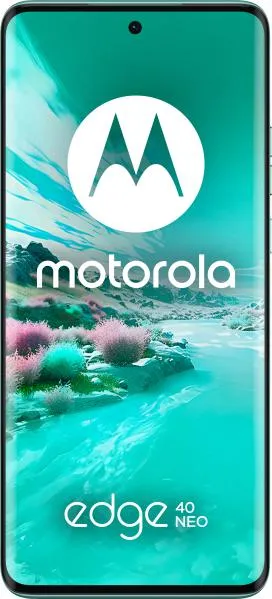
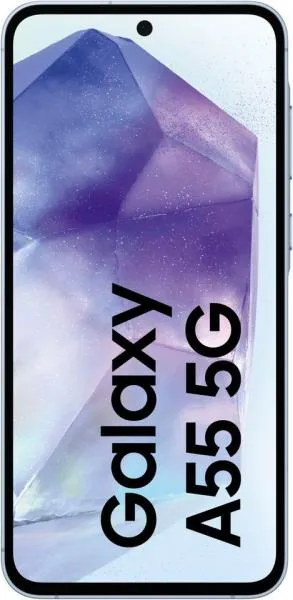
1. Specifications Comparison
| Feature | Motorola Edge 40 Neo | Samsung Galaxy A55 | Practical Impact |
|---|---|---|---|
| Design | |||
| Dimensions | 159.6 x 72 x 7.9 mm | 161.1 x 77.4 x 8.2 mm | The Motorola is noticeably narrower and slightly thinner, making it potentially more comfortable for one-handed use. |
| Weight | 170g | 213g | The Motorola is significantly lighter, reducing hand fatigue during extended use. |
| Display | |||
| Display Type | P-OLED | Super AMOLED | Both offer excellent color accuracy and deep blacks. Subjective preference will determine which looks better. |
| Size | 6.55" | 6.6" | Negligible size difference. |
| Resolution | 1080 x 2400 | 1080 x 2340 | Virtually identical pixel density, resulting in similar sharpness. |
| Refresh Rate | 144Hz | 120Hz | The Motorola's higher refresh rate provides smoother animations and scrolling, especially noticeable in gaming and fast-paced content. |
| Peak Brightness | 1300 nits | Not specified | The Motorola's significantly higher peak brightness ensures better visibility in direct sunlight. The lack of this specification for the Samsung makes a direct comparison impossible. |
| Performance | |||
| Chipset | MediaTek Dimensity 7030 (6nm) | Exynos 1480 (4nm) | The Samsung's 4nm process suggests better power efficiency and potentially higher performance, but real-world performance depends on optimization. |
| CPU | Octa-core (2x2.5 GHz Cortex-A78 & 6x2.0 GHz Cortex-A55) | Octa-core (4x2.75 GHz Cortex-A78 & 4x2.0 GHz Cortex-A55) | The Samsung has higher clocked performance cores, potentially offering better performance in demanding tasks. |
| GPU | Mali-G610 MC3 | Xclipse 530 | Difficult to compare without benchmarks. Both should handle everyday tasks and moderate gaming well. |
| RAM | 12GB | 8GB/12GB | The base Samsung model having less RAM could impact multitasking performance. |
| Camera | |||
| Video Capabilities | Up to 4K@30fps, 1080p@240fps | Up to 4K@30fps, 1080p@60fps | The Motorola offers significantly higher slow-motion video recording capabilities. |
| Other Camera Specs | Not provided | Not provided | Insufficient information for comparison. |
| Battery | |||
| Capacity | 5000 mAh | 5000 mAh | Identical battery capacity suggests similar battery life, but actual usage will depend on software optimization and user habits. |
| Software | |||
| OS | Android 13 | Android 14 | The Samsung ships with a newer Android version, offering potential feature advantages and longer software support. |
| OS Max Version | 15 | 18 | The Samsung will receive longer software updates, crucial for security and new features. |
2. Key Differences Analysis
Motorola Edge 40 Neo Advantages:
- Higher Refresh Rate Display: Smoother user experience.
- Higher Peak Brightness: Better outdoor visibility.
- Lighter and Narrower: Enhanced one-handed usability.
- Superior Slow-Motion Video: More creative video recording options.
Samsung Galaxy A55 Advantages:
- More Powerful CPU: Potentially better performance in demanding tasks.
- More Efficient Chipset (4nm): Potentially better battery life.
- Newer Android Version & Longer Support: Access to latest features and longer security updates.
- RAM Options: Provides flexibility in choosing the right configuration.
3. User Profiles & Recommendations
Motorola Edge 40 Neo: Ideal for users prioritizing a smooth display experience, comfortable one-handed use, and extensive slow-motion video capabilities. Suitable for gamers, social media enthusiasts, and content consumers.
Samsung Galaxy A55: Ideal for users who value long-term software support, potentially better performance for demanding applications, and the latest Android features. Suitable for users who keep their phones for extended periods and prioritize software updates.
4. Decision Framework
Key Questions for Buyers:
- How important is display smoothness and brightness? The Motorola excels in both areas.
- Do you prioritize the latest software and long-term updates? The Samsung offers a clear advantage here.
- Is one-handed usability and a lightweight design a priority? The Motorola is the better choice.
My Choice: Samsung Galaxy A55
While the Motorola Edge 40 Neo offers a compelling display and design, the Samsung Galaxy A55's longer software support, potentially superior performance due to the more powerful CPU and more efficient chipset, and newer Android version make it a more future-proof choice for me. The significantly longer software support outweighs the Motorola's advantages in refresh rate and brightness. While the Motorola is lighter and more comfortable to hold, I prioritize software updates and longevity. The lack of detailed camera specifications makes a complete comparison difficult, but I am willing to bet on Samsung's generally good camera performance. Ultimately, the peace of mind offered by extended software updates and the potential performance advantages of the Samsung make it the preferable option in my opinion.
