1. Specifications Comparison
| Feature | Motorola Edge 40 Neo | Samsung Galaxy A35 | Practical Impact |
|---|---|---|---|
| Design | |||
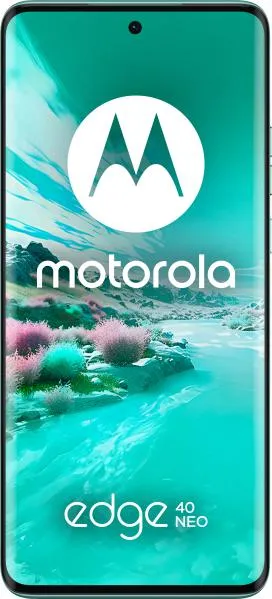
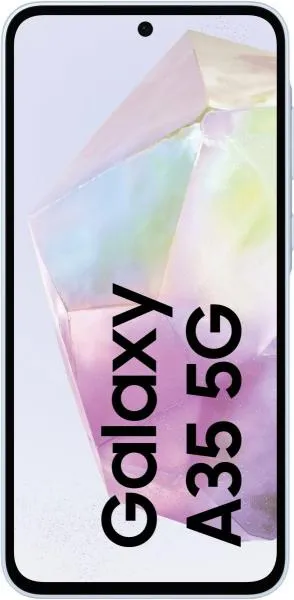
| Dimensions | 159.6 x 72 x 7.9 mm | 161.7 x 78 x 8.2 mm | The Motorola is noticeably narrower and slightly thinner, making it potentially more comfortable for one-handed use. |
| Weight | 170g | 209g | The Motorola is significantly lighter, reducing hand fatigue during extended use. |
| Display | |||
| Size | 6.55" | 6.6" | Negligible difference in screen real estate. |
| Type | P-OLED, 1B colors, 144Hz, HDR10+ | Super AMOLED, 120Hz | Both offer vibrant colors and smooth scrolling. The Motorola's 144Hz refresh rate provides a slightly smoother experience, especially in gaming. HDR10+ on the Motorola offers better dynamic range in supported content. Missing information on HDR capabilities for the Samsung. |
| Peak Brightness | 1300 nits | Not specified | The Motorola's higher peak brightness ensures better visibility in direct sunlight. The practical impact of the Samsung's unspecified brightness is unknown. |
| Resolution | 1080 x 2400 | 1080 x 2340 | Virtually identical pixel density, resulting in similar sharpness. |
| Performance | |||
| Chipset | MediaTek Dimensity 7030 (6nm) | Exynos 1380 (5nm) | The Exynos 1380, being a newer generation chip built on a smaller process node, likely offers better performance and power efficiency. Real-world performance differences would need benchmarking. |
| CPU | Octa-core (2x2.5 GHz Cortex-A78 & 6x2.0 GHz Cortex-A55) | Octa-core (4x2.4 GHz Cortex-A78 & 4x2.0 GHz Cortex-A55) | The Samsung's CPU configuration suggests potentially better multi-core performance due to four high-performance cores. |
| GPU | Mali-G610 MC3 | Mali-G68 MP5 | The Samsung likely has a more powerful GPU, leading to smoother gaming and faster graphics rendering. |
| RAM/Storage | 12GB/256GB | 8GB/128GB or 8GB/256GB | The Motorola offers more RAM in the provided configuration, enabling better multitasking and smoother performance. |
| Camera | |||
| Video Capabilities | 4K@30fps, 1080p up to 240fps | 4K@30fps, 1080p up to 60fps | The Motorola offers significantly higher slow-motion video recording capabilities. Missing detailed camera specifications (sensor size, aperture) for both phones limits a comprehensive comparison. |
| Battery | |||
| Capacity | 5000 mAh | 5000 mAh | Identical battery capacity suggests similar battery life, though actual usage will depend on other factors like display and chipset efficiency. |
| Software | |||
| OS | Android 13 | Android 14 | The Samsung ships with a newer Android version, potentially offering newer features and longer software support. Motorola promises an update to Android 15. |
2. Key Differences Analysis
Motorola Edge 40 Neo Advantages:
- More comfortable handling: Lighter and narrower design.
- Smoother display: 144Hz refresh rate.
- Brighter display: 1300 nits peak brightness.
- More RAM: 12GB in the specified configuration.
- Superior slow-motion video: Up to 240fps.
Samsung Galaxy A35 Advantages:
- Potentially better performance: Newer and more powerful chipset (Exynos 1380).
- Newer OS: Ships with Android 14, with longer OS update commitment.
3. User Profiles & Recommendations
Motorola Edge 40 Neo: Ideal for users prioritizing comfortable one-handed use, a smooth and bright display, and extensive slow-motion video capabilities. Suitable for gamers who value high refresh rates.
Samsung Galaxy A35: Suitable for users who prioritize overall performance and the latest software features. Potentially better for demanding tasks and gaming due to the more powerful chipset and GPU.
4. Decision Framework
Key Questions for Buyers:
- How important is one-handed usability and phone weight?
- Do you prioritize display smoothness and brightness over raw processing power?
- How important are the latest software features and long-term OS updates?
My Choice: Motorola Edge 40 Neo
While the Samsung Galaxy A35 likely offers better raw performance, the Motorola Edge 40 Neo wins out for me due to its significantly lighter and more compact design, smoother 144Hz display, brighter screen for outdoor use, and the greater RAM in the provided configuration. The superior slow-motion video capabilities are a bonus. The trade-off in raw processing power is acceptable to me, as the Dimensity 7030 should still provide a smooth experience for everyday tasks and most games. The commitment to Android 15 updates mitigates the disadvantage of shipping with an older Android version. Ultimately, I value the in-hand feel and daily user experience offered by the Motorola more than the potential performance gains of the Samsung.
