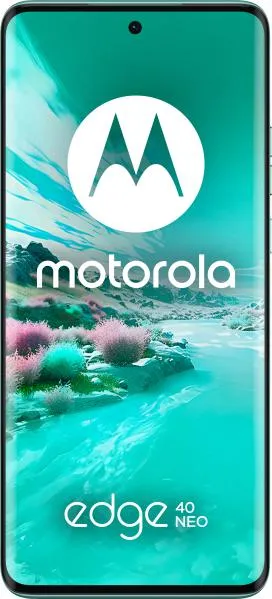
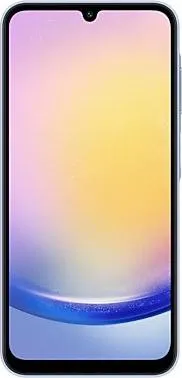
1. Specifications Comparison
| Feature | Motorola Edge 40 Neo | Samsung Galaxy A25 | Practical Impact |
|---|---|---|---|
| Design | |||
| Dimensions | 159.6 x 72 x 7.9 mm | 161 x 76.5 x 8.3 mm | The Motorola is noticeably narrower and slightly thinner, making it potentially more comfortable for one-handed use. |
| Weight | 170g | 197g | The Motorola is significantly lighter, reducing hand fatigue during extended use. |
| Fingerprint Sensor | Under Display | Side-mounted | Under-display sensors are generally considered more modern and aesthetically pleasing, though side-mounted can be faster to access. |
| Display | |||
| Size | 6.55" | 6.5" | Negligible real-world difference in screen size. |
| Type | P-OLED | Super AMOLED | Both offer vibrant colors and deep blacks. P-OLED can offer potential power savings advantages. |
| Refresh Rate | 144Hz | 120Hz | The Motorola's higher refresh rate will result in smoother animations and scrolling, especially noticeable in gaming. |
| Peak Brightness | 1300 nits | 1000 nits (HBM) | The Motorola's significantly higher peak brightness ensures better visibility in direct sunlight. |
| Performance | |||
| Chipset | Dimensity 7030 (6nm) | Exynos 1280 (5nm) | While the Exynos is built on a smaller node (suggesting potential efficiency), real-world performance depends on optimization. |
| CPU | 2x2.5 GHz A78, 6x2.0 GHz A55 | 2x2.4 GHz A78, 6x2.0 GHz A55 | Very similar CPU configurations; performance differences will likely be minimal. |
| GPU | Mali-G610 MC3 | Mali-G68 | The Mali-G68 generally offers better graphical performance than the G610 MC3, potentially impacting gaming performance. |
| RAM | 12GB | 8GB | The Motorola's extra RAM allows for more apps to run in the background without reloading, improving multitasking. |
| Storage | 256GB | 256GB | Both offer ample storage for average users. |
| Camera | |||
| Video Capabilities | Up to 4K@30fps, 1080p@240fps | Up to 4K@30fps | The Motorola offers more versatile slow-motion video recording options. Missing details about specific camera sensors limit analysis. |
| Battery | |||
| Capacity | 5000 mAh | 5000 mAh | Identical battery capacity; real-world battery life will depend on software optimization and usage patterns. |
| Software | |||
| OS | Android 13 | Android 14 | The Galaxy A25 launches with a newer Android version, likely offering more features and longer software support. |
| OS Max Version | 15 | 18 | The Galaxy A25 is projected to receive longer software updates, crucial for security and new features. |
2. Key Differences Analysis
Motorola Edge 40 Neo Advantages:
- Lighter and more compact design: Enhances one-handed usability and reduces fatigue.
- Smoother Display: 144Hz refresh rate provides a more fluid user experience.
- Brighter Display: Better visibility outdoors.
- More RAM: Improved multitasking performance.
- More versatile slow-motion video: Captures smoother and more dramatic slow-motion footage.
Samsung Galaxy A25 Advantages:
- Newer Android Version and Longer Software Support: Ensures access to the latest features and security patches for a longer period.
- Potentially More Powerful GPU: Could offer a better gaming experience.
3. User Profiles & Recommendations
Motorola Edge 40 Neo: Ideal for users who prioritize a smooth and responsive display, a lightweight and compact design, and value for money. Excellent for web browsing, social media, and casual gaming.
Samsung Galaxy A25: Suitable for users who prioritize long-term software updates and potentially a better gaming experience. Good for users who keep their phones for extended periods.
4. Decision Framework
Key Questions:
- How important is software update longevity?
- Do you prioritize a smooth display and lightweight design or potentially better gaming performance?
- What is your budget? (While both are mid-range, actual pricing should be compared).
Scenario-Based Recommendations:
- Gamer on a budget: Lean towards the Galaxy A25 if real-world benchmarks confirm superior gaming performance.
- User who values longevity: The Galaxy A25's longer software support makes it a better long-term investment.
- User prioritizing one-handed use and a fluid display: The Motorola Edge 40 Neo is the clear winner.
My Choice: Motorola Edge 40 Neo
While longer software support is valuable, the Motorola Edge 40 Neo's superior display (higher refresh rate and brightness), lighter and more compact design, and extra RAM outweigh the benefits of the Galaxy A25 for my personal needs. I prioritize daily usability and a fluid user experience, and the Neo excels in these areas. The difference in GPU performance is unlikely to be a significant factor for my usage patterns. Finally, the noticeably lighter weight of the Neo is a significant advantage for comfortable extended use. I am willing to accept the shorter software update cycle for the immediate benefits offered by the Neo.
