1. Specifications Comparison
| Feature | Motorola Edge 40 Neo | Samsung Galaxy A15 5G | Practical Impact |
|---|---|---|---|
| Design | |||
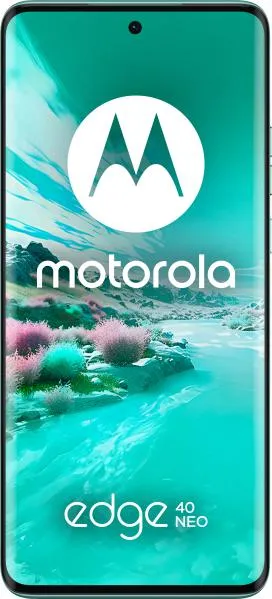
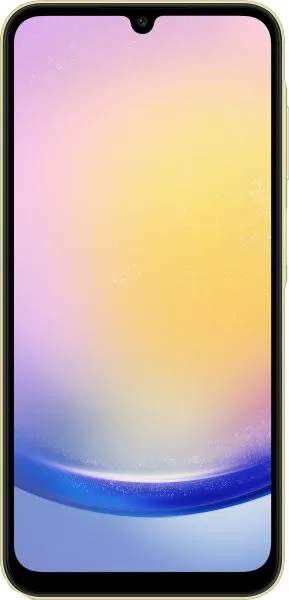
| Dimensions | 159.6 x 72 x 7.9 mm | 160.1 x 76.8 x 8.4 mm | The Edge 40 Neo is noticeably slimmer and slightly shorter. More comfortable for one-handed use and pocketability. |
| Weight | 170g | 200g | The Edge 40 Neo is significantly lighter, reducing hand fatigue during extended use. |
| Fingerprint Sensor | Under-display | Side-mounted | Preference-dependent. Under-display is often perceived as more modern, side-mounted can be more reliable and easier to reach. |
| Display | |||
| Display Type | P-OLED | Super AMOLED | Both offer vibrant colors and deep blacks. P-OLED generally consumes less power. |
| Size | 6.55" | 6.5" | Negligible difference in screen real estate. |
| Resolution | 1080 x 2400 | 1080 x 2340 | Virtually identical pixel density, resulting in similar sharpness. |
| Refresh Rate | 144Hz | 90Hz | The Edge 40 Neo's 144Hz refresh rate provides a significantly smoother and more responsive user experience, especially noticeable in gaming and scrolling. |
| Peak Brightness | 1300 nits | 800 nits (HBM) | The Edge 40 Neo offers much higher peak brightness, ensuring better visibility in direct sunlight. |
| Performance | |||
| Chipset | MediaTek Dimensity 7030 | MediaTek Dimensity 6100+ | The Dimensity 7030 generally offers slightly better performance in benchmarks, but real-world differences might be minimal for average users. |
| CPU | Octa-core (2x2.5 GHz A78 & 6x2.0 GHz A55) | Octa-core (2x2.2 GHz A76 & 6x2.0 GHz A55) | Both offer similar CPU configurations. Slight advantage to Edge 40 Neo in burst performance due to higher clock speed on performance cores. |
| GPU | Mali-G610 MC3 | Mali-G57 MC2 | The Mali-G610 MC3 in the Edge 40 Neo provides a noticeable advantage in graphics performance, beneficial for gaming and demanding applications. |
| RAM/Storage | 12GB/256GB | 6GB/128GB, 8GB/128GB, 8GB/256GB | The Edge 40 Neo offers more RAM in the compared configuration, enabling better multitasking and smoother performance with multiple apps. Larger base storage also a plus. |
| Camera | |||
| Video Capabilities | Up to 4K@30fps, 1080p@240fps | 1080p@30fps | The Edge 40 Neo offers significantly better video recording capabilities, including 4K resolution and slow-motion recording. |
| Battery | |||
| Capacity | 5000 mAh | 5000 mAh | Similar battery capacity. Actual battery life will depend on usage patterns and software optimization. |
2. Key Differences Analysis
Motorola Edge 40 Neo Advantages:
- Superior Display: Higher refresh rate (144Hz) and peak brightness (1300 nits) provide a smoother, more responsive, and more visible display.
- Better Performance: Slightly faster CPU, notably better GPU for gaming and demanding tasks. More RAM in the provided configuration.
- Enhanced Video Recording: 4K recording and slow-motion options.
- Slimmer and Lighter Design: More comfortable for one-handed use and portability.
Samsung Galaxy A15 5G Advantages:
- Potentially Longer Software Support: Launching with Android 14 suggests a longer period of software updates compared to the Edge 40 Neo with Android 13. More RAM/storage configuration options available.
3. User Profiles & Recommendations
Motorola Edge 40 Neo: Ideal for users who prioritize a smooth and responsive display, gaming performance, video recording capabilities, and a slim, lightweight design.
Samsung Galaxy A15 5G: Suitable for users who value software updates and longevity, and who are on a tighter budget seeking different RAM/storage configuration options.
4. Decision Framework
Key Questions for Buyers:
- How important is display quality and smoothness? Prioritize the Edge 40 Neo if a high refresh rate and bright display are crucial.
- What is your typical usage? Gamers and heavy multimedia users will benefit from the Edge 40 Neo's performance. Casual users might find the A15 5G sufficient.
- How much do you value long-term software updates? The A15 5G might offer a longer update cycle.
My Choice: Motorola Edge 40 Neo
While longer software updates are valuable, the Motorola Edge 40 Neo's superior display, performance, and design make it the more compelling device for me. The 144Hz refresh rate and brighter screen significantly enhance daily usage, and the improved GPU is a welcome addition for occasional gaming. The slimmer and lighter form factor is also a major plus for comfort and portability. The differences in chipset performance are likely negligible for my use case, and the Edge 40 Neo's advantages in other areas outweigh the potential for longer software updates on the A15 5G. I also prefer having more base RAM and storage.
