1. Specifications Comparison
| Feature | Motorola Edge 40 Neo | Samsung Galaxy A05 | Practical Impact |
|---|---|---|---|
| Design | |||
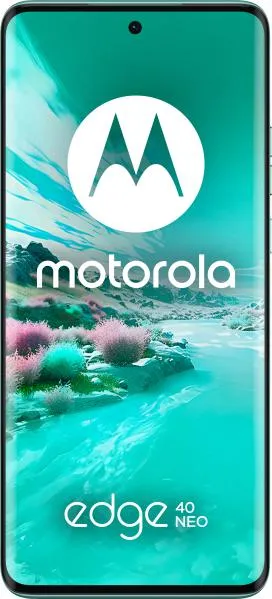
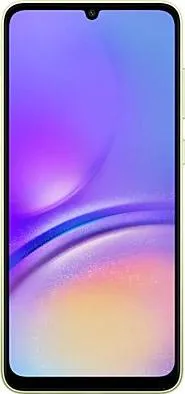
| Dimensions (mm) | 159.6 x 72 x 7.9 | 168.8 x 78.2 x 8.8 | The Motorola is significantly more compact and thinner, making it easier to hold and pocket. |
| Weight (g) | 170 | 195 | The Motorola is noticeably lighter, reducing hand fatigue during extended use. |
| Build Materials | Not specified | Not specified | Cannot compare build quality and durability without more information. |
| Display | |||
| Display Type | P-OLED, 1B colors | PLS LCD | The Motorola's OLED offers richer blacks, more vibrant colors, and better power efficiency. |
| Resolution | 1080 x 2400 | 720 x 1600 | The Motorola has a sharper display, resulting in clearer text and images. |
| Refresh Rate | 144Hz | Not specified | The Motorola's high refresh rate provides smoother scrolling and animations, enhancing the overall feel of responsiveness. |
| Peak Brightness | 1300 nits | Not specified | The Motorola's higher peak brightness ensures better visibility in direct sunlight. We cannot compare without the A05's peak brightness. |
| Performance | |||
| Chipset | MediaTek Dimensity 7030 (6nm) | Mediatek Helio G85 (12nm) | The Motorola's more modern and efficient chipset should deliver significantly better performance and potentially better battery life. |
| CPU | Octa-core (2x2.5 GHz Cortex-A78 & 6x2.0 GHz Cortex-A55) | Octa-core (2x2.0 GHz Cortex-A75 & 6x1.8 GHz Cortex-A55) | The Motorola has faster and more powerful CPU cores, resulting in quicker app loading, smoother multitasking, and better gaming performance. |
| GPU | Mali-G610 MC3 | Mali-G52 MC2 | The Motorola has a more powerful GPU, enabling smoother gaming and handling graphically demanding tasks more efficiently. |
| RAM | 12GB | 4GB/6GB | The Motorola offers significantly more RAM, allowing for more apps to run in the background without performance degradation. |
| Storage | 256GB | 128GB | The Motorola offers double the storage, allowing users to store more photos, videos, and apps. |
| Camera | |||
| Rear Camera | Not specified | Not specified | Cannot compare camera quality without detailed sensor specifications. |
| Video Recording | Up to 4K@30fps with EIS | Up to 1080p@60fps | The Motorola can record higher resolution video (4K) and likely has better stabilization (EIS at higher resolutions). |
| Battery | |||
| Capacity | 5000 mAh | 5000 mAh | Both phones have the same battery capacity, but actual battery life will depend on software optimization and hardware efficiency. The Motorola's more efficient chipset might result in longer battery life. |
| Other | |||
| OS | Android 13 | Android 13 | Both run on Android 13 but may have different custom interfaces and update schedules. Max OS version unknown for Samsung. |
| NFC | Yes | No | The Motorola supports contactless payments and data transfer via NFC, while the Samsung does not. |
2. Key Differences Analysis
Motorola Edge 40 Neo Advantages:
- Superior Display: OLED technology, higher resolution, faster refresh rate, and higher peak brightness contribute to a significantly better visual experience.
- Significantly Better Performance: A more powerful and efficient chipset, more RAM, and a better GPU translate to smoother multitasking, faster app loading, and improved gaming capabilities.
- More Premium Design: Slimmer, lighter, and more compact build.
- NFC Functionality: Enables contactless payments and data transfer.
Samsung Galaxy A05 Advantages:
- Potentially Lower Price: Belongs to a lower price range, making it more budget-friendly.
3. User Profiles & Recommendations
Motorola Edge 40 Neo: Suited for users who prioritize performance, a high-quality display, a premium feel, and features like NFC. Ideal for gaming, media consumption, multitasking, and mobile photography (assuming a decent camera setup).
Samsung Galaxy A05: Best suited for budget-conscious users who primarily need a basic smartphone for calling, texting, and light web browsing. Suitable for users who prioritize affordability over performance and features.
4. Decision Framework
Key Questions for Buyers:
- What is your budget? The A05 is expected to be significantly cheaper.
- What are your performance expectations? For demanding tasks and gaming, the Motorola is vastly superior.
- What features are essential for you? Consider the importance of NFC, display quality, and overall performance.
My Choice: Motorola Edge 40 Neo
The Motorola Edge 40 Neo is the clear winner for me. While the Samsung Galaxy A05 might be more affordable, the Motorola offers significantly better value with its superior display, vastly improved performance, more premium design, and added features like NFC. The difference in user experience would be substantial. Even if the price difference is considerable, the Motorola's advantages in performance, display, and features would make it a much more enjoyable and future-proof device. The A05 only makes sense for the most budget-constrained users who prioritize basic functionality above all else.
