1. Specifications Comparison
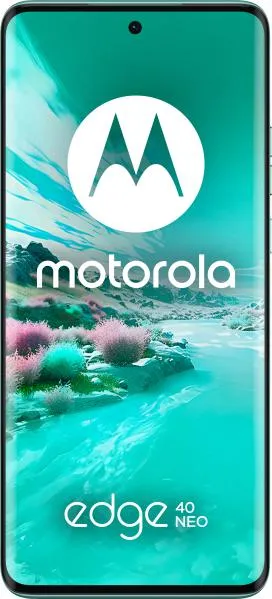
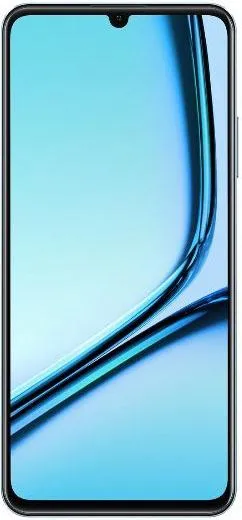
| Feature | Motorola Edge 40 Neo | Realme Note 50 | Practical Impact |
|---|---|---|---|
| Design | |||
| Dimensions | 159.6 x 72 x 7.9 mm | 167.2 x 76.7 x 8 mm | The Motorola is significantly smaller and thinner, making it more pocketable and easier to handle. |
| Weight | 170g | 186g | The Motorola is noticeably lighter, reducing hand fatigue during extended use. |
| Fingerprint Sensor | Under display | Side-mounted | Preference-based, but under-display is often perceived as more modern. |
| Display | |||
| Display Type | P-OLED, 1B colors, HDR10+ | IPS LCD | The Motorola's OLED offers significantly better contrast, deeper blacks, and more vibrant colors. HDR10+ support further enhances visual quality. |
| Size | 6.55" | 6.74" | The Realme has a slightly larger screen, offering more screen real estate for media consumption but contributing to its larger size. |
| Resolution | 1080 x 2400 | 720 x 1600 | The Motorola's display is much sharper and more detailed due to its higher resolution and pixel density (402 vs 260 ppi). |
| Refresh Rate | 144Hz | 90Hz | The Motorola's 144Hz display provides a noticeably smoother and more responsive user experience, particularly in gaming and scrolling. |
| Peak Brightness | 1300 nits | 560 nits | The Motorola's display will be much more visible in bright sunlight. |
| Performance | |||
| Chipset | MediaTek Dimensity 7030 (6nm) | Unisoc Tiger T612 (12nm) | The Motorola's Dimensity 7030 is built on a more advanced process (6nm vs 12nm), suggesting better power efficiency and potentially higher performance. |
| CPU | Octa-core (2x2.5 GHz Cortex-A78 & 6x2.0 GHz Cortex-A55) | Octa-core (2x1.8 GHz Cortex-A75 & 6x1.8 GHz Cortex-A55) | The Motorola has faster prime cores (Cortex-A78 vs A75), leading to better performance in demanding tasks. |
| GPU | Mali-G610 MC3 | Mali-G57 | The Motorola's GPU is more powerful, resulting in smoother gaming and faster graphics rendering. |
| RAM/Storage | 12GB/256GB | 4GB/128GB | The Motorola offers significantly more RAM and storage, enabling smoother multitasking and ample space for apps and files. |
| Camera | |||
| Video Capabilities | 4K@30fps, 1080p up to 240fps with EIS | 1080p@30fps | The Motorola offers superior video recording capabilities, including 4K resolution and higher frame rates with electronic image stabilization (EIS). Details about the Realme's camera capabilities are limited. |
| Battery | |||
| Capacity | 5000 mAh | 5000 mAh | Both phones have the same battery capacity. However, real-world battery life will depend on factors like display, chipset efficiency, and usage patterns. |
| Other | |||
| OS & Updates | Android 13, up to Android 15 | Android 13 | The Motorola offers longer software support, with confirmed updates up to Android 15. Information regarding updates for the Realme is missing. |
| NFC | Yes | No | The Motorola supports NFC for contactless payments and other functionalities. |
2. Key Differences Analysis
Motorola Edge 40 Neo Advantages:
- Superior Display: Significantly better quality (OLED vs LCD), higher resolution, smoother refresh rate, and higher brightness.
- Higher Performance: More powerful processor and GPU, leading to a smoother and more responsive overall experience.
- More RAM and Storage: Enables smoother multitasking and ample space for files.
- Better Video Recording: Offers 4K recording and higher frame rates with EIS.
- Longer Software Support: Confirmed updates up to Android 15.
- NFC: Supports contactless payments.
- More Compact Design: Smaller and lighter for easier one-handed use.
Realme Note 50 Advantages:
- Lower Price: Positioned in the "low price" range, offering greater affordability.
- Larger Display: Provides more screen real estate, although at a lower resolution.
3. User Profiles & Recommendations
Motorola Edge 40 Neo: Suitable for users who prioritize performance, display quality, a smooth user experience, and longer software support. Ideal for gaming, media consumption, and multitasking.
Realme Note 50: Suitable for budget-conscious users who primarily need a large screen for basic tasks like browsing, social media, and communication. Performance limitations may be noticeable for demanding applications or heavy multitasking.
4. Decision Framework
Key Questions:
- What is your budget? The Realme Note 50 is significantly more affordable.
- What are your primary use cases? For demanding tasks, gaming, or media consumption, the Motorola is superior. For basic use, the Realme might suffice.
- How important are display quality and performance? The Motorola excels in these areas.
Scenario-Based Recommendations:
- Tight Budget, Basic Use: Realme Note 50
- Balanced Performance and Price: Motorola Edge 40 Neo
- Prioritize Performance and Display: Motorola Edge 40 Neo
My Choice: Motorola Edge 40 Neo
While the Realme Note 50 offers a lower price point, the Motorola Edge 40 Neo provides significantly more value for the likely price difference. The superior display, performance, longer software support, NFC functionality, and more compact design make it a much more compelling device for a broader range of users. The benefits in daily usage, gaming, and media consumption outweigh the cost savings of the Realme Note 50 for me. The 144Hz refresh rate alone significantly enhances the overall user experience. I also value having ample storage and RAM for smoother multitasking.
