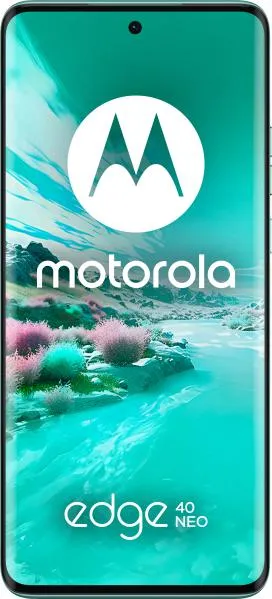
1. Specifications Comparison
| Feature | Motorola Edge 40 Neo | Phone 8 | Practical Impact |
|---|---|---|---|
| Design | |||
| Dimensions | 159.6 x 72 x 7.9 mm | 162 x 75.1 x 8.7 mm | Phone 8 is slightly larger and thicker. May be less comfortable for one-handed use. |
| Weight | 170 g | 191 g | Phone 8 is noticeably heavier. May impact portability and prolonged use comfort. |
| Display | |||
| Size | 6.55" | 6.78" | Phone 8 offers a larger screen for more immersive content consumption. |
| Type | P-OLED, 144Hz | LTPO AMOLED, 120Hz | Both offer vibrant colors and smooth scrolling. LTPO on Phone 8 allows for dynamic refresh rate adjustment, potentially saving battery. |
| Resolution | 1080 x 2400 | 1264 x 2780 | Phone 8 has a sharper display due to higher resolution and pixel density. |
| Peak Brightness | 1300 nits | 6000 nits | Phone 8 offers significantly higher peak brightness, ensuring excellent outdoor visibility. |
| Performance | |||
| Chipset | Dimensity 7030 (6nm) | Snapdragon 7+ Gen 3 (4nm) | Phone 8 boasts a more powerful and efficient processor, resulting in smoother performance, better multitasking, and improved gaming. |
| CPU | Octa-core (2x2.5 GHz Cortex-A78 & 6x2.0 GHz Cortex-A55) | Octa-core (1x2.8 GHz Cortex-X4 & 4x2.6 GHz Cortex-A720 & 3x1.9 GHz Cortex-A520) | Phone 8 has a more powerful CPU architecture, leading to significant performance gains. |
| GPU | Mali-G610 MC3 | Adreno 732 | Phone 8 has a significantly more powerful GPU, resulting in better gaming and graphics performance. |
| RAM | 12GB | 12GB | Both phones offer ample RAM for smooth multitasking. |
| Storage | 256GB | 512GB | Phone 8 offers double the storage capacity. |
| Camera | |||
| Video Capabilities | 4K@30fps (EIS) | 4K@60fps (OIS, EIS) | Phone 8 offers higher resolution video recording with optical image stabilization (OIS) for smoother footage. |
| Battery | |||
| Capacity | 5000 mAh | 5500 mAh | Phone 8 has a slightly larger battery capacity, potentially offering longer battery life. |
2. Key Differences Analysis
Motorola Edge 40 Neo Advantages:
- Lighter and More Compact: Easier to handle and carry.
- Higher Refresh Rate Display: Potentially smoother scrolling and animations, especially noticeable in games. However, it's a P-OLED vs. LTPO AMOLED, so real-world battery impact needs consideration.
- Potentially More Affordable: While not specified, historically Motorola Edge phones have been competitively priced.
Phone 8 Advantages:
- Significantly More Powerful: The Snapdragon 7+ Gen 3 offers a substantial performance advantage for demanding tasks and gaming.
- Sharper and Brighter Display: The higher resolution, pixel density, and peak brightness result in a superior visual experience.
- Larger Storage Capacity: 512GB provides ample space for apps, media, and files.
- Better Video Recording: 4K@60fps with OIS enables capturing high-quality, stable video footage.
- Larger Battery: Potentially longer battery life.
Trade-offs:
- Phone 8's increased performance and features come at the cost of size and weight.
- Motorola Edge 40 Neo's higher refresh rate might offer smoother visuals in some cases, but could impact battery life more than the Phone 8's LTPO display.
3. User Profiles & Recommendations
Motorola Edge 40 Neo: Suitable for users who prioritize a lightweight, compact phone for everyday tasks, web browsing, social media, and casual gaming. Budget-conscious users might find this phone appealing.
Phone 8: Ideal for users who demand top-tier performance for demanding games, multitasking, media consumption, and content creation. The larger storage and superior camera make it suitable for power users and photography enthusiasts.
4. Decision Framework
Key Questions for Buyers:
- What is your budget? The Phone 8 is likely to be more expensive.
- What is your primary use case? Gaming, content creation, or everyday tasks?
- Do you prioritize portability or performance? The Motorola Edge 40 Neo is lighter and more compact, while Phone 8 offers superior performance.
Scenario-Based Recommendations:
- Gamer: Phone 8. The powerful Snapdragon 7+ Gen 3 and Adreno 732 GPU offer a superior gaming experience.
- Photographer/Videographer: Phone 8. The superior camera with OIS and 4K@60fps recording capabilities.
- Casual User: Motorola Edge 40 Neo. Sufficient performance for everyday tasks at potentially a lower price point.
My Choice: Phone 8
While the Motorola Edge 40 Neo offers a compelling combination of features in a lighter package, the Phone 8's significant performance advantage, superior display, larger storage, and better camera make it the clear winner for me. I prioritize a smooth and powerful user experience, and the Snapdragon 7+ Gen 3, coupled with the impressive display and camera capabilities, outweigh the trade-offs in size and weight. The extra storage is also a valuable asset for long-term use. While potentially more expensive, the Phone 8 offers a more future-proof and versatile experience.
