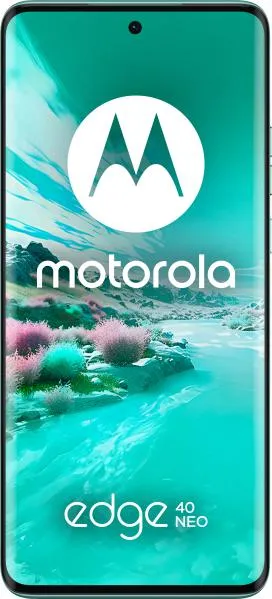

1. Specifications Comparison
| Feature | Motorola Edge 40 Neo | Oppo Reno12 | Practical Impact |
|---|---|---|---|
| Design | |||
| Dimensions | 159.6 x 72 x 7.9 mm | 161.4 x 74.1 x 7.6 mm | The Reno12 is slightly larger and wider, potentially less comfortable for one-handed use. The Neo is slightly thicker. |
| Weight | 170g | 177g | The Neo is noticeably lighter, reducing hand fatigue during extended use. |
| Display | |||
| Display Type | P-OLED | AMOLED | Both offer vibrant colors and deep blacks. Practical differences between P-OLED and AMOLED are often negligible for average users. |
| Size | 6.55" | 6.7" | The Reno12 offers a slightly larger screen for more immersive media consumption. |
| Resolution | 1080 x 2400 | 1080 x 2412 | Virtually identical resolutions; no noticeable difference in sharpness. |
| Refresh Rate | 144Hz | 120Hz | The Neo's higher refresh rate provides smoother scrolling and animations, especially noticeable in gaming and fast-paced UI interactions. |
| Peak Brightness | 1300 nits | 1200 nits | The Neo should be slightly more visible in direct sunlight. |
| Performance | |||
| Chipset | MediaTek Dimensity 7030 (6nm) | MediaTek Dimensity 7300 Energy (4nm) | The Reno12's 4nm process suggests better power efficiency and potentially improved performance. |
| CPU | Octa-core (2x2.5 GHz Cortex-A78 & 6x2.0 GHz Cortex-A55) | Octa-core (4x2.5 GHz Cortex-A78 & 4x2.0 GHz Cortex-A55) | The Reno12 having four performance cores compared to the Neo's two should result in better multi-core performance for demanding tasks. |
| GPU | Mali-G610 MC3 | Mali-G615 MC2 | The Reno12's GPU likely offers improved graphics performance for gaming. |
| RAM | 12GB | 12GB | Identical RAM capacity ensures smooth multitasking on both devices. |
| Storage | 256GB | 512GB | The Reno12 offers double the storage, beneficial for users who store lots of media or install many apps. |
| Camera | |||
| Video Capabilities | 4K@30fps (EIS) up to 1080p@240fps | 4K@30fps (HDR, OIS, EIS) up to 720p@960fps | Reno12 boasts Optical Image Stabilization (OIS) for steadier videos, HDR video recording, and higher slow-motion capabilities (960fps vs 240fps). |
| Missing Specs | Detailed camera sensor specifications (resolution, aperture) are missing for both phones, limiting a comprehensive camera comparison. | Detailed camera sensor specifications (resolution, aperture) are missing for both phones, limiting a comprehensive camera comparison. | Without sensor details, we can't compare low-light performance, image quality, etc. |
| Battery | |||
| Capacity | 5000mAh | 5000mAh | Identical battery capacities suggest similar battery life, though real-world usage will depend on software optimization and individual use patterns. |
2. Key Differences Analysis
Motorola Edge 40 Neo Advantages:
- Higher Refresh Rate Display: Smoother user experience.
- Lighter Weight: More comfortable for extended use.
- Potentially Lower Price: Often the case with slightly older models.
Oppo Reno12 Advantages:
- More Powerful Chipset: Better performance and power efficiency.
- Larger Storage: Accommodates more apps and files.
- Superior Video Recording: OIS for stability and higher slow-motion capabilities.
- More Recent OS: Starts with Android 14 and potentially longer software updates.
3. User Profiles & Recommendations
Motorola Edge 40 Neo: Suitable for users prioritizing a smooth display, lightweight design, and value for money. Ideal for web browsing, social media, casual gaming, and everyday tasks.
Oppo Reno12: Best for users who demand higher performance for demanding games or applications, need ample storage, value high-quality video recording, and desire the latest Android features.
4. Decision Framework
Key Questions for Buyers:
- What is your budget? The Neo likely offers better value if price sensitive.
- What are your primary use cases? Gamers and content creators will appreciate the Reno12's performance and camera.
- How important is software longevity? The Reno12 likely offers longer software updates starting with a newer Android version.
My Choice: Oppo Reno12
While the Motorola Edge 40 Neo offers a compelling combination of smoothness and lightness, the Oppo Reno12's superior performance, larger storage, significantly better video recording capabilities, and newer Android version make it the more compelling choice for me. The slightly larger size and weight are minor trade-offs for the substantial gains in other areas. The 4nm chipset's efficiency and performance advantages, coupled with the longer software support timeframe, position the Reno12 for a longer lifespan as a satisfying daily driver. While missing camera sensor details prevent a full camera assessment, the presence of OIS alone significantly enhances video recording. I prioritize future-proofing and a well-rounded experience, making the Reno12 the preferred option.
