1. Specifications Comparison
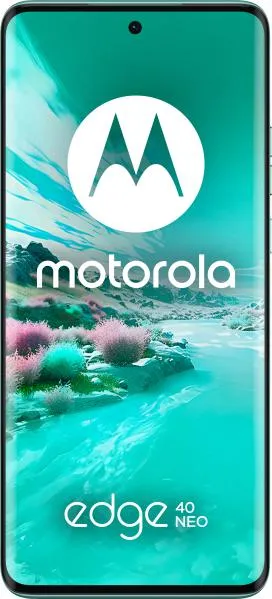
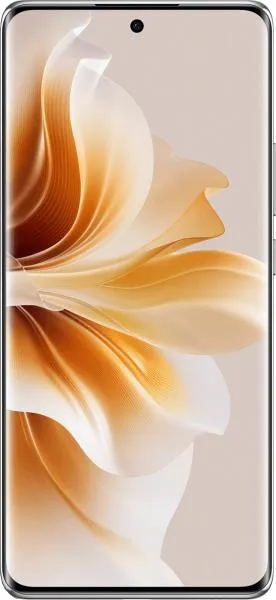
| Feature | Motorola Edge 40 Neo | Oppo Reno11 | Practical Impact |
|---|---|---|---|
| Design | |||
| Dimensions | 159.6 x 72 x 7.9 mm | 162.4 x 74.3 x 7.9 mm | The Motorola is noticeably narrower and slightly shorter, making it more pocketable and easier to use one-handed. |
| Weight | 170g | 182g | The Motorola is lighter, reducing hand fatigue during extended use. |
| Display | |||
| Display Type | P-OLED | AMOLED | Both offer vibrant colors and deep blacks. P-OLED might offer slightly better power efficiency. |
| Size | 6.55" | 6.7" | The Oppo offers a slightly larger screen for more immersive media consumption. |
| Resolution | 1080x2400 | 1080x2412 | Virtually identical resolutions; sharpness will be similar on both. |
| Refresh Rate | 144Hz | 120Hz | The Motorola's higher refresh rate provides smoother animations and scrolling, especially noticeable in gaming and fast-paced UI interactions. |
| Peak Brightness | 1300 nits | 950 nits | The Motorola's significantly higher peak brightness ensures better visibility in direct sunlight. |
| Performance | |||
| Chipset | MediaTek Dimensity 7030 | MediaTek Dimensity 7050 | The Dimensity 7050 offers a slight performance bump over the 7030, potentially resulting in faster app loading and multitasking. The difference is likely to be minimal in everyday use. |
| CPU | Octa-core (2x2.5 GHz Cortex-A78 & 6x2.0 GHz Cortex-A55) | Octa-core (2x2.6 GHz Cortex-A78 & 6x2.0 GHz Cortex-A55) | Slightly faster clock speed on the Reno11's CPU might offer marginal performance improvements in demanding tasks. |
| GPU | Mali-G610 MC3 | Mali-G68 MC4 | The Reno11 has a more powerful GPU, likely leading to better gaming performance and smoother graphics rendering. |
| RAM | 12GB | 12GB | Both offer ample RAM for smooth multitasking. |
| Storage | 256GB | 256GB | Identical storage capacity on both devices. |
| Camera | |||
| Video Capabilities | 4K@30fps, up to 1080p@240fps | 4K@30fps, up to 720p@960fps | Both can record 4K video. The Reno11 offers higher frame rate slow-motion video recording (960fps vs 240fps). |
| Battery | |||
| Capacity | 5000 mAh | 5000 mAh | Identical battery capacities suggest similar battery life, though real-world usage will depend on software optimization and user habits. |
| Software | |||
| OS | Android 13 | Android 14 | The Reno11 ships with a newer Android version, offering potential features and security updates not available on the Motorola. Motorola promises an update to Android 15. |
2. Key Differences Analysis
Motorola Edge 40 Neo Advantages:
- Ergonomics: Smaller and lighter, leading to a more comfortable one-handed experience.
- Higher Refresh Rate Display: Smoother visuals for gaming and general use.
- Brighter Display: Superior outdoor visibility.
Oppo Reno11 Advantages:
- Slightly More Powerful Chipset and GPU: Potentially better performance in demanding tasks and gaming.
- Newer OS: Access to the latest Android features and security updates out of the box.
- Higher Frame Rate Slow-Motion Video: More creative possibilities for video recording.
3. User Profiles & Recommendations
Motorola Edge 40 Neo: Ideal for users who prioritize one-handed usability, a smooth display, and excellent outdoor visibility. Good for everyday tasks, web browsing, social media, and casual gaming.
Oppo Reno11: Suitable for users who prioritize performance for demanding tasks and gaming, the latest Android features, and advanced video recording capabilities.
4. Decision Framework
Key Questions for Buyers:
- How important is one-handed usability and portability?
- Do you prioritize the smoothest possible display or slightly better performance in demanding applications?
- How important is having the latest Android features and updates immediately?
Scenario-Based Recommendations:
- Heavy Gamer: Oppo Reno11 for its more powerful GPU.
- One-Handed User: Motorola Edge 40 Neo for its smaller size and lighter weight.
- Outdoor Enthusiast: Motorola Edge 40 Neo for its brighter display.
My Choice: Motorola Edge 40 Neo
While the Oppo Reno11 offers slightly better performance and a newer Android version out of the box, the Motorola Edge 40 Neo's superior ergonomics, higher refresh rate display, and significantly brighter screen are more compelling to me. I value comfortable one-handed use and a smooth, easily visible display for everyday tasks. The performance difference between the two chipsets is likely to be negligible for my usage patterns, and the Motorola's promised update to Android 15 mitigates the initial OS advantage of the Oppo. The brighter display is a significant advantage for outdoor use. Ultimately, the Motorola offers a better balance of features for my personal needs and preferences.
