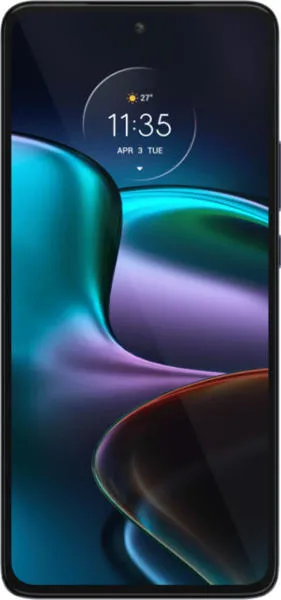
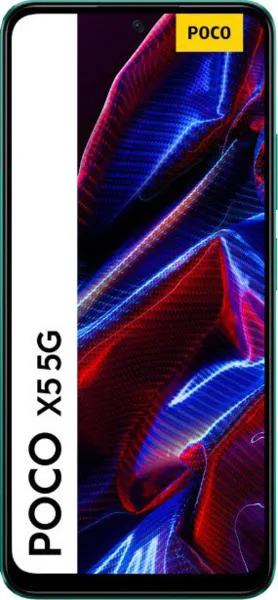
Alright, let's break down the Motorola Edge 30 and Xiaomi Poco X5. I've taken a close look at the specs and will give you the inside scoop on how they stack up for real-world use, just like I would with a friend over coffee.
1. Specifications Breakdown
| Feature | Motorola Edge 30 | Xiaomi Poco X5 | Real-World Implications |
|---|---|---|---|
| Design | |||
| Dimensions | 159.4 x 74.2 x 6.8 mm | 165.9 x 76.2 x 8 mm | Edge 30 is significantly thinner and more compact, ideal for one-handed use. Poco X5 is larger and slightly bulkier. |
| Weight | 155g | 189g | Edge 30 feels noticeably lighter, better for long periods of holding. |
| Display | |||
| Size | 6.5" | 6.67" | Poco X5 offers a slightly larger screen for a more immersive viewing experience. |
| Resolution | 1080 x 2400 | 1080 x 2400 | Both have sharp, clear displays for detailed images and video. |
| PPI | 405 | 395 | Both offer excellent pixel density for crisp visuals. |
| Technology | AMOLED | AMOLED | Vibrant colors and deep blacks on both; great for media consumption. |
| Refresh Rate | 144Hz | 120Hz | Edge 30 offers slightly smoother animations, especially noticeable in gaming and scrolling. |
| Brightness | 0 nits | 1200 nits | Poco X5 is much better for outdoor use due to dramatically higher brightness. |
| Performance | |||
| Chipset | Snapdragon 778G+ | Snapdragon 695 | Edge 30 boasts faster processing, ideal for demanding apps and games. |
| AnTuTu Score | 609,900 | 422,900 | Edge 30 is significantly faster in benchmarks, suggesting better real-world performance. |
| GPU | Adreno 642L | Adreno 619 | Edge 30 has more powerful graphics for gaming and video editing. |
| Camera | |||
| Rear Main Camera | 50MP, f/1.8, 1/1.55" | 48MP, f/1.8 | Edge 30 has a slightly larger sensor and potentially better image quality, especially in low light. |
| Front Camera | 32MP, f/2.25, 1/3.14" | 13MP, f/2.45 | Edge 30 takes far superior selfies with its significantly higher-resolution sensor and wider aperture. |
| Wide Angle Lens | No | 8MP, f/2.2 | Poco X5 offers a wide-angle lens for capturing more in a single shot. |
| Portrait Mode (Depth) | 2MP, f/2.4 | No | Edge 30 can take portrait-mode photos with depth information. |
| Macro Lens | No | 2MP, f/2.4 | Poco X5 provides an extra option for closeup shots. |
| Wide Angle + Macro Lens | 50MP, f/2.2 | No | Edge 30 offers good wide angle and macro capabilities with dedicated sensor. |
| Video Recording | Up to 4K@30fps | 1080p@30fps | Edge 30 records higher resolution videos. |
| Video Stabilization | Yes | No | Edge 30 offers digital and optical stabilization, leading to smoother videos. |
| Battery Life | |||
| Capacity | 4020mAh | 5000mAh | Poco X5 should last longer between charges thanks to a larger battery. |
| Charging | 33W | 33W | Both charge quickly with identical speed. |
| Software | |||
| OS | Android 12 (up to 13) | Android 12 | Edge 30 has a promised update to Android 13 while Poco X5 doesn't have any promised update. |
| Connectivity | |||
| WiFi | WiFi 6 | WiFi 5 | Edge 30 supports newer WiFi standards for faster and more reliable connections. |
| Bluetooth | 5.2 | 5.1 | Edge 30 offers a slightly newer Bluetooth version. |
| Other | |||
| Internal Storage | 128/256 GB | 128/256 GB | Both offer plenty of space for apps, photos, and videos, but neither has expandable storage. |
| RAM | 6/8 GB | 6/8 GB | Sufficient RAM on both devices, providing smooth multitasking. |
| Audio Quality | Dolby Atmos, Stereo | Basic | Edge 30 offers a richer, more immersive audio experience. |
| Fingerprint Sensor | Basic | Side-mounted | Poco X5 has a more convenient side-mounted fingerprint sensor. |
| Screen Protection | Gorilla Glass 3 | Unknown | Edge 30 has better scratch protection on the screen. |
| Sensors | Light, Fingerprint, Proximity, Motion | Fingerprint, Proximity, Motion | Edge 30 has a more comprehensive sensor suite for better functionality. |
2. Key Insights
Motorola Edge 30:
- Strengths: This phone is a powerhouse in a slim package. It excels with a faster processor, higher refresh rate display, and superior camera system (especially the front-facing one). The video capabilities, with 4K recording and effective stabilization, are also a big plus. It also features a richer audio experience.
- Competitive Advantages: The Edge 30 is the clear winner for those who prioritize performance, camera quality (particularly selfies), smoother display, and a more premium audio experience. The design, being thinner and lighter, adds to its overall appeal. The faster Wi-Fi and newer Bluetooth also offer better connectivity.
- Trade-offs: The Edge 30's battery is smaller, meaning you may need to charge more often, and its lower brightness compared to the Poco X5 can be an issue in direct sunlight.
Xiaomi Poco X5:
- Strengths: The Poco X5 shines with its much larger battery and its ability to go much brighter, making it a dependable device for all-day use, especially outdoors. It also includes some handy camera features, such as a dedicated wide-angle and macro lens.
- Competitive Advantages: This is the go-to phone if you need a phone with long-lasting battery life and good screen visibility outdoors. The inclusion of extra camera lenses (wide-angle and macro) also adds versatility.
- Trade-offs: The performance lags behind the Edge 30, and the main and front camera quality and features are not as good. The absence of video stabilization and lower recording capabilities mean less impressive video footage. The audio quality also takes a backseat.
3. User Profiles and Recommendations
Motorola Edge 30 is best for:
- Performance Enthusiasts: Users who need a fast device for gaming, multitasking, and running demanding applications.
- Photography Lovers: Individuals who prioritize high-quality photos, especially selfies and video.
- Media Consumers: Users who appreciate smooth animations, accurate colors, and impressive audio quality for watching videos and listening to music.
- Users who value portability: The lightweight design and slim form factor make it a great choice for those on the go.
Xiaomi Poco X5 is best for:
- Battery-Conscious Users: Individuals who need a phone that lasts all day and beyond without constant charging.
- Outdoor Enthusiasts: Users who often use their phone in bright sunlight and need excellent screen visibility.
- Casual Photographers: Users who want decent photos and need the flexibility of wide-angle and macro lenses.
- Budget-conscious buyers: Those seeking a capable phone with good battery life, while not needing the fastest performance or the best quality camera.
4. Buying Decision Framework
Here are three questions to help you decide:
- How important is performance to you?
- If you need top-tier speed for demanding tasks, the Motorola Edge 30 is the better choice.
- If you’re okay with solid but not outstanding performance, the Xiaomi Poco X5 will be sufficient.
- How important is battery life, especially when out and about?
- If you need all-day power without worrying about charging, the Xiaomi Poco X5 is the clear winner.
- If you’re okay with a smaller battery and are comfortable charging more often, the Motorola Edge 30 is suitable.
- What do you prioritize in your camera?
- If you want the best overall photo and video quality, particularly selfies, the Motorola Edge 30 is better.
- If you are fine with a less sophisticated main camera system and appreciate a wide angle and macro lenses, the Xiaomi Poco X5 is a practical choice.
Scenario-Based Recommendations:
- Scenario 1: The Mobile Gamer - If you're a serious gamer, the Motorola Edge 30's superior chipset, GPU, and 144Hz refresh rate make it the clear winner.
- Scenario 2: The Frequent Traveler - If you need a phone that lasts all day, especially outdoors, the Xiaomi Poco X5's excellent battery life and screen brightness are more suitable.
- Scenario 3: The Selfie Enthusiast - If selfies are a priority, the Motorola Edge 30’s higher-resolution front camera will win you over.
My Choice
If I were making this choice for myself, I would go with the Motorola Edge 30. While the Poco X5 has a larger battery and brighter screen, the Edge 30's overall package is more compelling for my needs. I appreciate a fast, snappy device with a superior camera system (particularly the front-facing camera as I take lots of selfies), and its more premium feel is a nice bonus. The superior video recording capabilities are also important for my content creation needs. I'm happy to charge more often for the boost in performance and quality. The better audio experience seals the deal.
Ultimately, the choice depends on your priorities, but I hope this detailed breakdown helps you make a decision you'll be happy with!
