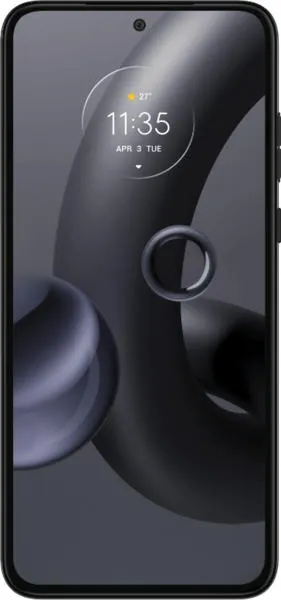

Motorola Edge 30 Neo vs. ZTE nubia Z50S Pro: A Deep Dive for the Discerning Smartphone User
Hello fellow tech explorers! Alex Griffin here, ready to dissect the Motorola Edge 30 Neo and the ZTE nubia Z50S Pro. We'll go beyond the spec sheets to uncover what these devices really offer in terms of daily use. Let's dive in!
1. Specifications Breakdown
| Feature | Motorola Edge 30 Neo | ZTE nubia Z50S Pro | Real-World Implications |
|---|---|---|---|
| Design | |||
| Dimensions (mm) | 152.9 x 71.2 x 7.8 | 163.9 x 76.3 x 8.3 | Neo is significantly more compact, offering better one-handed usability. Z50S Pro might feel bulky for some. |
| Weight (g) | 155 | 228 | Neo is noticeably lighter, reducing hand fatigue during extended use. |
| Display | |||
| Type | P-OLED, 120Hz | AMOLED, 120Hz | Both offer smooth scrolling and animations. AMOLED generally boasts better contrast and color vibrancy. |
| Size (inches) | 6.28 | 6.78 | Z50S Pro provides a larger screen for immersive media consumption, but impacts one-handed use. |
| Resolution (px) | 1080 x 2400 | 1260 x 2800 | Z50S Pro has a slightly sharper display, though the difference might not be noticeable in everyday use. |
| Performance | |||
| Chipset | Snapdragon 695 5G | Snapdragon 8+ Gen 2 | Z50S Pro boasts a flagship-level processor, delivering significantly faster performance for demanding tasks and gaming. |
| RAM (GB) | 8 | 12 | More RAM on the Z50S Pro enables smoother multitasking and better handling of memory-intensive applications. |
| Camera | |||
| Main Camera (MP) | 64 | 50 (Custom Lens) | Z50S Pro utilizes a larger sensor with a wider aperture and custom lens, potentially offering superior low-light performance |
| Ultrawide (MP) | 13 | 50 | Z50S Pro's higher resolution ultrawide offers more detail and versatility. |
| Battery Life | |||
| Capacity (mAh) | 4020 | 5100 | Z50S Pro's significantly larger battery should provide considerably longer usage time on a single charge. |
2. Key Insights
The Motorola Edge 30 Neo shines in its compact and lightweight design. It's a fantastic choice for users prioritizing one-handed usability and portability. While its processor is not a flagship contender, it's more than capable of handling everyday tasks efficiently. The Neo also boasts impressive battery life for its size.
The ZTE nubia Z50S Pro, on the other hand, is a performance powerhouse. Its Snapdragon 8+ Gen 2 chip and ample RAM ensure a blazing-fast experience, especially for demanding applications and gaming. The Z50S Pro also steps up its camera game with a larger sensor and a high-resolution ultrawide lens. The trade-off is a larger and heavier device.
3. User Profiles and Recommendations
Edge 30 Neo: Ideal for users seeking a compact, stylish phone for everyday use, social media, light gaming, and excellent battery life relative to its size.
Z50S Pro: Perfect for power users, mobile gamers, photography enthusiasts, and those who demand top-tier performance and cutting-edge camera technology.
4. Buying Decision Framework
- What is your budget? The Z50S Pro sits in a higher price bracket.
- What size phone do you prefer? Prioritize the Neo for compact comfort, the Z50S Pro for a larger screen.
- What are your performance needs? Choose the Neo for everyday tasks, the Z50S Pro for demanding applications and gaming.
My Choice: ZTE nubia Z50S Pro
While I appreciate the Motorola Edge 30 Neo's compact form factor, I would choose the ZTE nubia Z50S Pro. The significant leap in performance with the Snapdragon 8+ Gen 2, coupled with the impressive camera system (especially that 50MP ultrawide), makes it a compelling package. I often push my phone to its limits with multitasking, photography, and occasional gaming, making the Z50S Pro's raw power and superior camera capabilities more aligned with my needs. The larger battery also alleviates battery anxiety, a crucial factor for me. While the added weight and size are slight drawbacks, the performance and camera gains outweigh them for my usage pattern. Ultimately, the Z50S Pro offers a future-proof experience that justifies the higher price point.
