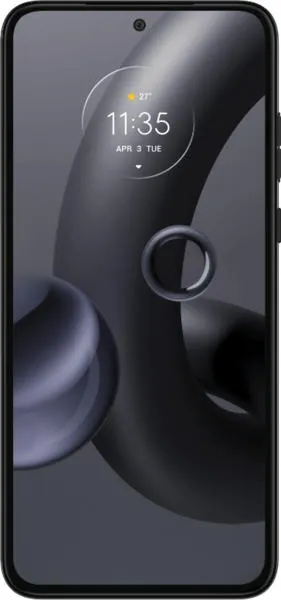
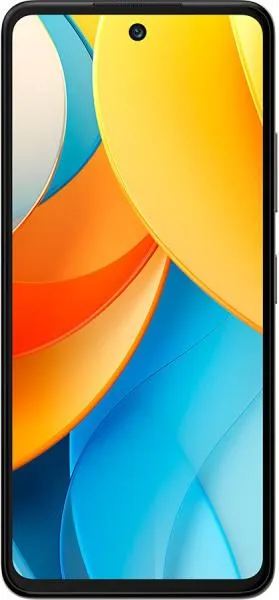
Let's dive into a comparative analysis of the Motorola Edge 30 Neo and the ZTE Blade V60 Design, focusing on how their specifications translate into real-world user experiences.
1. Specifications Breakdown
| Feature | Motorola Edge 30 Neo | ZTE Blade V60 Design | Real-World Implications |
|---|---|---|---|
| Design | |||
| Dimensions (mm) | 152.9 x 71.2 x 7.8 | 164.2 x 75.3 x 8.6 | Edge 30 Neo is significantly more compact and pocketable. Blade V60 Design is larger and might feel bulky for some. |
| Weight (g) | 155 | 198 | Edge 30 Neo is noticeably lighter, contributing to a more comfortable one-handed use. |
| Build Materials | N/A | N/A | Build quality impacts durability and premium feel; this information is missing. |
| Display | |||
| Display Type | P-OLED, 120Hz | IPS LCD, 90Hz | Edge 30 Neo offers deeper blacks, more vibrant colors, and smoother scrolling thanks to P-OLED and the higher refresh rate. |
| Resolution | 1080 x 2400 | 720 x 1612 | Edge 30 Neo boasts sharper text and images due to its higher resolution and pixel density. |
| Size | 6.28" | 6.6" | Blade V60 Design offers a larger screen for media consumption, but sharpness is compromised. Edge 30 Neo strikes a balance between size and clarity. |
| Performance | |||
| Chipset | Snapdragon 695 5G | Unisoc T606 | Edge 30 Neo's Snapdragon chip generally offers better performance and power efficiency, resulting in smoother multitasking and gaming. |
| CPU | Octa-core (2.2 GHz) | Octa-core (1.6 GHz) | Edge 30 Neo has faster clock speeds, leading to quicker app launches and responsiveness. |
| RAM | 8GB | 6GB | Both offer ample RAM for everyday tasks, but Edge 30 Neo's 8GB might provide a slight edge in demanding applications and multitasking. |
| Camera | |||
| Main Camera | 64MP | 50MP | While megapixels aren't everything, Edge 30 Neo has a potential advantage in detail capture. Real-world image quality depends on sensor and processing. |
| Video Recording | 1080p@120fps | 1080p@30fps | Edge 30 Neo offers smoother slow-motion video recording. |
| Battery Life | |||
| Battery Capacity | 4020 mAh | 5000 mAh | Blade V60 Design boasts a significantly larger battery, likely resulting in longer usage time. However, actual battery life depends on usage patterns and optimization. |
2. Key Insights
The Motorola Edge 30 Neo prioritizes a premium display, smoother performance, and a more compact design. Its strengths lie in its vibrant P-OLED screen with a 120Hz refresh rate, the capable Snapdragon 695 processor, and its pocketable form factor.
The ZTE Blade V60 Design, on the other hand, focuses on affordability and long battery life. Its massive 5000 mAh battery is a clear advantage for users who prioritize all-day usage. However, it compromises on display quality and processing power.
3. User Profiles and Recommendations
Edge 30 Neo: Suited for users who value a smooth, responsive experience, vibrant visuals, and a compact design. Ideal for media consumption, moderate gaming, and everyday tasks.
Blade V60 Design: Best for budget-conscious users who prioritize long battery life above all else. Suitable for basic tasks, communication, and light media consumption.
4. Buying Decision Framework
- What is your budget? The Blade V60 Design is significantly cheaper.
- Is display quality a priority? The Edge 30 Neo's P-OLED screen offers a far superior visual experience.
- How important is battery life? If all-day usage without charging is crucial, the Blade V60 Design's larger battery is a compelling factor.
My Choice: I would choose the Motorola Edge 30 Neo. While the ZTE Blade V60 Design offers a tempting battery size and lower price, I prioritize the overall user experience. The Edge 30 Neo's superior display, faster performance, and more pocketable design are significant advantages that, for me, outweigh the Blade V60 Design's strengths. I value a smooth and responsive phone for everyday tasks and media consumption, and I'm willing to compromise a bit on battery life for a better overall package. The Edge 30 Neo's 120Hz OLED display is a major selling point, promising fluid scrolling and vibrant visuals that enhance daily use. Additionally, the Snapdragon 695 provides a noticeable performance boost over the Unisoc T606, ensuring a lag-free experience.
