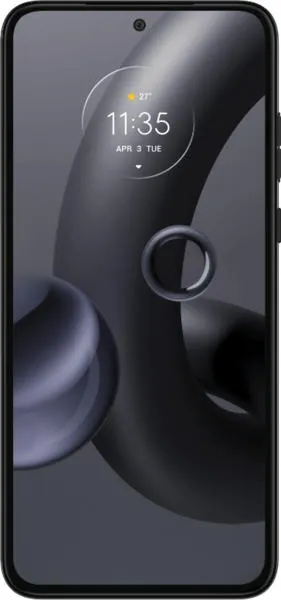
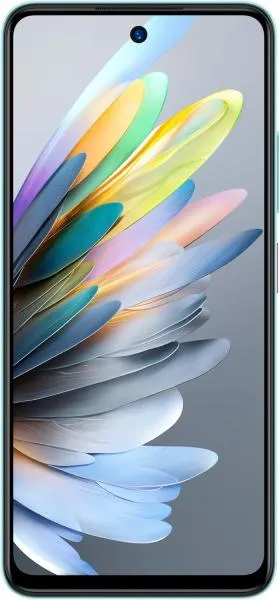
Let's dive into a comparative analysis of the Motorola Edge 30 Neo and the ZTE Blade A75 4G, dissecting their specifications and uncovering what they truly offer users in the real world.
1. Specifications Breakdown
| Feature | Motorola Edge 30 Neo | ZTE Blade A75 4G | Real-World Implications | |
|---|---|---|---|---|
| Design | ||||
| Dimensions (mm) | 152.9 x 71.2 x 7.8 | 164.1 x 75.8 x 8.6 | Edge 30 Neo is significantly more compact and pocketable. | |
| Weight (g) | 155 | 189 | Edge 30 Neo is noticeably lighter, reducing hand fatigue during extended use. | |
| Build Materials | N/A | N/A | Build quality impacts durability and premium feel; information lacking here. | |
| Display | ||||
| Display Type | P-OLED, 120Hz | IPS LCD, 90Hz | Edge 30 Neo offers deeper blacks, more vibrant colors, and smoother scrolling. | |
| Resolution | 1080 x 2400 | 720 x 1612 | Edge 30 Neo boasts sharper visuals and crisper text. | |
| PPI Density | 419 | 267 | Edge 30 Neo delivers noticeably clearer images and text. | |
| Performance | ||||
| Chipset | Snapdragon 695 5G | Unisoc T606 4G | Edge 30 Neo provides significantly better performance and 5G connectivity. | |
| CPU | Octa-core (2.2 GHz) | Octa-core (1.6 GHz) | Edge 30 Neo offers faster processing speeds for smoother multitasking and demanding apps. | |
| RAM | 8GB | 4GB | Edge 30 Neo enables smoother multitasking and handles demanding apps with greater ease. | |
| Camera | ||||
| Main Camera | 64MP | 50MP | Edge 30 Neo likely delivers better low-light performance due to a brighter aperture (f/1.8 vs. f/1.8 in some variants, unclear in the provided data for A75 4G) and larger sensor. More details on sensor size and pixel size would be needed for a definitive comparison. | |
| Selfie Camera | 32MP | 8MP | Edge 30 Neo promises higher-resolution selfies. | |
| Battery Life | ||||
| Capacity | 4020 mAh | 5000 mAh | ZTE Blade A75 4G likely offers longer battery life, but real-world usage varies. | |
| Charging | N/A | N/A | Charging speeds are crucial; this information is missing. |
2. Key Insights
- Performance: The Motorola Edge 30 Neo's Snapdragon 695 significantly outperforms the ZTE Blade A75 4G's Unisoc T606. This translates to smoother gaming, faster app loading, and a more responsive overall experience. The inclusion of 5G in the Edge 30 Neo is a future-proofing advantage.
- Display: The Edge 30 Neo's 120Hz P-OLED display delivers a vastly superior visual experience compared to the A75 4G's 90Hz IPS LCD. Expect richer colors, deeper blacks, and a smoother, more responsive display on the Edge 30 Neo.
- Compactness: The Edge 30 Neo is considerably smaller and lighter, making it more comfortable for one-handed use and pocket portability.
- Battery: While the ZTE Blade A75 4G boasts a larger battery capacity, the Edge 30 Neo’s more efficient processor could potentially offset this difference in real-world usage. Missing charging speed data prevents a complete comparison.
3. User Profiles and Recommendations
- Motorola Edge 30 Neo: Ideal for users who prioritize performance, a premium display, a compact form factor, and 5G connectivity. This phone suits those who engage in mobile gaming, multimedia consumption, and demand a smooth, responsive experience.
- ZTE Blade A75 4G: Best suited for budget-conscious users who primarily use their phones for basic tasks like calling, texting, browsing, and light media consumption. The larger battery might appeal to users who require extended usage without frequent charging.
4. Buying Decision Framework
- What is your budget? The Edge 30 Neo sits in a medium price range, while the A75 4G is a low-price option.
- What are your primary phone usage patterns? For demanding tasks and gaming, the Edge 30 Neo is the clear winner. For basic usage, the A75 4G offers adequate performance at a lower price.
- Do you value a premium display and compact design? If yes, the Edge 30 Neo's P-OLED and sleek form factor will be highly appealing.
My Choice
I would choose the Motorola Edge 30 Neo. While the ZTE Blade A75 4G offers a larger battery and a lower price, the Edge 30 Neo's superior performance, stunning display, and compact design are far more compelling to me. The Snapdragon 695, coupled with the 120Hz P-OLED screen, promises a significantly smoother and more enjoyable user experience. As a tech enthusiast, I prioritize performance and a visually engaging display, making the Edge 30 Neo the clear winner. The addition of 5G ensures the phone remains relevant for longer. While battery life is important, I'm willing to sacrifice some capacity for the overall superior user experience offered by the Edge 30 Neo.
