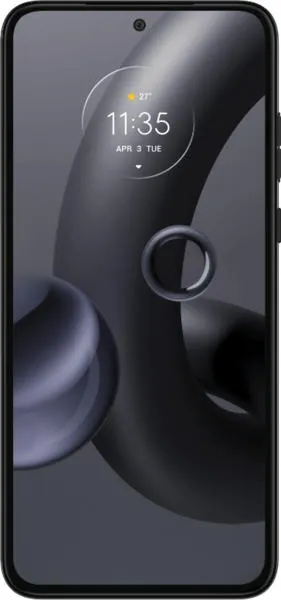

Motorola Edge 30 Neo vs. Xiaomi Redmi Note 13 Pro+: A Detailed Comparison
Let's dive deep into a comparative analysis of the Motorola Edge 30 Neo and the Xiaomi Redmi Note 13 Pro+, dissecting their technical specifications and translating them into real-world implications for you.
1. Specifications Breakdown
| Feature | Motorola Edge 30 Neo | Xiaomi Redmi Note 13 Pro+ | Real-World Implications |
|---|---|---|---|
| Design | |||
| Dimensions (mm) | 152.9 x 71.2 x 7.8 | 161.4 x 74.2 x 8.9 | Neo is significantly more compact and pocketable. Pro+ is larger, potentially less comfortable to hold. |
| Weight (g) | 155 | 199 | Neo is noticeably lighter, reducing hand fatigue. |
| Display | |||
| Type | P-OLED, 120Hz | AMOLED, 120Hz | Both offer smooth scrolling and animations. Pro+ boasts potentially better colors and higher brightness with AMOLED and Dolby Vision. |
| Size | 6.28" | 6.67" | Pro+ provides more screen real estate for media consumption. Neo is better for one-handed use. |
| Resolution | 1080 x 2400 | 1220 x 2712 | Pro+ has a sharper display. |
| Performance | |||
| Chipset | Snapdragon 695 5G | Dimensity 7200 Ultra | Pro+ has a significantly more powerful processor, leading to faster app loading and smoother multitasking. |
| CPU | Octa-core (2.2 GHz) | Octa-core (2.8 GHz) | Pro+'s higher clock speed translates to improved performance in demanding tasks. |
| GPU | Adreno 619 | Mali-G610 MC4 | Pro+ likely offers better gaming performance. |
| RAM | 8GB | 8/12/16GB | Pro+ offers configurations with more RAM for enhanced multitasking. |
| Camera | |||
| Main Camera | 64MP | 200MP | Pro+ boasts a much higher resolution main sensor, potentially capturing more detail. |
| Video Recording | 1080p@120fps | 4K@30fps | Pro+ offers higher resolution video recording. Neo provides smoother slow-motion capture. |
| Battery Life | |||
| Capacity | 4020 mAh | 5000 mAh | Pro+ likely offers longer battery life due to its larger capacity. |
2. Key Insights
- Performance: The Redmi Note 13 Pro+ is the clear winner in terms of raw performance, thanks to its more powerful Dimensity 7200 Ultra chipset and higher RAM options. This will be noticeable in demanding tasks like gaming and heavy multitasking.
- Display: While both phones offer 120Hz refresh rates for smooth visuals, the Pro+'s AMOLED display with Dolby Vision and HDR10+ support likely delivers richer colors, deeper blacks, and higher brightness compared to the Neo's P-OLED. The Pro+'s larger screen size is also advantageous for media consumption.
- Camera: The Pro+'s 200MP main camera sensor dwarfs the Neo's 64MP offering on paper. While megapixel count isn't everything, it suggests the Pro+ has the potential to capture more detail, especially in well-lit conditions. The Pro+ also boasts 4K video recording.
- Portability: The Edge 30 Neo shines in portability. Its smaller dimensions and lighter weight make it significantly more comfortable for one-handed use and pocket carry.
3. User Profiles and Recommendations
- Motorola Edge 30 Neo: Ideal for users prioritizing a compact and lightweight phone with good battery life and a smooth display. Excellent for one-handed use and those who value portability over raw power.
- Xiaomi Redmi Note 13 Pro+: Best suited for power users who demand top-tier performance for gaming, multitasking, and media consumption. The larger display and higher-resolution camera are also significant advantages for content creators and consumers.
4. Buying Decision Framework
- What is your budget? Both fall in the mid-range, but the Pro+ might be slightly more expensive depending on the configuration.
- Do you prioritize performance or portability? The Pro+ excels in performance, while the Neo is the champion of portability.
- How important is camera quality and a large screen? The Pro+ significantly outperforms the Neo in both areas.
Scenario-Based Recommendations:
- Heavy gamer or content creator: Redmi Note 13 Pro+
- On-the-go professional needing a reliable phone: Edge 30 Neo if portability is key, Pro+ if performance for multitasking is paramount.
- Casual user prioritizing social media and browsing: Either phone would suffice, but the Neo's compact form factor might be more appealing for everyday use.
My Choice: Xiaomi Redmi Note 13 Pro+
While I appreciate the Motorola Edge 30 Neo's compact design and ease of use, I would choose the Xiaomi Redmi Note 13 Pro+. The significant jump in performance with the Dimensity 7200 Ultra, coupled with the superior camera system, larger and more vibrant AMOLED display, and larger battery, makes it the more compelling device for my needs. As a tech journalist, I often push my phone to its limits with multitasking, media editing, and content creation, making the Pro+'s robust capabilities more aligned with my workflow. While I might miss the Neo's pocketability, the performance gains and enhanced features of the Pro+ are more valuable to me in the long run.
