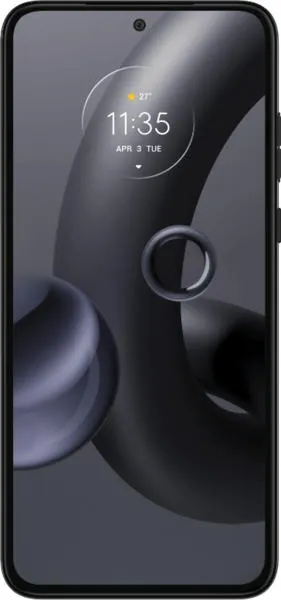
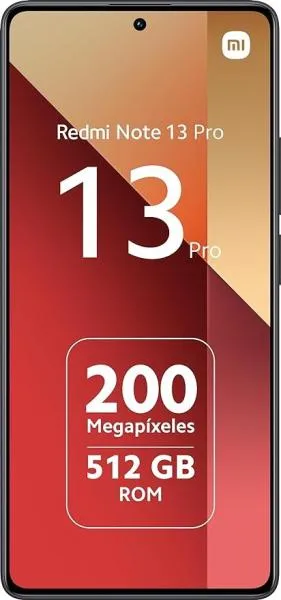
Motorola Edge 30 Neo vs. Xiaomi Redmi Note 13 Pro 4G: A Detailed Comparison
Let's dive deep into a comparative analysis of the Motorola Edge 30 Neo and the Xiaomi Redmi Note 13 Pro 4G, dissecting their technical specifications and translating them into real-world implications for you.
1. Specifications Breakdown
| Feature | Motorola Edge 30 Neo | Xiaomi Redmi Note 13 Pro 4G | Real-World Implications |
|---|---|---|---|
| Design | |||
| Dimensions (mm) | 152.9 x 71.2 x 7.8 | 161.1 x 75 x 8 | Edge 30 Neo is noticeably more compact and pocketable. Redmi Note 13 Pro offers a larger canvas. |
| Weight (g) | 155 | 188 | Edge 30 Neo is significantly lighter, reducing hand fatigue during extended use. |
| Display | |||
| Type | P-OLED, 120Hz | AMOLED, 120Hz | Both offer smooth scrolling and animations. AMOLED generally delivers deeper blacks and higher contrast. |
| Size (inches) | 6.28 | 6.67 | Redmi Note 13 Pro provides a larger screen for media consumption and multitasking. |
| Resolution (px) | 1080 x 2400 | 1080 x 2400 | Identical resolution, but the Edge 30 Neo has slightly higher pixel density due to smaller size. |
| Peak Brightness | N/A | 1300 nits | Redmi Note 13 Pro offers superior outdoor visibility in bright sunlight. |
| Performance | |||
| Chipset | Snapdragon 695 5G | MediaTek Helio G99 Ultra | Both are mid-range chipsets. Real-world performance differences will likely be subtle. |
| CPU | Octa-core (2x2.2 GHz & 6x1.7 GHz) | Octa-core (2x2.2 GHz & 6x2.0 GHz) | Comparable CPU performance, but benchmarks and specific tasks will reveal nuanced differences. |
| GPU | Adreno 619 | Mali-G57 MC2 | Gaming performance likely favors the Adreno 619, though both are suited for casual gaming. |
| RAM (GB) | 8 | 8/12 | Redmi Note 13 Pro offers a 12GB RAM option for enhanced multitasking. |
| Camera | |||
| Main Camera (MP) | 64 | 200 | Redmi Note 13 Pro boasts a significantly higher resolution main sensor, potentially capturing more detail. |
| Ultrawide (MP) | 13 | 8 | Edge 30 Neo offers a higher resolution ultrawide lens. |
| Selfie Camera (MP) | 32 | 16 | Edge 30 Neo has a higher resolution front-facing camera for sharper selfies. |
| Battery Life | |||
| Capacity (mAh) | 4020 | 5000 | Redmi Note 13 Pro likely offers significantly longer battery life. |
2. Key Insights
- Size and Portability: The Edge 30 Neo prioritizes compact design and lightweight portability. The Redmi Note 13 Pro is larger and heavier, catering to users who prefer a larger screen and don't mind the added bulk.
- Display Quality: Both phones offer smooth 120Hz refresh rates, but the Redmi Note 13 Pro's AMOLED display and higher peak brightness deliver a superior visual experience, especially outdoors.
- Performance: While both phones employ mid-range processors, the Snapdragon 695 in the Edge 30 Neo might offer a slight edge in GPU performance for gaming. The Redmi Note 13 Pro counters with a 12GB RAM option for power users.
- Camera Prowess: The Redmi Note 13 Pro's 200MP main camera sensor is the highlight, potentially delivering exceptional detail and low-light performance. However, the Edge 30 Neo holds its own with higher-resolution ultrawide and selfie cameras.
- Battery Endurance: The Redmi Note 13 Pro's 5000mAh battery significantly outpaces the Edge 30 Neo's 4020mAh battery, promising longer usage between charges.
3. User Profiles and Recommendations
- Edge 30 Neo: Ideal for users who value a compact, lightweight phone with smooth performance and a vibrant display. Its strong suit is portability and ease of one-handed use.
- Redmi Note 13 Pro 4G: Best suited for users who prioritize a large screen, long battery life, and a high-resolution camera. This phone excels in media consumption, multitasking, and capturing detailed photos.
4. Buying Decision Framework
- What's your priority: portability or screen size? If portability is key, the Edge 30 Neo is the winner. If you crave a larger display, the Redmi Note 13 Pro is the better choice.
- How important is battery life? For heavy users who need all-day battery life, the Redmi Note 13 Pro is the clear winner.
- What's your budget? Considering prices can vary, compare the current prices for the specific RAM and storage configurations you need.
My Choice: I would choose the Xiaomi Redmi Note 13 Pro 4G. While I appreciate the Edge 30 Neo's compact form factor, the Redmi Note 13 Pro's combination of a larger, brighter AMOLED display, significantly longer battery life, and a high-resolution 200MP camera outweighs the portability advantage for me. The potential for detailed photography and all-day battery life are crucial factors in my daily workflow. The availability of a 12GB RAM option also future-proofs the device for demanding tasks and ensures smooth multitasking.
