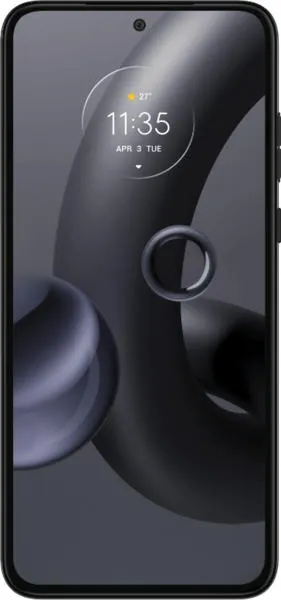
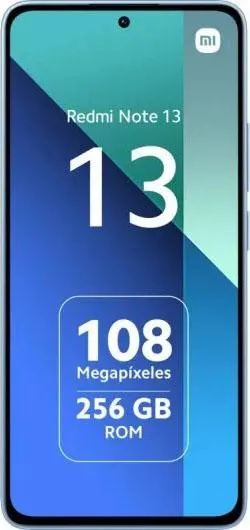
Motorola Edge 30 Neo vs. Xiaomi Redmi Note 13 4G: A Deep Dive
Hello fellow tech explorers! Today, we're dissecting two intriguing mid-range contenders: the Motorola Edge 30 Neo and the Xiaomi Redmi Note 13 4G. Let's cut through the marketing jargon and uncover what these phones truly offer in terms of real-world performance.
1. Specifications Breakdown
| Feature | Motorola Edge 30 Neo | Xiaomi Redmi Note 13 4G | Real-World Implications |
|---|---|---|---|
| Design | |||
| Dimensions (mm) | 152.9 x 71.2 x 7.8 | 162.3 x 75.6 x 8.0 | Edge 30 Neo is noticeably more compact and pocketable. Redmi Note 13 4G is larger, potentially less wieldy. |
| Weight (g) | 155 | 188.5 | Edge 30 Neo feels significantly lighter in hand, reducing fatigue during extended use. |
| Display | |||
| Type | P-OLED, 120Hz | AMOLED, 120Hz | Both offer vibrant colors and smooth scrolling. P-OLED generally consumes less power. |
| Size | 6.28" | 6.67" | Redmi Note 13 4G provides a larger screen for media consumption, but may feel oversized for some. |
| Resolution | 1080 x 2400 | 1080 x 2400 | Both offer sharp visuals; difference in pixel density is negligible due to size difference. |
| Performance | |||
| Chipset | Snapdragon 695 5G | Snapdragon 685 4G | Edge 30 Neo boasts 5G connectivity for faster data speeds and future-proofing. Redmi Note 13 4G is 4G only. |
| CPU | Octa-core (2.2 GHz) | Octa-core (2.8 GHz) | Redmi Note 13 4G has a slightly faster CPU, potentially offering better multi-tasking performance. |
| GPU | Adreno 619 | Adreno 610 | Edge 30 Neo likely has a slight edge in graphics performance, though both are geared towards efficiency. |
| RAM | 8GB | 8GB | Both offer ample RAM for smooth multitasking and app switching. |
| Camera | |||
| Main Camera | 64MP | 108MP | Redmi Note 13 4G boasts higher resolution, potentially capturing more detail. Actual image quality depends on processing and other factors. |
| Battery Life | |||
| Capacity | 4020 mAh | 5000 mAh | Redmi Note 13 4G offers a significantly larger battery, likely translating to longer usage time. |
2. Key Insights
The Motorola Edge 30 Neo shines with its compact design, 5G connectivity, and vibrant P-OLED display. It's ideal for users prioritizing portability and future-proof networking. The Xiaomi Redmi Note 13 4G, on the other hand, excels in battery life and raw camera resolution. Its larger display caters to media enthusiasts.
3. User Profiles and Recommendations
Edge 30 Neo: Urban dwellers, frequent travelers, and those seeking a stylish, pocketable device with 5G. Redmi Note 13 4G: Heavy media consumers, gamers (casual), and users prioritizing long battery life.
4. Buying Decision Framework
- Is 5G essential for you now or in the near future? If yes, the Edge 30 Neo is the clear choice.
- Do you prioritize a compact, lightweight design or a larger display and longer battery life? This will largely dictate your preference.
- What is your budget? While both are mid-range, compare prices in your region to factor in the value proposition.
My Choice: I'd personally lean towards the Motorola Edge 30 Neo. While the Redmi Note 13 4G offers tempting features like a larger battery and higher resolution camera, I value the compact form factor, lighter weight, and the future-proofing that 5G provides. The slightly faster CPU of the Redmi Note 13 4G wouldn't offset the advantages of 5G and portability for my usage. Ultimately, your choice should reflect your individual needs and priorities.
